
Title
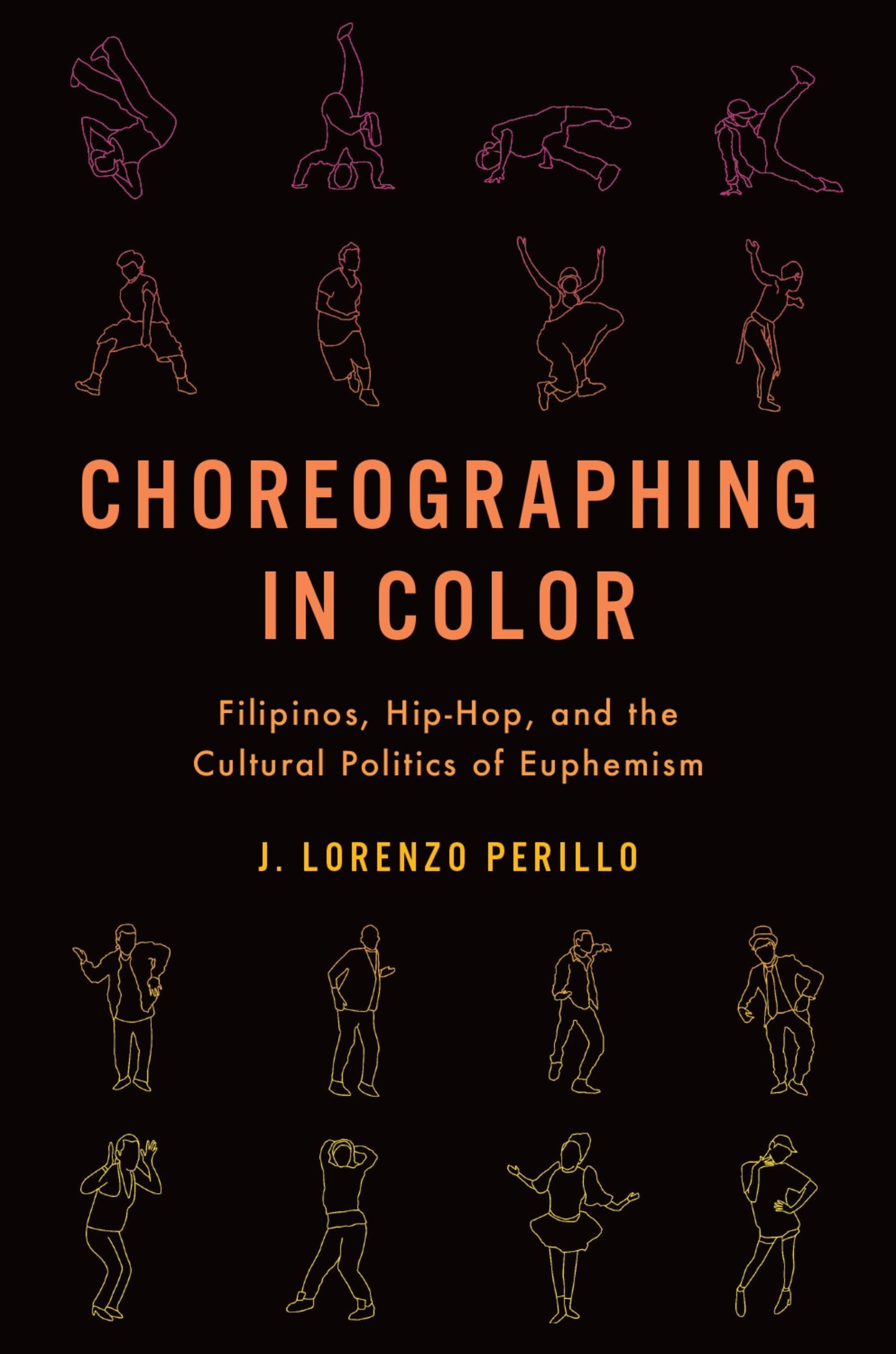
Choreographing in Color: Filipinos, HipHop, and the Cultural Politics of Euphemism,Used
Sold by Ergodebooks, an authorized reseller.
Returns accepted within 30 days | support@ergodebooks.com
Shipping Information
- Free Standard Shipping — United States only
- Processing Time: 3–5 business days
- Estimated Delivery: 6–10 business days after dispatch
- Double-boxed, fully insured & discreetly packaged
- Tracking number sent via email once dispatched
Returns & Refund
Returns accepted within 30 days of delivery.
Damaged or Defective Item
Free return shipping + replacement or full refund
Wrong Item Received
Free return shipping + replacement or full refund
Change of Mind
Return shipping at customer's expense · 25% restocking fee applies
Payment Option

In Choreographing in Color , J. Lorenzo Perillo investigates the development of Filipino popular dance and performance since the late 20th century. Drawing from nearly two decades of ethnography, choreographic analysis, and community engagement with artists, choreographers, and organizers, Perillo shifts attention away from the predominant Philippine neoliberal and U.S. imperialist emphasis on Filipinos as superb mimics, heroic migrants, model minorities, subservient wives, and natural dancers and instead asks: what does it mean for Filipinos to navigate the violent forces of empire and neoliberalism with street dance and HipHop?Employing critical race, feminist, and performance studies, Perillo analyzes the conditions of possibility that gave rise to Filipino dance phenomena across viral, migrant, theatrical, competitive, and diplomatic performance in the Philippines and diaspora. Advocating for serious engagements with the dancing body, Perillo rethinks a staple of HipHop's regulation, the 'euphemism,' as a mode of social critique for understanding how folks have engaged with both racial histories of colonialism and gendered labor migration. Figures of euphemism the zombie, hero, robot, and judge constitute a way of seeing Filipino HipHop as contiguous with a multiracial repertoire of imperial crossing, thus uncovering the ways Black dance intersects Filipino racialization and reframing the ongoing, contested underdog relationship between Filipinos and U.S. global power. Choreographing in Color therefore reveals how the Filipino dancing body has come to be, paradoxically, both globally recognized and indiscernible.
⚠️ WARNING (California Proposition 65):
This product may contain chemicals known to the State of California to cause cancer, birth defects, or other reproductive harm.
For more information, please visit www.P65Warnings.ca.gov.