
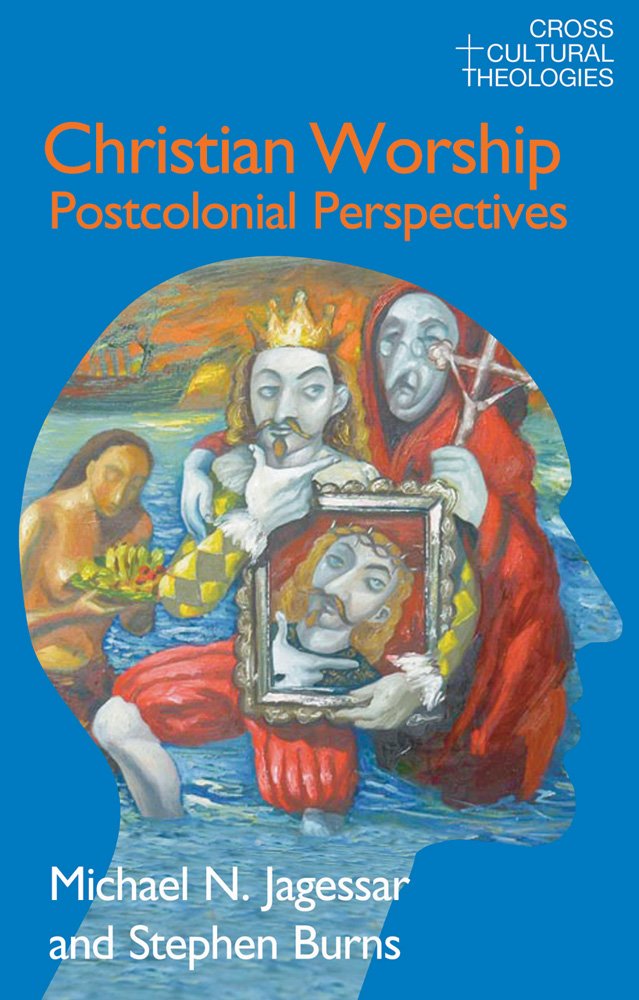
Title
Christian Worship (Cross Cultural Theologies)
Sold by Ergodebooks, an authorized reseller.
Returns accepted within 30 days | support@ergodebooks.com
Shipping Information
- Free Standard Shipping — United States only
- Processing Time: 3–5 business days
- Estimated Delivery: 6–10 business days after dispatch
- Double-boxed, fully insured & discreetly packaged
- Tracking number sent via email once dispatched
Returns & Refund
Returns accepted within 30 days of delivery.
Damaged or Defective Item
Free return shipping + replacement or full refund
Wrong Item Received
Free return shipping + replacement or full refund
Change of Mind
Return shipping at customer's expense · 25% restocking fee applies
Payment Option

Postcolonialism Has Greatly Influenced Biblical And Theological Criticism But Has Not Yet Entered The Realm Of Church Worship And Practice. 'Christian Worship' Brings The Insights Of Postcolonial Thinking To The Rituals Of Religious Life. The Book Critically Analyses Liturgical Theology Through The Lens Of Postcolonialism And Explores The Challenges Of Appropriating Postcolonial Perspectives In Christian Worship. Ranging From Liturgical Texts And Song To Scripture, Lectionaries, Festivals And Sacraments, This Volume Offers A Fresh Approach To Liturgy That Will Be Of Interest To Students Of Theology, Seminarians And Church Practitioners.
⚠️ WARNING (California Proposition 65):
This product may contain chemicals known to the State of California to cause cancer, birth defects, or other reproductive harm.
For more information, please visit www.P65Warnings.ca.gov.
- Q: What is the page count of 'Christian Worship'? A: The book has one hundred eighty-six pages. This length provides a comprehensive exploration of postcolonial perspectives in Christian worship.
- Q: What are the dimensions of the book? A: The book measures five point five one inches in length, zero point four three inches in width, and eight point five inches in height. These dimensions make it a manageable size for reading.
- Q: What type of binding does this book have? A: This book is a paperback edition. Paperback bindings are typically flexible and lightweight, making them easy to carry.
- Q: Who is the author of 'Christian Worship'? A: The author is Michael N. Jagessar. He brings valuable insights into the discussion of postcolonialism in Christian liturgy.
- Q: What is the main focus of 'Christian Worship'? A: The book critically analyzes liturgical theology through the lens of postcolonialism. It aims to apply postcolonial insights to church worship practices.
- Q: Is 'Christian Worship' suitable for students? A: Yes, it is suitable for students of theology. The book is designed to engage seminarians and church practitioners in critical discussions.
- Q: How can I apply the insights from this book in my church practice? A: You can apply the insights by integrating postcolonial perspectives into your worship rituals and liturgical practices. This encourages a more inclusive approach to worship.
- Q: Is this book appropriate for beginners in theology? A: Yes, it is appropriate for beginners. The insights are presented in a way that is accessible to those new to the study of theology.
- Q: What challenges does the book address regarding worship? A: The book explores the challenges of appropriating postcolonial perspectives in worship. It critically examines how these perspectives can reshape traditional practices.
- Q: How should I care for this paperback book? A: Store it in a cool, dry place to prevent damage. Avoid exposing it to direct sunlight for extended periods to maintain its condition.
- Q: Can I return the book if I am not satisfied? A: Yes, you can return the book according to the seller's return policy. Always check the specific terms for returns before purchasing.
- Q: What if the book arrives damaged? A: If the book arrives damaged, contact customer service immediately for a replacement or refund. Keep all packaging materials for reference.
- Q: Is there a warranty for this book? A: No, books typically do not come with a warranty. However, you can check the seller's policy for any guarantees on condition.
- Q: Does this book contain any adult content? A: No, the book does not contain adult content. It is focused on theological discussions suitable for a general audience.
- Q: How can I connect with others interested in this book's topics? A: You can join online forums or social media groups focusing on postcolonial theology. Engaging in discussions can enhance your understanding.
- Q: What genre does 'Christian Worship' belong to? A: The book belongs to the genre of Criticism and Theory. It addresses theological criticism through a postcolonial lens.