
Title
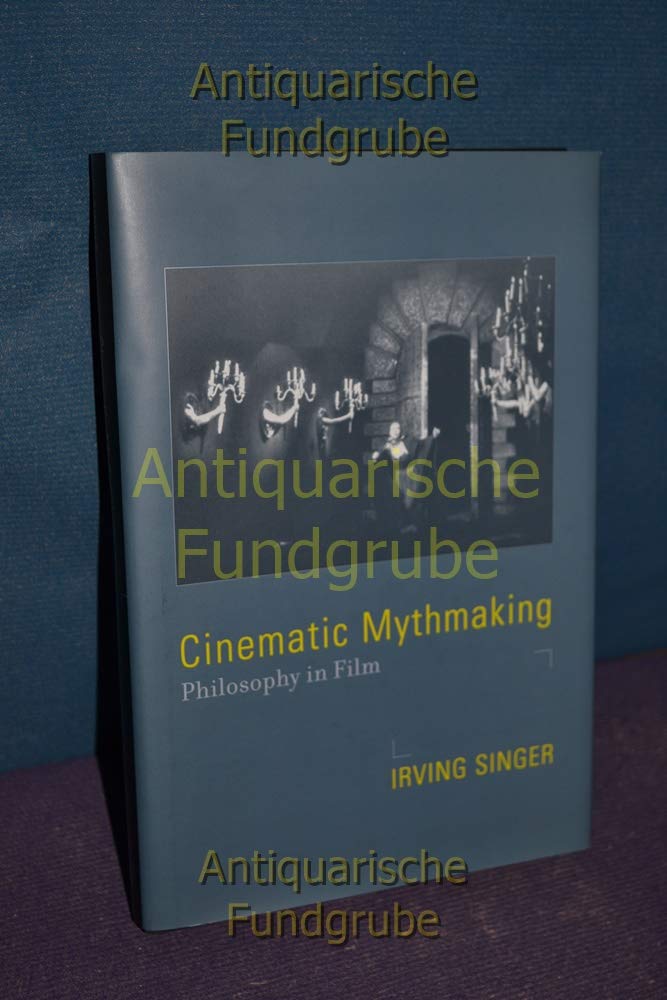
Cinematic Mythmaking: Philosophy in Film,New
Sold by Ergodebooks, an authorized reseller.
Returns accepted within 30 days | support@ergodebooks.com
Shipping Information
- Free Standard Shipping — United States only
- Processing Time: 3–5 business days
- Estimated Delivery: 6–10 business days after dispatch
- Double-boxed, fully insured & discreetly packaged
- Tracking number sent via email once dispatched
Returns & Refund
Returns accepted within 30 days of delivery.
Damaged or Defective Item
Free return shipping + replacement or full refund
Wrong Item Received
Free return shipping + replacement or full refund
Change of Mind
Return shipping at customer's expense · 25% restocking fee applies
Payment Option

Mythic themes and philosophical probing in film as an art form, as seen in works of Preston Sturges, Jean Cocteau, Stanley Kubrick, and various other filmmakers.Film is the supreme medium for mythmaking. The gods and heroes of mythology are both larger than life and deeply human; they teach us about the world, and they tell us a good story. Similarly, our experience of film is both distant and intimate. Cinematic techniquespanning, tracking, zooming, and the other tools in the filmmaker's toolboxcreate a world that is unlike reality and yet realistic at the same time. We are passive spectators, but we also have a personal relationship with the images we are seeing. In Cinematic Mythmaking, Irving Singer explores the hidden and overt use of myth in various films and, in general, the philosophical elements of a film's meaning. Mythological themes, Singer writes, perform a crucial role in cinematic art and even philosophy itself. Singer incisively disentangles the strands of different myths in the films he discusses. He finds in Preston Sturges's The Lady Eve that Barbara Stanwyck's character is not just the biblical Eve but a liberated woman of our times; Eliza Doolittle in the filmed versions of Shaw's Pygmalion is not just a statue brought to life but instead a heroic woman who must survive her own dark night of the soul. The protagonist of William Wyler's The Heiress and Anieszka Holland's Washington Square is both suffering Dido and an awakened Amazon. Singer reads Cocteau's filmsincluding La Belle et la Bte, Orphe, and The Testament of Orpheusas uniquely mythological cinematic poetry. He compares Kubrickean and Homeric epics and analyzes in depth the selfreferential mythmaking of Federico Fellini in many of his movies, including 8. The aesthetic and probing inventiveness in film, Singer shows us, restores and revives for audiences in the twentyfirst century myths of creation, of the questing hero, and of idealsboth secular and religiousthat have had enormous significance throughout the human search for love and meaning in life.
⚠️ WARNING (California Proposition 65):
This product may contain chemicals known to the State of California to cause cancer, birth defects, or other reproductive harm.
For more information, please visit www.P65Warnings.ca.gov.