
Title
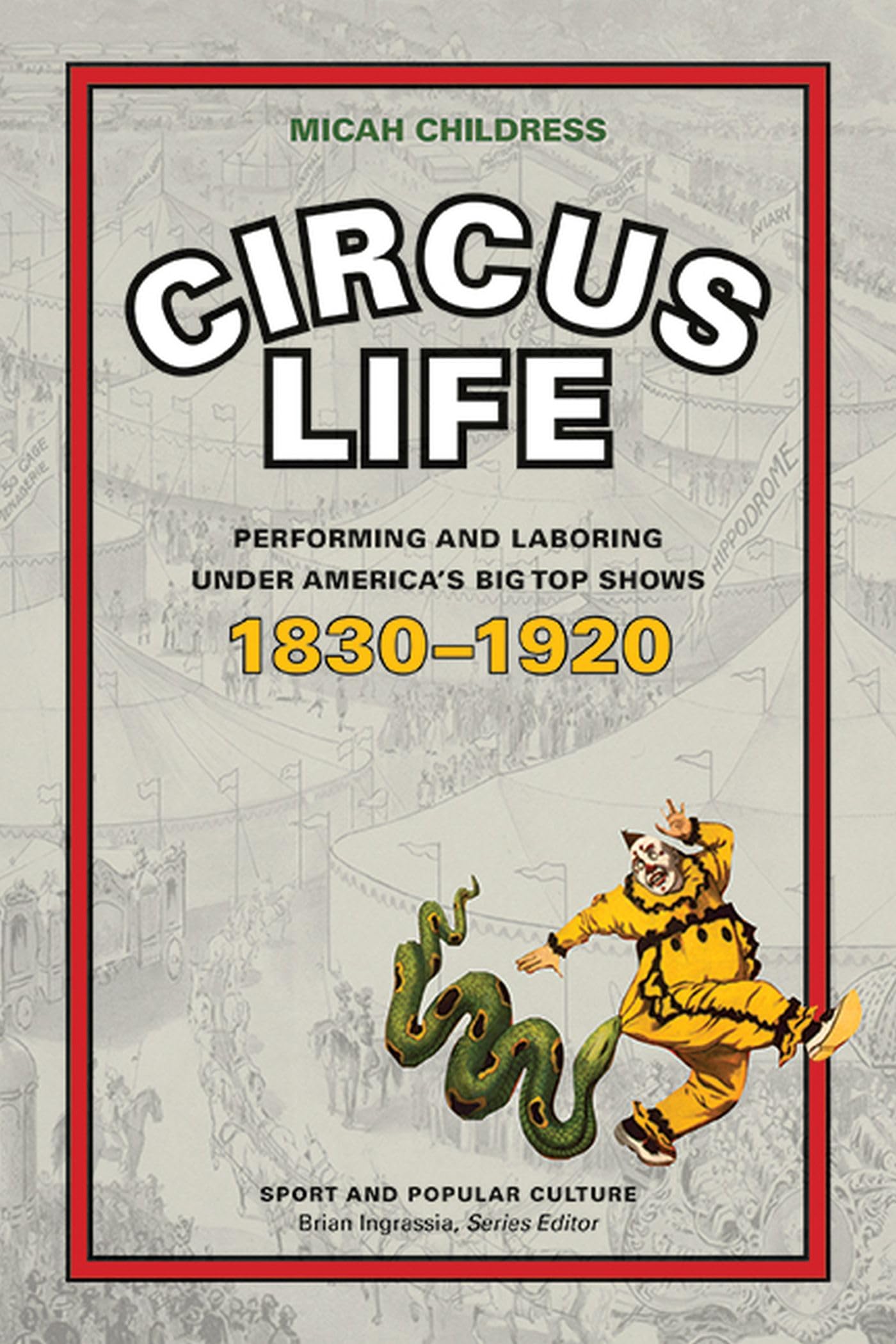
Circus Life: Performing And Laboring Under America'S Big Top Shows, 18301920 (Sports & Popular Culture),Used
Sold by Ergodebooks, an authorized reseller.
Returns accepted within 30 days | support@ergodebooks.com
Shipping Information
- Free Standard Shipping — United States only
- Processing Time: 3–5 business days
- Estimated Delivery: 6–10 business days after dispatch
- Double-boxed, fully insured & discreetly packaged
- Tracking number sent via email once dispatched
Returns & Refund
Returns accepted within 30 days of delivery.
Damaged or Defective Item
Free return shipping + replacement or full refund
Wrong Item Received
Free return shipping + replacement or full refund
Change of Mind
Return shipping at customer's expense · 25% restocking fee applies
Payment Option

The nineteenth century saw the American circus move from a reviled and rejected form of entertainment to the Greatest Show on Earth. Circus Life by Micah D. Childress looks at this transition from the perspective of the people who owned and worked in circuses and how they responded to the new incentives that rapid industrialization made possible.The circus has long been a subject of fascination for many, as evidenced by the millions of Americans that have attended circus performances over many decades since 1870, when the circus established itself as a truly unique entertainment enterprise. Yet the few analyses of the circus that do exist have only examined the circus as its own closed microcosmthe circus family. Circus Life, on the other hand, places circus employees in the larger context of the history of US workers and corporate America. Focusing on the circus as a businessentertainment venture, Childress pushes the scholarship on circuses to new depths, examining the performers, managers, and laborers lives and how the circus evolved as it grew in popularity over time. Beginning with circuses in the antebellum era, Childress examines changes in circuses as gender balances shifted, industrialization influenced the nature of shows, and customers and crowds became increasingly more middleclass.As a study in sport and social history, Childresss account demonstrates how the itinerant nature of the circus drew specific types of workers and performers, and how the circus was internally in constant upheaval due to the changing profile of its patrons and a changing economy.MICAH D. CHILDRESS received his PhD in history from Purdue University and currently works as a Realtor in Grand Rapids, Michigan. His articles have appeared in Popular Entertainment Studies and American Studies.
⚠️ WARNING (California Proposition 65):
This product may contain chemicals known to the State of California to cause cancer, birth defects, or other reproductive harm.
For more information, please visit www.P65Warnings.ca.gov.