
Title
City Of Refuge: Slavery And Petit Marronage In The Great Dismal Swamp, 17631856 (Race In The Atlantic World, 17001900 Ser.),Used
Sold by Ergodebooks, an authorized reseller.
Returns accepted within 30 days | support@ergodebooks.com
Shipping Information
- Free Standard Shipping — United States only
- Processing Time: 3–5 business days
- Estimated Delivery: 6–10 business days after dispatch
- Double-boxed, fully insured & discreetly packaged
- Tracking number sent via email once dispatched
Returns & Refund
Returns accepted within 30 days of delivery.
Damaged or Defective Item
Free return shipping + replacement or full refund
Wrong Item Received
Free return shipping + replacement or full refund
Change of Mind
Return shipping at customer's expense · 25% restocking fee applies
Payment Option

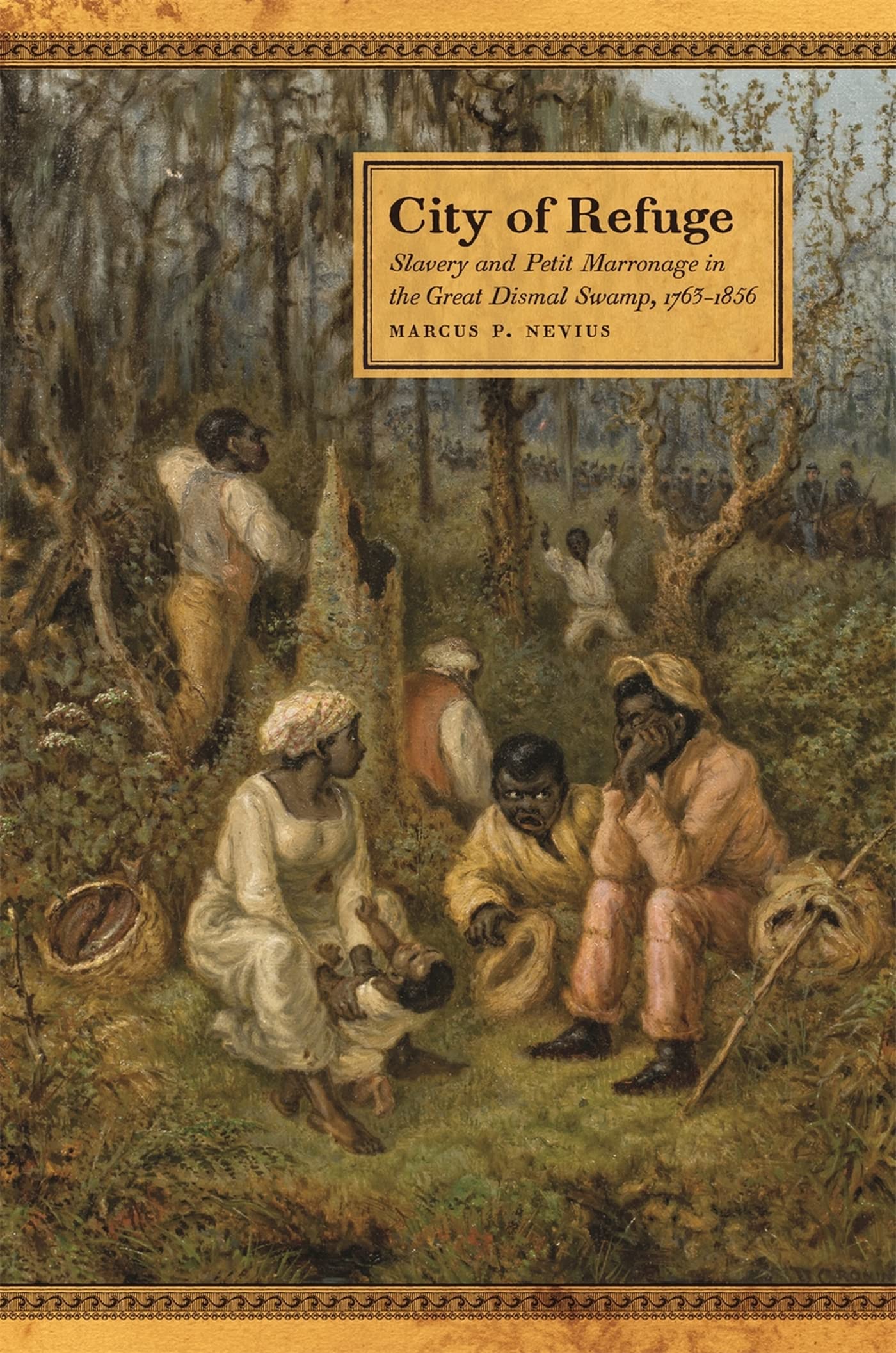
City of Refuge is a story of petit marronage, an informal slaves economy, and the construction of internal improvements in the Great Dismal Swamp of Virginia and North Carolina. The vast wetland was tough terrain that most white Virginians and North Carolinians considered uninhabitable. Perceived desolation notwithstanding, black slaves fled into the swamps remote sectors and engaged in petit marronage, a type of escape and fugitivity prevalent throughout the Atlantic world. An alternative to the dangers of flight by way of the Underground Railroad, maroon communities often neighbored slavelabor camps, the latter located on the swamps periphery and operated by the Dismal Swamp Land Company and other companies that employed slave labor to facilitate the extraction of the Dismals natural resources. Often with the tacit acceptance of white company agents, company slaves engaged in various exchanges of goods and provisions with maroonsnetworks that padded company accounts even as they helped to sustain maroon colonies and communities.In his examination of life, commerce, and social activity in the Great Dismal Swamp, Marcus P. Nevius engages the historiographies of slave resistance and abolitionism in the early American republic. City of Refuge uses a wide variety of primary sourcesincluding runaway advertisements; planters and merchants records, inventories, letterbooks, and correspondence; abolitionist pamphlets and broadsides; county free black registries; and the records and inventories of private companiesto examine how American maroons, enslaved canal laborers, white company agents, and commission merchants shaped, and were shaped by, race and slavery in an important region in the history of the late Atlantic world.
⚠️ WARNING (California Proposition 65):
This product may contain chemicals known to the State of California to cause cancer, birth defects, or other reproductive harm.
For more information, please visit www.P65Warnings.ca.gov.