If you have any questions, you are always welcome to contact us. We'll get back to you as soon as possible, withing 24 hours on weekdays.
Customer service
All questions about your order, return and delivery must be sent to our customer service team by e-mail at yourstore@yourdomain.com
Sale & Press
If you are interested in selling our products, need more information about our brand or wish to make a collaboration, please contact us at press@yourdomain.com
Help
If you have any questions, you are always welcome to contact us. We'll get back to you as soon as possible, withing 24 hours on weekdays.
Customer service
All questions about your order, return and delivery must be sent to our customer service team by e-mail at yourstore@yourdomain.com
Sale & Press
If you are interested in selling our products, need more information about our brand or wish to make a collaboration, please contact us at press@yourdomain.com
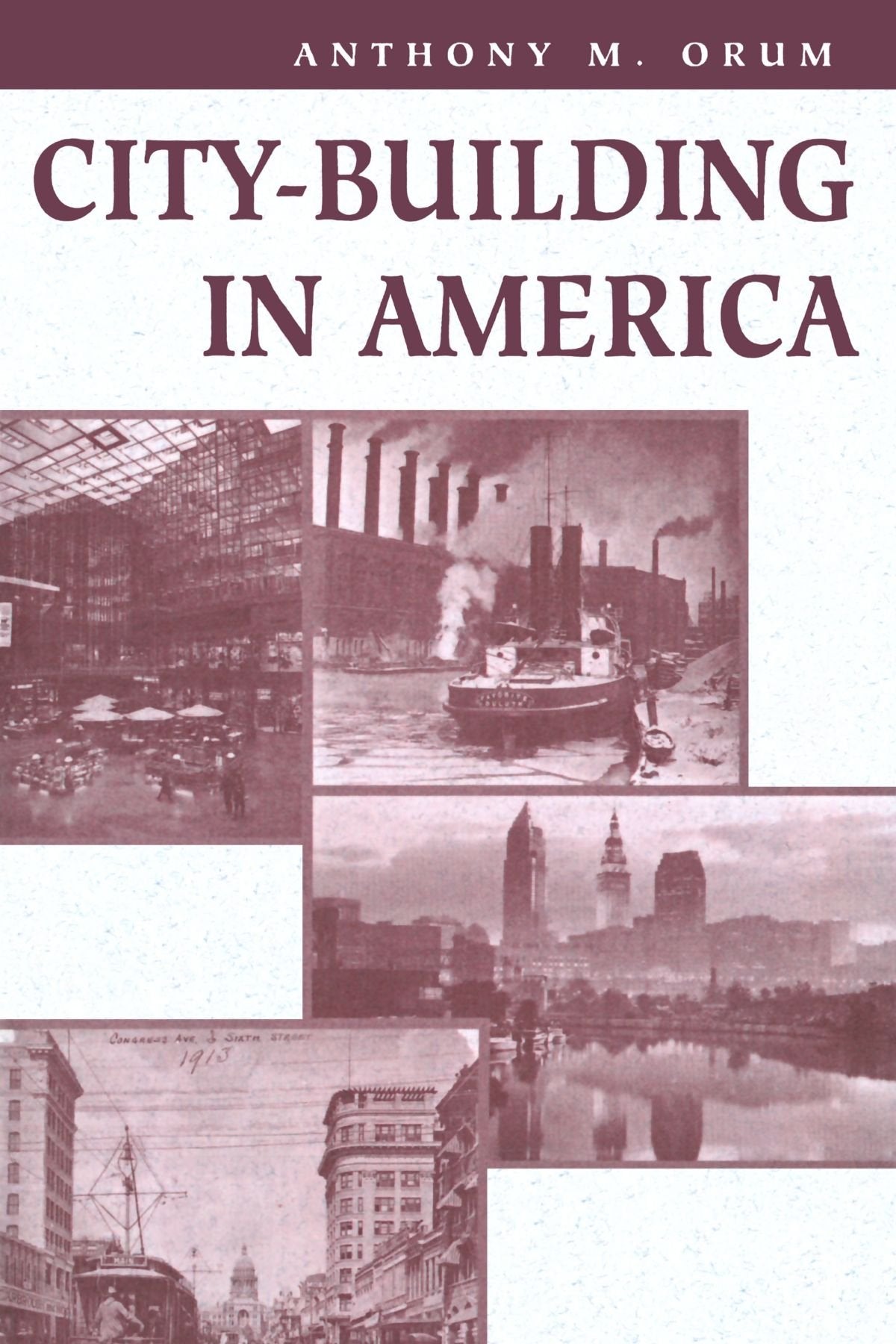
Why do some cities grow and expand, while others dwindle and decline? Why is Milwaukee a town of the past, while MinneapolisSt. Paul seems reborn and infused with future dynamism? And what do Milwaukee and the Twin Cities have to tell us about other cities' prospects, the trials and destinies of industrial Cleveland and postindustrial Austin? Anthony Orum's new book tells the story of these cities and, at the same time, of all cities. Here the urban past, present, and future are woven into one compelling tale. Orum traces the shift in the sources of urban growth from entrepreneurs to institutions and highlights the emergence of local government as a prominent forceindeed, as an institutionin shaping the trajectory of the urban industrial heartland. This complex trajectory includes all aspects of urban boom and bust: population trends, economic prosperity, politics and culture, as well as hardtopindown qualities like a city's collective hope and vision. Interspersing social theory, historical ethnography, and comparative analysis to help explain the fates of different cities, Orum lucidly portrays factory openings, labor strikes, elections, evictions, urban blight, white flight, recession, and rejuvenation to show the core historiesand future shapeof cities beyond the particulars presented in these pages. The reader will discover the key people and politics of cities along with the forces that direct them. With a rich variety of sources including newspapers, diaries, census materials, maps, photo essays, and, perhaps most captivating, original oral histories, CityBuilding in America is ideal for anyone interested in urban transformation and for courses in urban sociology, urban politics, industrial sociology, social change, and social mobility.
⚠️ WARNING (California Proposition 65):
This product may contain chemicals known to the State of California to cause cancer,
birth defects, or other reproductive harm.
For MAP (Minimum Advertised Price) violations and Intellectual Property (IP) or Trademark concerns, please contact:
support@ergodebooks.com
⚠️ California Proposition 65 Warning: Some products sold on this website may expose you to chemicals known to the State of California to cause cancer, birth defects, or other reproductive harm. For more information, visit www.P65Warnings.ca.gov.