
Title
Civil Justice In China: Representation And Practice In The Qing (Law, Society, And Culture In China),Used
Sold by Ergodebooks, an authorized reseller.
Returns accepted within 30 days | support@ergodebooks.com
Shipping Information
- Free Standard Shipping — United States only
- Processing Time: 3–5 business days
- Estimated Delivery: 6–10 business days after dispatch
- Double-boxed, fully insured & discreetly packaged
- Tracking number sent via email once dispatched
Returns & Refund
Returns accepted within 30 days of delivery.
Damaged or Defective Item
Free return shipping + replacement or full refund
Wrong Item Received
Free return shipping + replacement or full refund
Change of Mind
Return shipping at customer's expense · 25% restocking fee applies
Payment Option

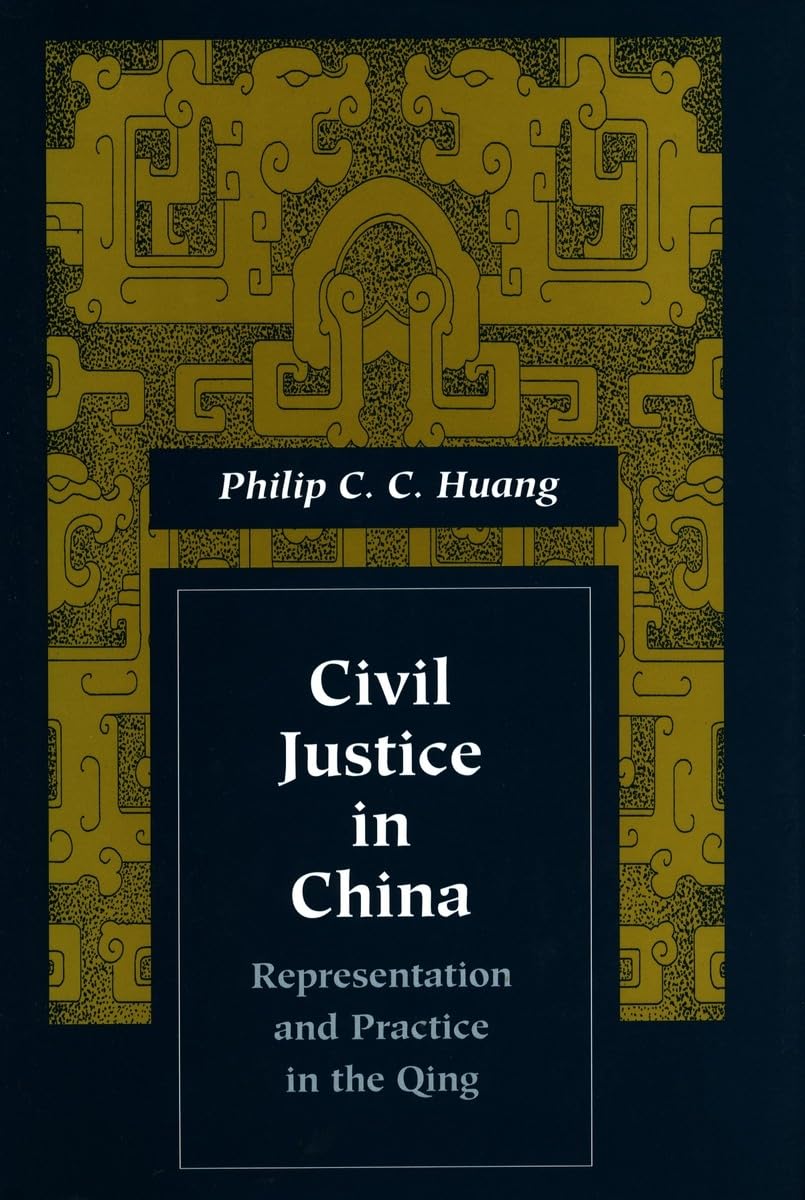
To what extent do newly available case records bear out our conventional assumptions about the Qing legal system? Is it true, for example, that Qing courts rarely handled civil lawsuitsthose concerned with disputes over land, debt, marriage, and inheritanceas official Qing representations led us to believe? Is it true that decent people did not use the courts? And is it true that magistrates generally relied more on moral predilections than on codified law in dealing with cases? Based in large part on records of 628 civil dispute cases from three counties from the 1760s to the 1900s, this book reexamines those widely accepted Qing representations in the light of actual practice.The Qing state would have had us believe that civil disputes were so minor or trivial that they were left largely to local residents themselves to resolve. However, case records show that such disputes actually made up a major part of the caseloads of local courts. The Qing state held that lawsuits were the result of actions of immoral men, but ethnographic information and case records reveal that when community/kin mediation failed, many common peasants resorted to the courts to assert and protect their legitimate claims. The Qing state would have had us believe that local magistrates, when they did deal with civil disputes, did so as mediators rather than judges. Actual records reveal that magistrates almost never engaged in mediation but generally adjudicated according to stipulations in the Qing code.
⚠️ WARNING (California Proposition 65):
This product may contain chemicals known to the State of California to cause cancer, birth defects, or other reproductive harm.
For more information, please visit www.P65Warnings.ca.gov.