If you have any questions, you are always welcome to contact us. We'll get back to you as soon as possible, withing 24 hours on weekdays.
Customer service
All questions about your order, return and delivery must be sent to our customer service team by e-mail at yourstore@yourdomain.com
Sale & Press
If you are interested in selling our products, need more information about our brand or wish to make a collaboration, please contact us at press@yourdomain.com
Help
If you have any questions, you are always welcome to contact us. We'll get back to you as soon as possible, withing 24 hours on weekdays.
Customer service
All questions about your order, return and delivery must be sent to our customer service team by e-mail at yourstore@yourdomain.com
Sale & Press
If you are interested in selling our products, need more information about our brand or wish to make a collaboration, please contact us at press@yourdomain.com
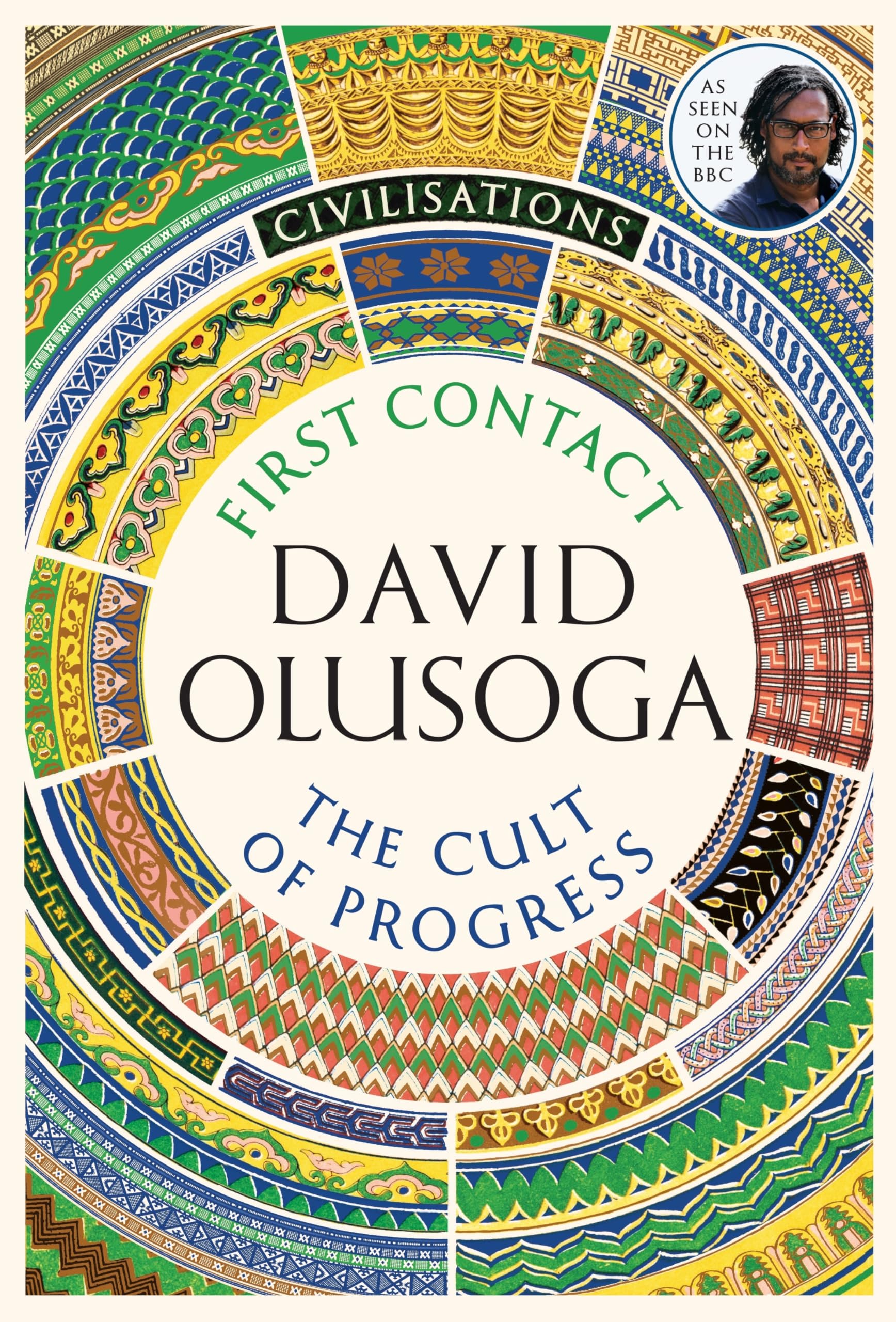
There is nothing simple about the idea of civilisation. It is a concept with multiple and contested meanings. Prefix it with the word western and you have a whole new set of problems. Equally thorny is the belief, once commonplace, that civilisation was a singular project, a phenomenon that spread across parts of the world from a single source. The view that multiple civilisations emerged independently at various times and in various places across the world was not an idea many Victorian thinkers had much time for. Indeed, in the age of European Empires, nations justified their domination of other peoples by claiming they were engaged in a great civilising mission. Perhaps all that is certain about the concept of civilisation is that its opposite, barbarism, is toxic. In Civilisations, David Olusoga travels the world to piece together the shared histories that link nations. In Part One, First Contact, we discover what happened to art in the great Age of Discovery, when civilisations encountered each other for the first time? Although undoubtedly a period of conquest and destruction it was also one of mutual curiosity, global trade and the exchange of ideas In Part Two, The Cult of Progress we see how the Industrial Revolution transformed the world, impacting every corner, and every civilisation, from the cotton mills of the Midlands, through Napoleons conquest of Egypt, to the demise of both Native American and Maori populations and the advent of photography in Paris in 1839. Incredible art both looted and created relay the key events and their outcomes throughout the world.
⚠️ WARNING (California Proposition 65):
This product may contain chemicals known to the State of California to cause cancer,
birth defects, or other reproductive harm.
For MAP (Minimum Advertised Price) violations and Intellectual Property (IP) or Trademark concerns, please contact:
support@ergodebooks.com
⚠️ California Proposition 65 Warning: Some products sold on this website may expose you to chemicals known to the State of California to cause cancer, birth defects, or other reproductive harm. For more information, visit www.P65Warnings.ca.gov.