
Title
Civilization And Monsters: Spirits Of Modernity In Meiji Japan (Asiapacific: Culture, Politics, And Society),Used
Sold by Ergodebooks, an authorized reseller.
Returns accepted within 30 days | support@ergodebooks.com
Shipping Information
- Free Standard Shipping — United States only
- Processing Time: 3–5 business days
- Estimated Delivery: 6–10 business days after dispatch
- Double-boxed, fully insured & discreetly packaged
- Tracking number sent via email once dispatched
Returns & Refund
Returns accepted within 30 days of delivery.
Damaged or Defective Item
Free return shipping + replacement or full refund
Wrong Item Received
Free return shipping + replacement or full refund
Change of Mind
Return shipping at customer's expense · 25% restocking fee applies
Payment Option

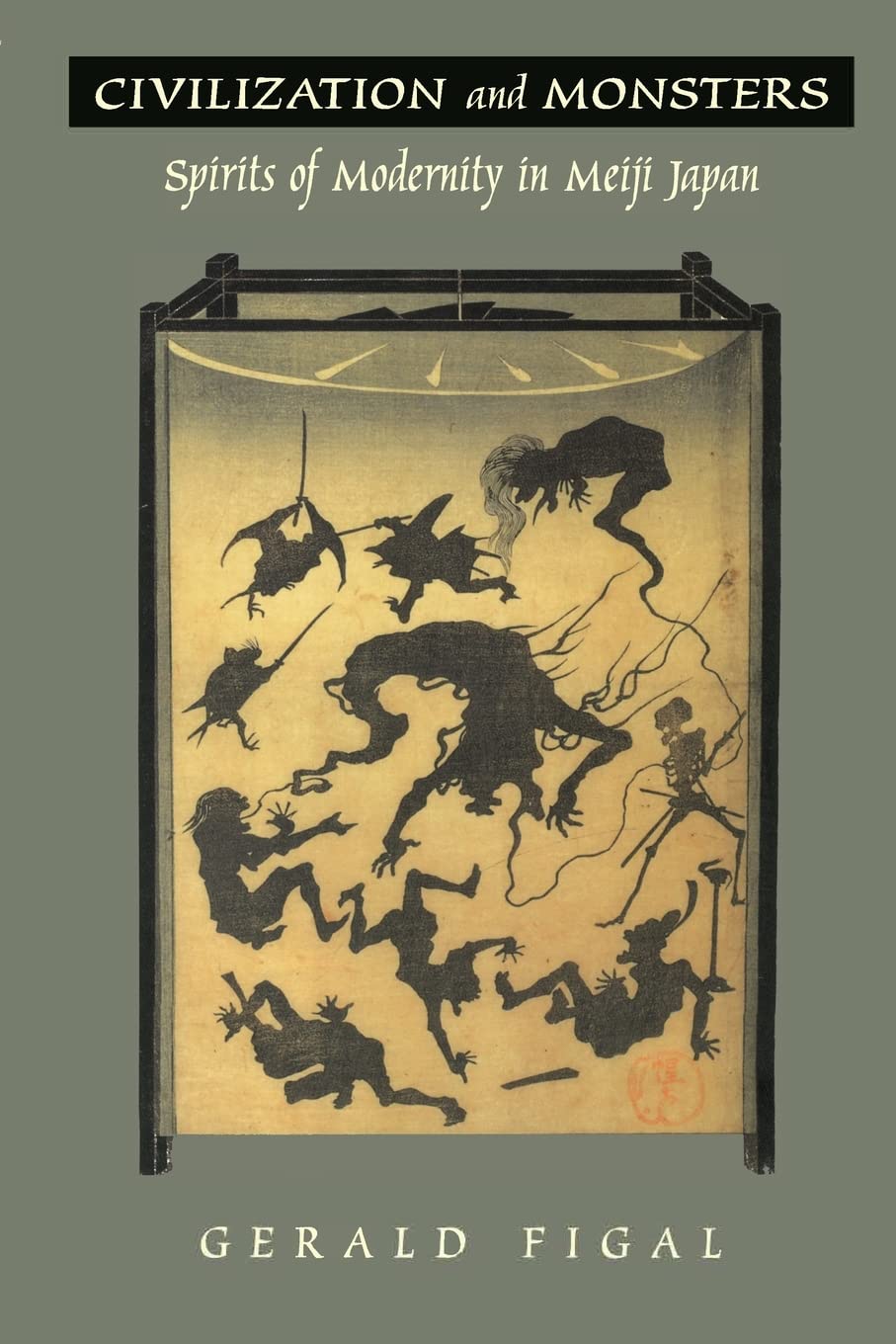
Monsters, ghosts, the supernatural, the fantastic, the mysterious. These are not usually considered the stuff of modernism. More often they are regarded as inconsequential to the study of the modern, or, at best, seen as representative of traditional beliefs that are overcome and left behind in the transformation toward modernity. In Civilization and Monsters Gerald Figal asserts that discourse on the fantastic was at the heart of the historical configuration of Japanese modernitythat the representation of the magical and mysterious played an integral part in the production of modernity beginning in Meiji Japan (18681912).After discussing the role of the fantastic in everyday Japan at the eve of the Meiji period, Figal draws new connections between folklorists, writers, educators, state ideologues, and policymakers, all of whom crossed paths in a contest over supernatural terrain. He shows the ways in which a determined Meiji state was engaged in a battle to suppress, denigrate, manipulate, or reincorporate folk belief as part of an effort toward the consolidation of a modern national culture. Modern medicine and education, functioning as a means for the state to exercise its power, redefined folk practices as a source of evil. Diverse local spirits were supplanted by a new Japanese Spirit, embodied by the newly constituted emperor, the supernatural source of the nations strength. The monsters of folklore were identified, catalogued, and characterized according to a new regime of modern reason. But whether engaged to support state power and forge a national citizenry or to critique the arbitrary nature of that power, the fantastic, as Figal maintains, is the constant condition of Japanese modernity in all its contradictions. Furthermore, he argues, modernity in general is born of fantasy in ways that have scarcely been recognized.Bringing unexplored and provocative new ideas to the Japan specialist, Civilization and Monsters will also appeal to readers concerned with issues of modernity in general.
⚠️ WARNING (California Proposition 65):
This product may contain chemicals known to the State of California to cause cancer, birth defects, or other reproductive harm.
For more information, please visit www.P65Warnings.ca.gov.