
Title
Civitas By Design: Building Better Communities, From The Garden City To The New Urbanism,New
Sold by Ergodebooks, an authorized reseller.
Returns accepted within 30 days | support@ergodebooks.com
Shipping Information
- Free Standard Shipping — United States only
- Processing Time: 3–5 business days
- Estimated Delivery: 6–10 business days after dispatch
- Double-boxed, fully insured & discreetly packaged
- Tracking number sent via email once dispatched
Returns & Refund
Returns accepted within 30 days of delivery.
Damaged or Defective Item
Free return shipping + replacement or full refund
Wrong Item Received
Free return shipping + replacement or full refund
Change of Mind
Return shipping at customer's expense · 25% restocking fee applies
Payment Option

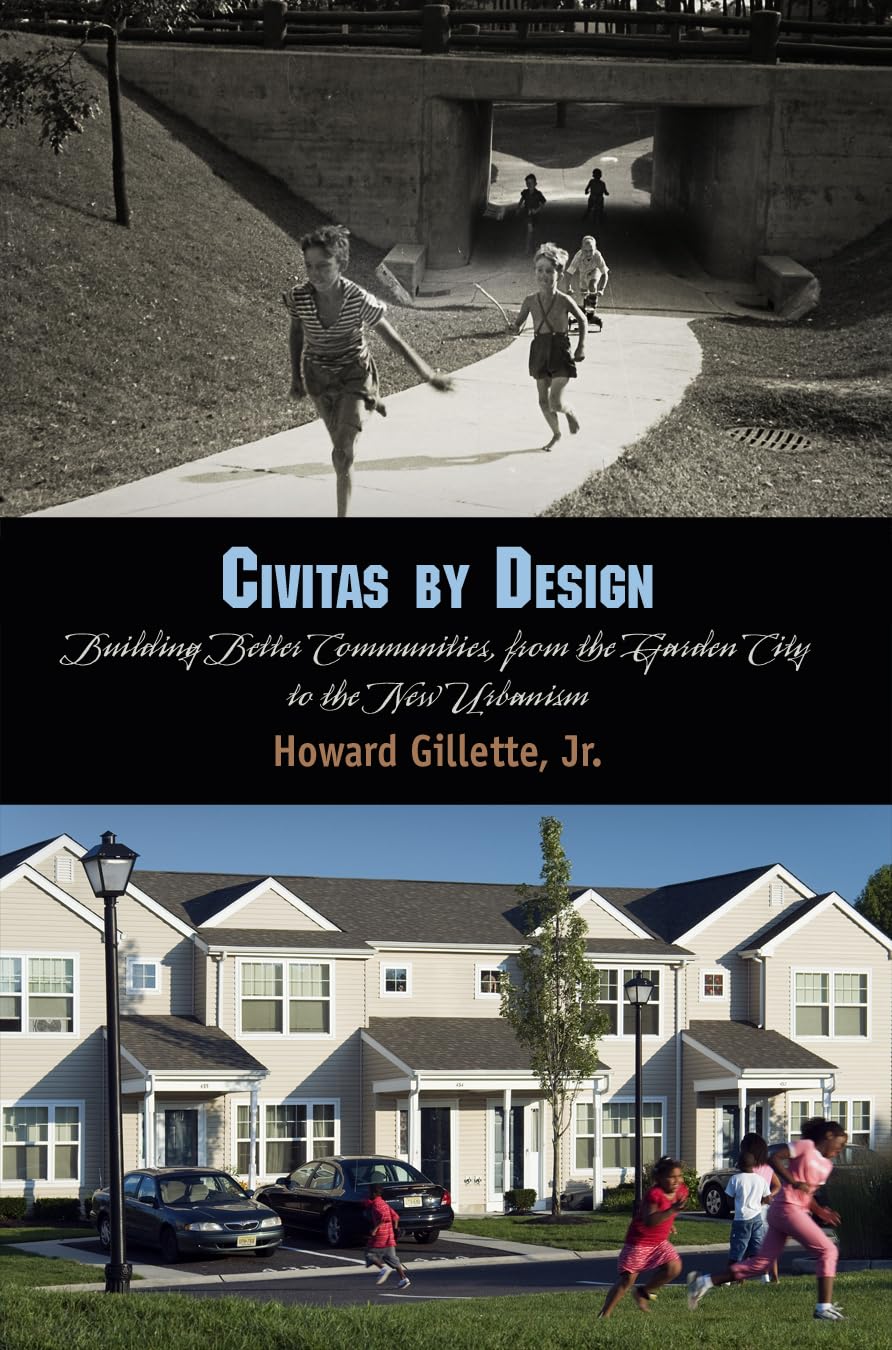
Since the end of the nineteenth century, city planners have aspired not only to improve the physical living conditions of urban residents but also to strengthen civic ties through better design of built environments. From Ebenezer Howard and his vision for garden cities to today's New Urbanists, these visionaries have sought to deepen civitas, or the shared community of citizens.In Civitas by Design, historian Howard Gillette, Jr., takes a critical look at this planning tradition, examining a wide range of environmental interventions and their consequences over the course of the twentieth century. As American reform efforts moved from progressive idealism through the era of government urban renewal programs to the rise of faith in markets, planners attempted to cultivate community in places such as Forest Hills Gardens in Queens, New York; Celebration, Florida; and the postKatrina Gulf Coast. Key figuresincluding critics Lewis Mumford and Oscar Newman, entrepreneur James Rouse, and housing reformer Catherine Bauerintroduced concepts such as neighborhood units, pedestrian shopping malls, and planned communities that were implemented on a national scale. Many of the buildings, landscapes, and infrastructures that planners envisioned still remain, but frequently these physical designs have proven insufficient to sustain the ideals they represented. Will contemporary urbanists' efforts to join social justice with environmentalism generate better results? Gillette places the work of reformers and designers in the context of their times, providing a careful analysis of the major ideas and trends in urban planning for current and future policy makers.
⚠️ WARNING (California Proposition 65):
This product may contain chemicals known to the State of California to cause cancer, birth defects, or other reproductive harm.
For more information, please visit www.P65Warnings.ca.gov.