
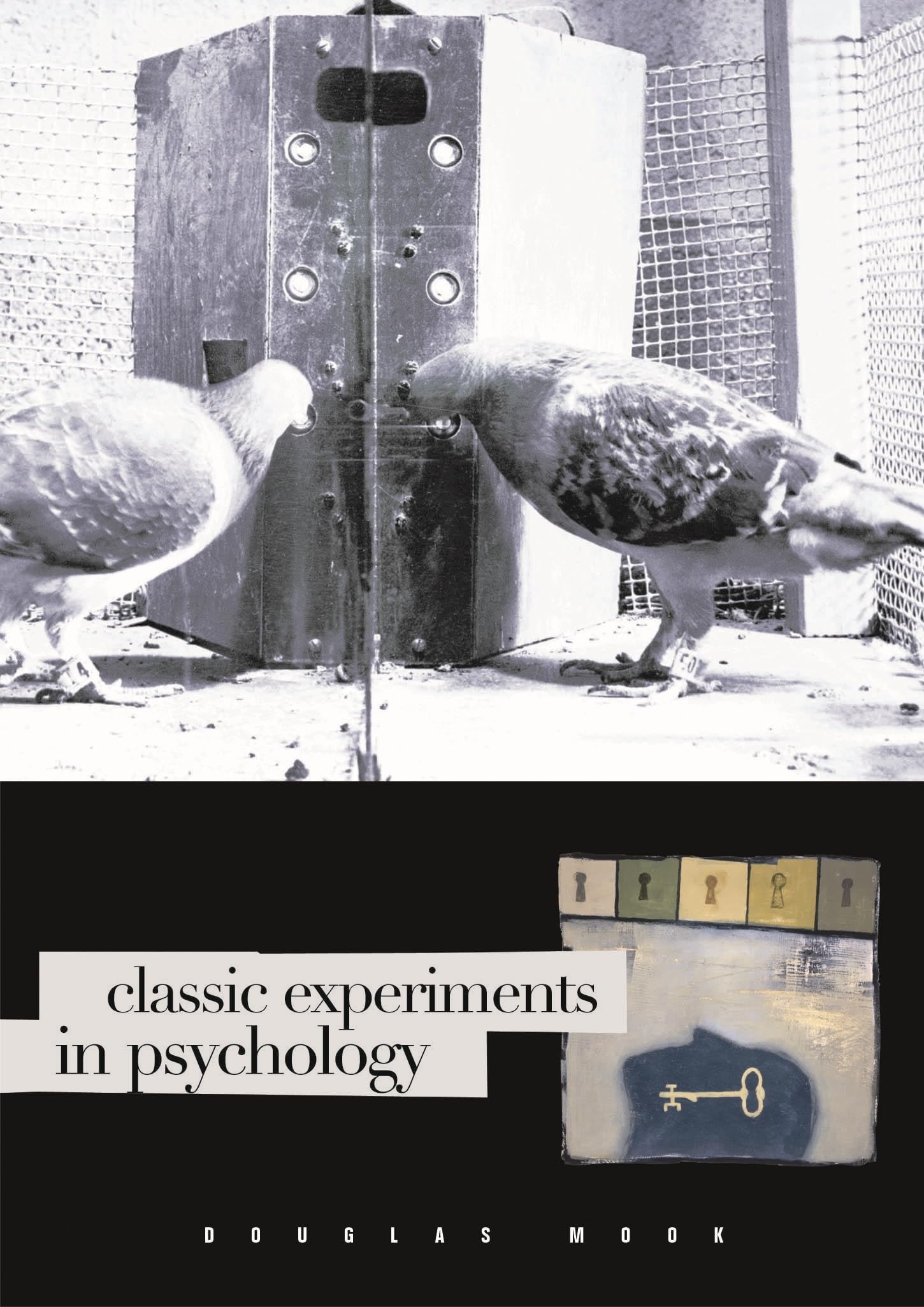
Title
Classic Experiments in Psychology,New
Sold by Ergodebooks, an authorized reseller.
Returns accepted within 30 days | support@ergodebooks.com
Shipping Information
- Free Standard Shipping — United States only
- Processing Time: 3–5 business days
- Estimated Delivery: 6–10 business days after dispatch
- Double-boxed, fully insured & discreetly packaged
- Tracking number sent via email once dispatched
Returns & Refund
Returns accepted within 30 days of delivery.
Damaged or Defective Item
Free return shipping + replacement or full refund
Wrong Item Received
Free return shipping + replacement or full refund
Change of Mind
Return shipping at customer's expense · 25% restocking fee applies
Payment Option

The typical survey course in psychology has time for only limited presentation of the research on which our knowledge is based. As a result, many students come away with a limited understanding of the role of experiments in psychological science. Where do experiments come from and how are they conducted? What are the pitfalls and how can we avoid them? What advantages do they have over intuition, authority, and common sense as guides to knowing and acting? What distinguishes researchbased psychology from psychobabble? What have we learned from experimentation in psychology?This book presents, in more depth than textbook treatment permits, the background, conduct, and implications of a selection of classic experiments in psychology. The selection is designed to be diverse, showing that even for research in vastly different areas of study, the logic of research remains the sameas do its traps and pitfalls. This book will broaden and deepen the understanding of experimental methods in psychological research, examining where the research questions come from, how questions can be turned into experiments, and how researchers have faced the problems presented by research in psychology.
⚠️ WARNING (California Proposition 65):
This product may contain chemicals known to the State of California to cause cancer, birth defects, or other reproductive harm.
For more information, please visit www.P65Warnings.ca.gov.
- Q: What are the dimensions of the book? A: The book measures seven point zero one inches in length, zero point eight eight inches in width, and ten inches in height.
- Q: How many pages does this book have? A: This book contains three hundred eighty-four pages, providing an in-depth exploration of classic experiments in psychology.
- Q: What type of binding does the book have? A: The book is bound in hardcover, ensuring durability and a professional feel for readers.
- Q: Who is the author of 'Classic Experiments in Psychology'? A: The author of this book is Douglas Mook, who presents research-based insights into psychological experiments.
- Q: What is the main focus of this book? A: The book focuses on classic experiments in psychology, highlighting their significance in understanding psychological research methods.
- Q: Is this book suitable for beginners in psychology? A: Yes, this book is suitable for beginners as it explains complex concepts in an accessible manner, making it ideal for students.
- Q: How can I apply the knowledge from this book? A: Readers can apply the knowledge by understanding research methods, which can enhance their critical thinking in psychology and related fields.
- Q: Is there a recommended age group for this book? A: This book is primarily targeted at college students and adults interested in psychology, making it suitable for ages eighteen and up.
- Q: How should I store this hardcover book? A: Store the book upright on a shelf, away from direct sunlight and moisture, to maintain its condition and prevent damage.
- Q: Can I lend this book to others? A: Yes, you can lend the book to others, but ensure they handle it carefully to avoid wear and tear.
- Q: What if I receive a damaged copy? A: If you receive a damaged copy, contact the seller for a replacement or return according to their policy.
- Q: Is there a warranty for this book? A: Books typically do not come with a warranty, but return policies may apply for damaged copies.
- Q: What topics are covered in this book? A: The book covers various topics related to classic psychological experiments, their methodologies, and implications in the field.
- Q: How does this book compare to standard psychology textbooks? A: Unlike standard textbooks, this book offers a deeper exploration of specific experiments, enriching the reader's understanding of real-world applications.
- Q: What makes this book different from other psychology books? A: This book differs by focusing on classic experiments and providing a detailed analysis of their significance in psychological science.
- Q: Are there illustrations in the book? A: Yes, the book includes black and white illustrations, enhancing the reader's comprehension of the discussed experiments.