
Title
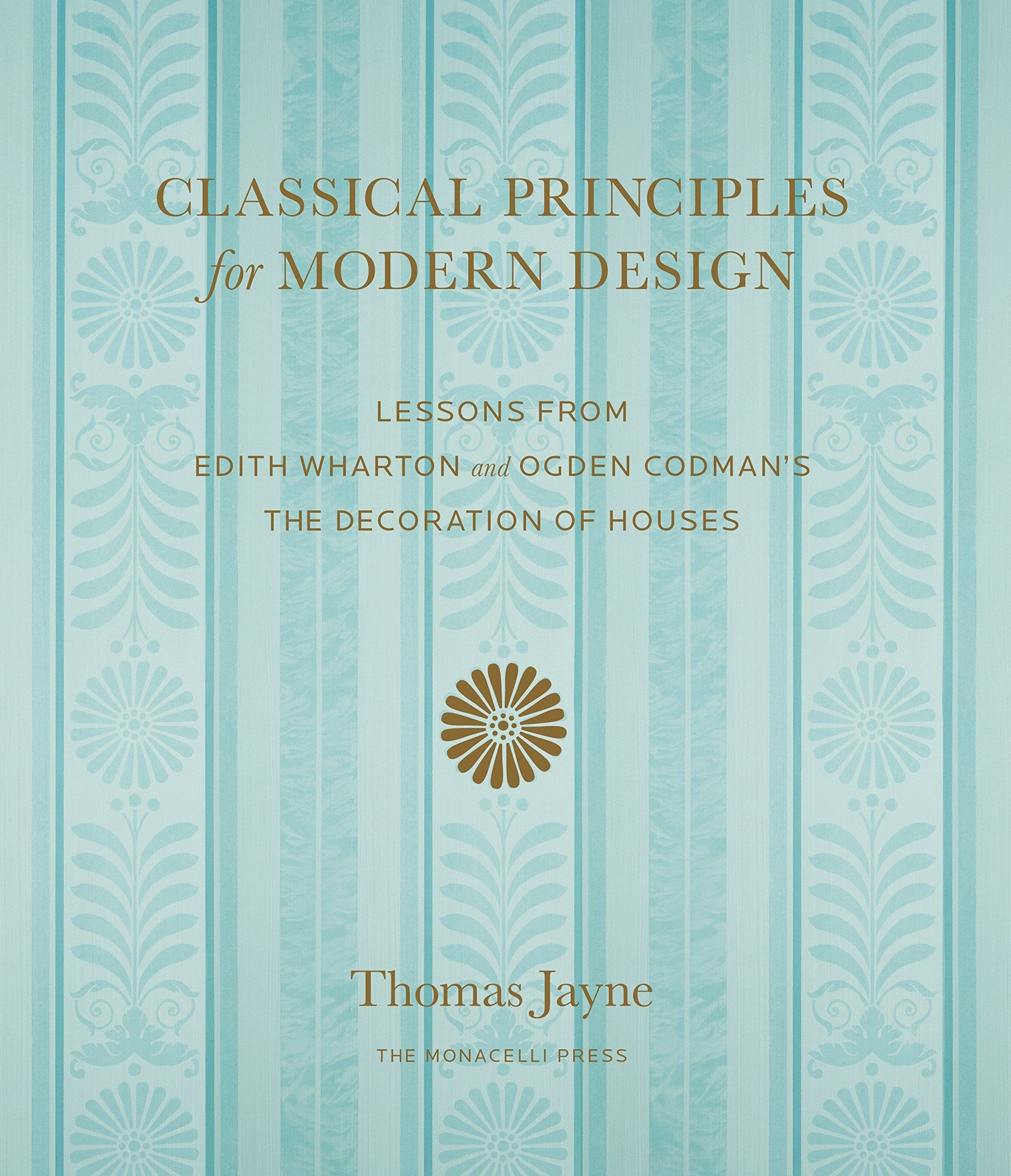
Classical Principles For Modern Design: Lessons From Edith Wharton And Ogden Codman'S The Decoration Of Houses
Sold by Ergodebooks, an authorized reseller.
Returns accepted within 30 days | support@ergodebooks.com
Shipping Information
- Free Standard Shipping — United States only
- Processing Time: 3–5 business days
- Estimated Delivery: 6–10 business days after dispatch
- Double-boxed, fully insured & discreetly packaged
- Tracking number sent via email once dispatched
Returns & Refund
Returns accepted within 30 days of delivery.
Damaged or Defective Item
Free return shipping + replacement or full refund
Wrong Item Received
Free return shipping + replacement or full refund
Change of Mind
Return shipping at customer's expense · 25% restocking fee applies
Payment Option

Interior designer and decorative arts historian Thomas Jayne takes on the redoubtable Edith Wharton and her coauthor Ogden Codman, whose 1897 book The Decoration of Houses is acknowledged as the Bible of American interior design.Wharton and Codman advocated for classical simplicity and balance, replacing the excesses of the Gilded Age. In Jaynes view, The Decoration of Houses is the levelheaded, indispensable book on the subject. It is not an overstatement to say that it is the most important decorating book ever written. How much of Wharton and Codmans advice and how many of their principles are still applicable today? In Classical Principles for Modern Design, Jayne argues that Wharton and Codmans fundamental ideas about the proportion and planning of space create the most harmonious and livable interiors, whether traditional or contemporary. His authoritative and engaging text traces contemporary ideas about design elements and furnishing rooms back to Wharton and Codman and shows where his design approach coincides and where it diverges from their views.The book follows the chapter organization of The Decoration of Houses chapters on walls, doors, windows and curtains, ceilings and floors, etc. and adds important new perspectives on the design of kitchens and the use of color, both major subjects that Wharton and Codman did not address. Drawing on his own work at Jayne Design Studio, Jayne has selected elegant, traditional interiors that demonstrate these principles.Projects range from a restoration of historic eighteenthcentury public rooms in Crichel House in Dorset, England, to a mountain retreat in the wilds of Montana to an array of luxurious New York City apartments and country houses in the Hudson Valley. Captured in lush photographs by Don Freeman and others, all speak to Thomas Jaynes commitment to the primacy of function, quality, and simplicity, derived from the ancient tradition of classical design. As he says, Tradition is not about what was. Tradition is now.
⚠️ WARNING (California Proposition 65):
This product may contain chemicals known to the State of California to cause cancer, birth defects, or other reproductive harm.
For more information, please visit www.P65Warnings.ca.gov.