
Title
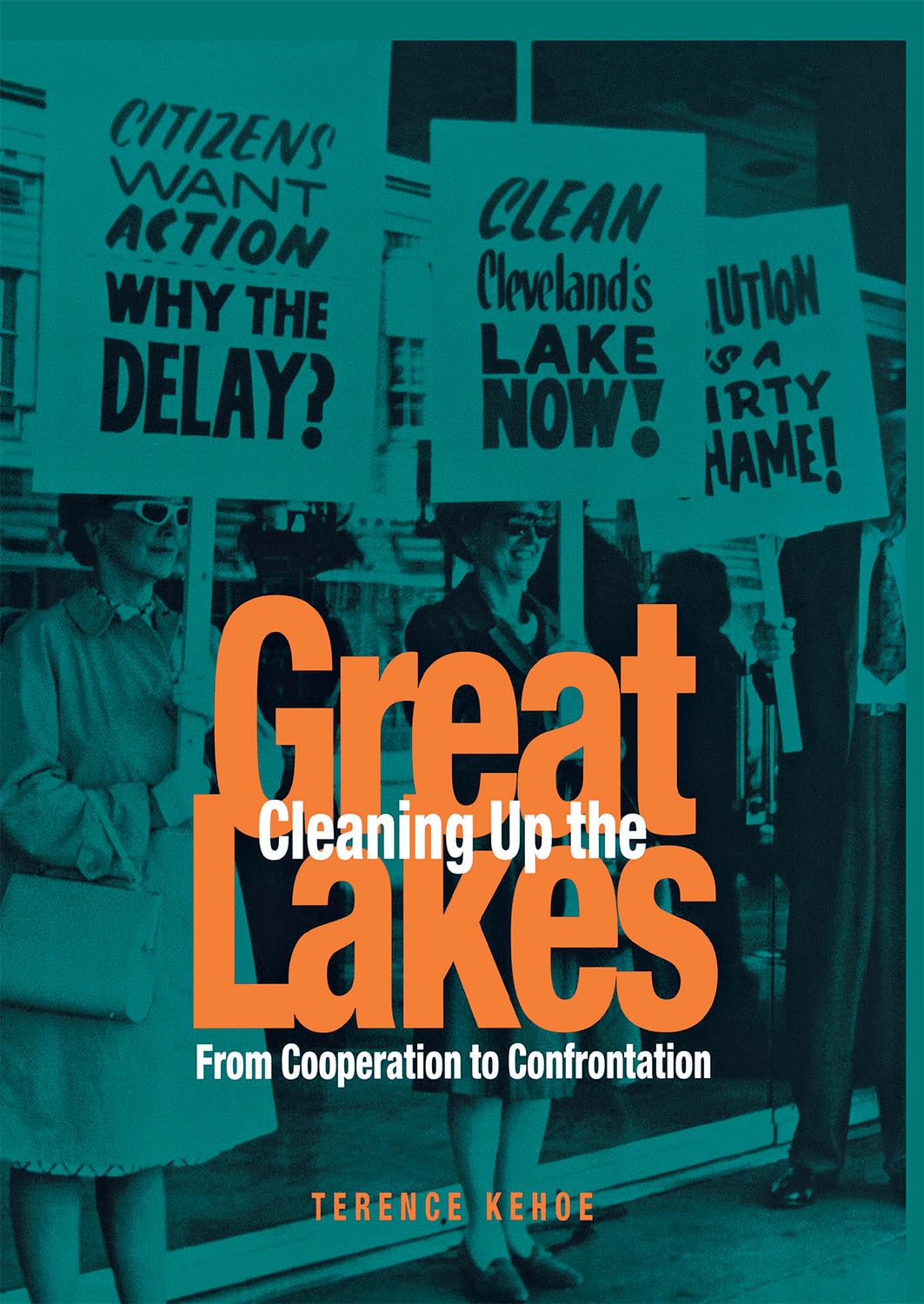
Cleaning Up the Great Lakes: From Cooperation to Confrontation,Used
Sold by Ergodebooks, an authorized reseller.
Returns accepted within 30 days | support@ergodebooks.com
Shipping Information
- Free Standard Shipping — United States only
- Processing Time: 3–5 business days
- Estimated Delivery: 6–10 business days after dispatch
- Double-boxed, fully insured & discreetly packaged
- Tracking number sent via email once dispatched
Returns & Refund
Returns accepted within 30 days of delivery.
Damaged or Defective Item
Free return shipping + replacement or full refund
Wrong Item Received
Free return shipping + replacement or full refund
Change of Mind
Return shipping at customer's expense · 25% restocking fee applies
Payment Option

Before the 1960s, state regulatory officials responsible for protecting Great Lakes water quality followed a policy of "cooperative pragmatism" that was based on the principles of voluntarism, informal cooperation, and localism. During the 1960s, however, this regulatory system splintered as a result of increasing levels of pollution, the rise of environmentalism, and entrepreneurial politics at the federal level. Grass roots protest activity in the major cities of the Great Lakes Basin, supported by local media coverage and sympathetic members of Congress, led to federal intervention to "save our lakes."Gradually, a new system of regulation emerged that was characterized by formal procedures, legal conflict, and national standardization. In the past, state regulators had based individual waste treatment requirements on the receiving water's primary uses, economic considerations, and other local factors. But new federal legislation established a national discharge permit program that forced regulators to seek the maximum treatment feasible, as determined by officials in Washington.Environmental and policy history intersect in this unique case study of national water pollution control policy during the seminal decades of environmental activism. Kehoe uses events in the Great Lakes region to investigate broader changes in American public policy during the era of public interest that extended from the late 1960s through the early 1970s. These include the nationalization of policy, the breakdown of trust in institutions, and a greater reliance on formal legal mechanisms to resolve conflict and perceived injustices.Cleaning Up the Great Lakes will appeal to readers who seek to understand the changing nature of public policy in recent American history. This compelling book will also interest those wishing to learn about the Great Lakes ecosystem, environmental issues, and environmental regulation.
⚠️ WARNING (California Proposition 65):
This product may contain chemicals known to the State of California to cause cancer, birth defects, or other reproductive harm.
For more information, please visit www.P65Warnings.ca.gov.