
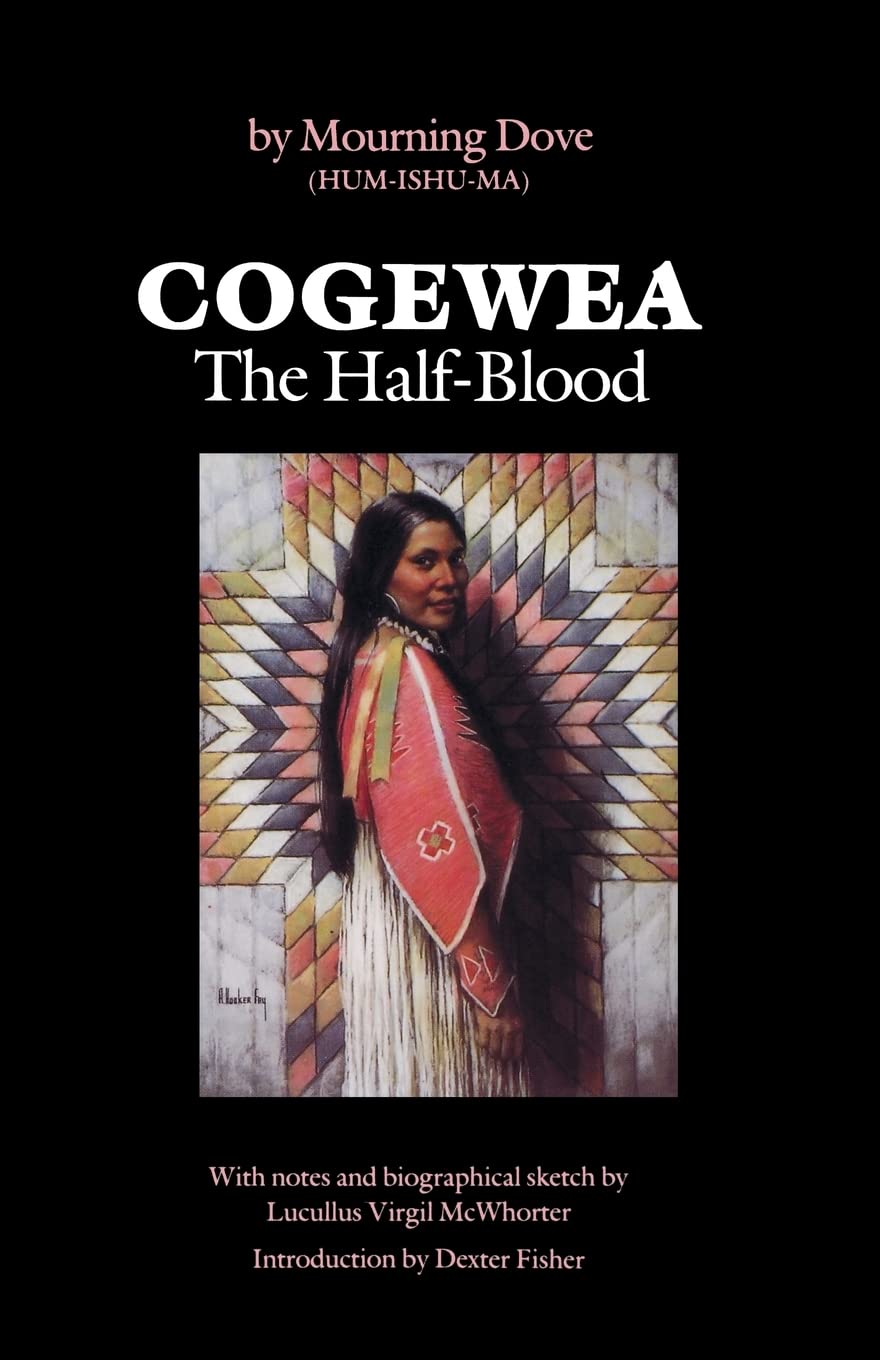
Title
Cogewea, The Half Blood: A Depiction Of The Great Montana Cattle Range
Sold by Ergodebooks, an authorized reseller.
Returns accepted within 30 days | support@ergodebooks.com
Shipping Information
- Free Standard Shipping — United States only
- Processing Time: 3–5 business days
- Estimated Delivery: 6–10 business days after dispatch
- Double-boxed, fully insured & discreetly packaged
- Tracking number sent via email once dispatched
Returns & Refund
Returns accepted within 30 days of delivery.
Damaged or Defective Item
Free return shipping + replacement or full refund
Wrong Item Received
Free return shipping + replacement or full refund
Change of Mind
Return shipping at customer's expense · 25% restocking fee applies
Payment Option

One Of The First Known Novels By A Native American Woman, Cogewea (1927) Is The Story Of A Halfblood Girl Caught Between The Worlds Of Anglo Ranchers And Fullblood Reservation Indians; Between The Craven And Falsehearted Easterner Alfred Densmore And James Lagrinder, A Halfblood Cowboy And The Best Rider On The Flathead; Between Book Learning And The Folk Wisdom Of Her Fullblood Grandmother. The Book Combines Authentic Indian Lore With The Circumstance And Dialogue Of A Popular Romance; In Its Language, It Shows A Selftaught Writer Attempting To Come To Terms With The Rift Between Formal Written Style And The Comfortable Rhythms And Slang Of Familiar Speech.
⚠️ WARNING (California Proposition 65):
This product may contain chemicals known to the State of California to cause cancer, birth defects, or other reproductive harm.
For more information, please visit www.P65Warnings.ca.gov.
- Q: What is the page count of the book Cogewea, The Half Blood? A: The book has three hundred thirty-four pages. This length provides ample space for the intricate storytelling of Mourning Dove.
- Q: What type of binding does Cogewea, The Half Blood have? A: This book features a paperback binding. Paperback editions are flexible and lightweight, making them easy to carry and read.
- Q: What are the dimensions of Cogewea, The Half Blood? A: The dimensions are five point three three inches in length, zero point seven nine inches in width, and seven point nine nine inches in height. These measurements make it a convenient size for reading.
- Q: How can I read Cogewea, The Half Blood? A: You can read this book by purchasing it in paperback format. It is suitable for anyone interested in historical fiction and Native American literature.
- Q: Is Cogewea, The Half Blood suitable for all age groups? A: Yes, this book is generally suitable for adults and young adults. However, it is advisable to consider maturity levels due to cultural themes.
- Q: What themes are explored in Cogewea, The Half Blood? A: The book explores themes of identity, cultural conflict, and the experience of being a half-blood. These themes resonate deeply within historical contexts.
- Q: How should I care for Cogewea, The Half Blood? A: To keep this book in good condition, store it in a dry place away from direct sunlight. Avoid bending the spine to preserve its binding.
- Q: Can I clean the pages of Cogewea, The Half Blood? A: No, cleaning the pages is not recommended. Instead, handle the book with clean hands to avoid transferring dirt or oils.
- Q: What is the best way to store Cogewea, The Half Blood? A: Store the book upright on a shelf, ideally in a temperature-controlled environment. This helps prevent warping and damage.
- Q: How does Cogewea, The Half Blood compare to other historical novels? A: Cogewea stands out for its authentic portrayal of Native American experiences. It provides a unique perspective compared to many mainstream historical novels.
- Q: Is Cogewea, The Half Blood a good choice for historical fiction enthusiasts? A: Yes, this book is an excellent choice for historical fiction enthusiasts. It offers a rich narrative woven with cultural insights.
- Q: How does the writing style of Mourning Dove affect the story? A: Mourning Dove's self-taught writing style combines formal and colloquial language. This blend enriches the authenticity of the characters and their experiences.
- Q: What should I do if Cogewea, The Half Blood arrives damaged? A: If the book arrives damaged, contact the seller for a return or exchange. Most sellers have policies in place for damaged items.
- Q: Is there a warranty for Cogewea, The Half Blood? A: No, there is typically no warranty for books like Cogewea. However, check the seller's return policy for any guarantees.
- Q: What if I have trouble understanding the cultural references in Cogewea, The Half Blood? A: Consider researching the cultural context or reading supplementary materials. This can enhance your understanding of the references made in the book.