If you have any questions, you are always welcome to contact us. We'll get back to you as soon as possible, withing 24 hours on weekdays.
Customer service
All questions about your order, return and delivery must be sent to our customer service team by e-mail at yourstore@yourdomain.com
Sale & Press
If you are interested in selling our products, need more information about our brand or wish to make a collaboration, please contact us at press@yourdomain.com
Help
If you have any questions, you are always welcome to contact us. We'll get back to you as soon as possible, withing 24 hours on weekdays.
Customer service
All questions about your order, return and delivery must be sent to our customer service team by e-mail at yourstore@yourdomain.com
Sale & Press
If you are interested in selling our products, need more information about our brand or wish to make a collaboration, please contact us at press@yourdomain.com
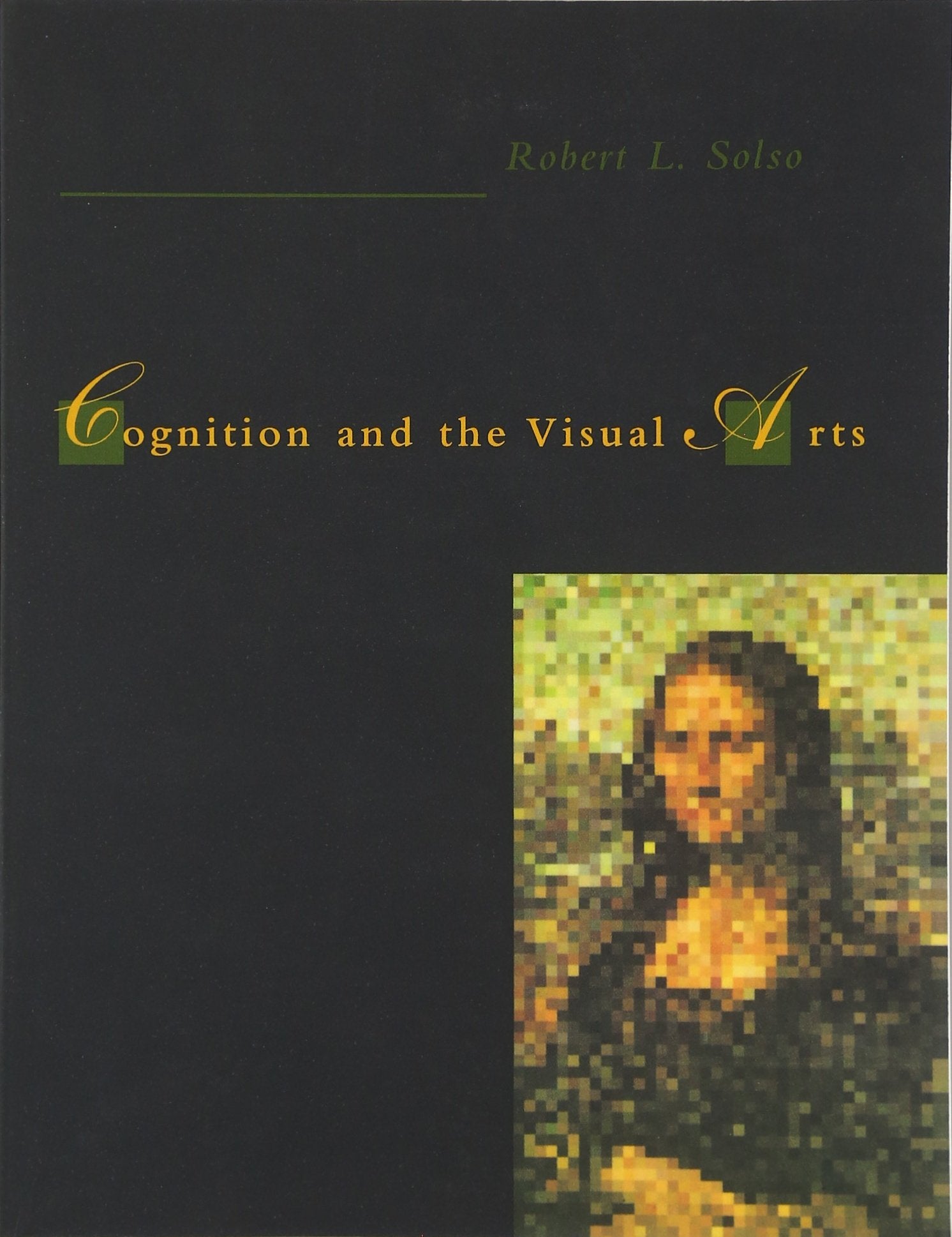
In this first systematic study of the connection between the new cognitive psychology and its importance to art, Solso reflects on the long relationship between humankind and art, observing that 'mind and art are one.'An experienced and prolific writer, Robert Solso has a gift for simplifying sometimes difficult concepts in science. Here he brings a refreshing new approach to the psychology of art, synthesizing research from a vast collection of data on how humans perceive, process, and store information and applying it to the viewing and interpretation of art. In this first systematic study of the connection between the new cognitive psychology and its importance to art, Solso reflects on the long relationship between humankind and art, observing that 'mind and art are one.' A major theme of this book, in fact, is that the clearest view of the mind comes when we create or experience art, a reverse of the usual view of art and cognition. The illustrations cover a wide range of examples, including African, Asian, and prehistoric art, but focusing primarily on Western art. The treatment of cognition applies a blend of the standard informationprocessing model, brain function, and neural networks. Cognitive Psychology series
⚠️ WARNING (California Proposition 65):
This product may contain chemicals known to the State of California to cause cancer,
birth defects, or other reproductive harm.
For MAP (Minimum Advertised Price) violations and Intellectual Property (IP) or Trademark concerns, please contact:
support@ergodebooks.com
⚠️ California Proposition 65 Warning: Some products sold on this website may expose you to chemicals known to the State of California to cause cancer, birth defects, or other reproductive harm. For more information, visit www.P65Warnings.ca.gov.