
Title
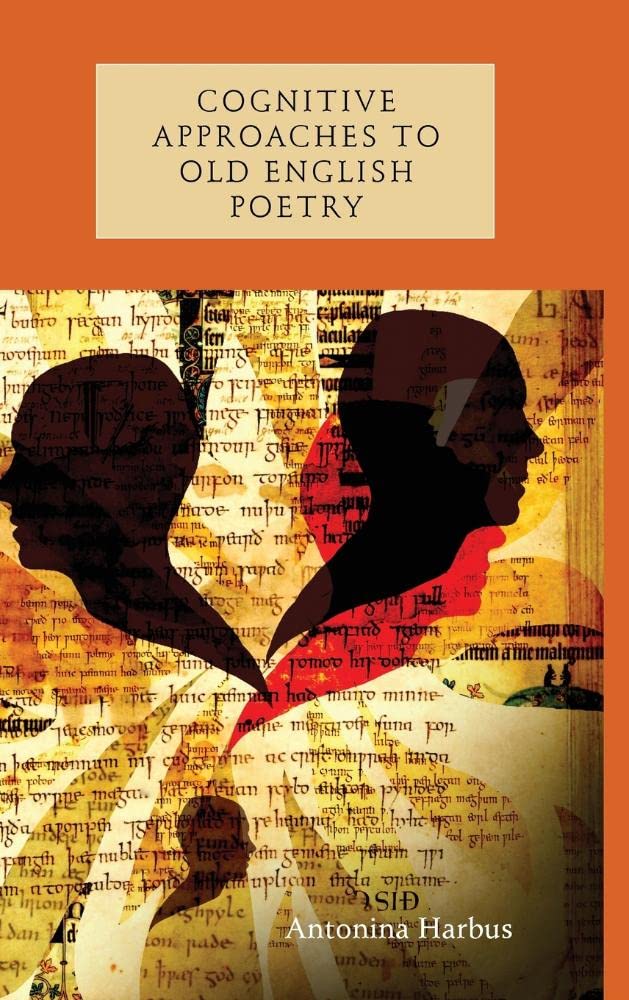
Cognitive Approaches to Old English Poetry (AngloSaxon Studies, 18),Used
Sold by Ergodebooks, an authorized reseller.
Returns accepted within 30 days | support@ergodebooks.com
Shipping Information
- Free Standard Shipping — United States only
- Processing Time: 3–5 business days
- Estimated Delivery: 6–10 business days after dispatch
- Double-boxed, fully insured & discreetly packaged
- Tracking number sent via email once dispatched
Returns & Refund
Returns accepted within 30 days of delivery.
Damaged or Defective Item
Free return shipping + replacement or full refund
Wrong Item Received
Free return shipping + replacement or full refund
Change of Mind
Return shipping at customer's expense · 25% restocking fee applies
Payment Option

Offers an entirely new way of interpreting and examining AngloSaxon texts, via theories derived from cognitive studies.A major, thoughtful study, applying new and serious interpretative and critical perspectives to a central range of Old English poetry. Professor John Hines, Cardiff UniversityCognitive approaches to literature offernew and exciting ways of interpreting literature and mentalities, by bringing ideas and methodologies from Cognitive Science into the analysis of literature and culture. While these approaches are of particular value in relation to understanding the texts of remote societies, they have to date made very little impact on AngloSaxon Studies. This book therefore acts as a pioneer, mapping out the new field, explaining its relevance to Old English Literary Studies, and demonstrating in practice its application to a range of key vernacular poetic texts, including Beowulf, The Wanderer, and poems from the Exeter Book. Adapting key ideas from three related fields Cognitive Literary/Cultural Studies, Cognitive Poetics, and Conceptual Metaphor Theory in conjunction with more familiar models, derived from Literary Analysis, Stylistics, and Historical Linguistics, allows several new ways of thinking about Old English literature to emerge. It permits a systematic means of examining and accounting for the conceptual structures that underpin AngloSaxon poetics, as well as fuller explorations, at the level of mental processing, of the workings of literary language in context. The result is a set of approaches to interpreting AngloSaxon textuality, through detailed studies of the concepts, mental schemas, and associative logic implied in and triggeredby the evocative language and meaning structures of surviving works.ANTONINA HARBUS is Professor in the Department of English at Macquarie University, Sydney, Australia.
⚠️ WARNING (California Proposition 65):
This product may contain chemicals known to the State of California to cause cancer, birth defects, or other reproductive harm.
For more information, please visit www.P65Warnings.ca.gov.