
Title
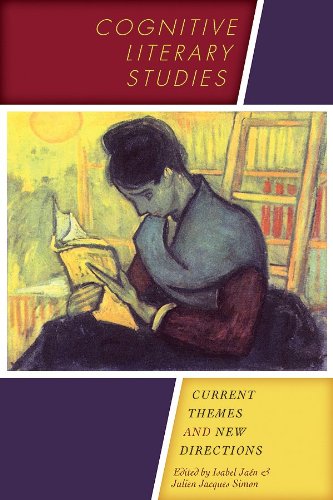
Cognitive Literary Studies: Current Themes and New Directions (Cognitive Approaches to Literature and Culture Series),Used
Sold by Ergodebooks, an authorized reseller.
Returns accepted within 30 days | support@ergodebooks.com
Shipping Information
- Free Standard Shipping — United States only
- Processing Time: 3–5 business days
- Estimated Delivery: 6–10 business days after dispatch
- Double-boxed, fully insured & discreetly packaged
- Tracking number sent via email once dispatched
Returns & Refund
Returns accepted within 30 days of delivery.
Damaged or Defective Item
Free return shipping + replacement or full refund
Wrong Item Received
Free return shipping + replacement or full refund
Change of Mind
Return shipping at customer's expense · 25% restocking fee applies
Payment Option

Product DescriptionOver the past decade, our understanding of the cognition of literature has been transformed by scientific discoveries, such as the mirror neuron system and its role in empathy. Addressing questions such as why we care so deeply about fictional characters, what brain activities are sparked when we read literature, and how literary works and scholarship can inform the cognitive sciences, this book surveys the exciting recent developments in the field of cognitive literary studies and includes contributions from leading scholars in both the humanities and the sciences.Beginning with an overview of the evolution of literary studies, the editors trace the recent shift from poststructuralism and its relativism to a growing interdisciplinary interest in the empirical realm of neuroscience. In illuminating essays that examine the cognitive processes at work when we experience fictional worlds, with findings on the brains creativity sites, this collection also explores the impact of literature on self and society, ending with a discussion on the present and future of the psychology of fiction. Contributors include Literature and the Brain author Norman N. Holland, on the neuroscience of metafiction reflected in Don Quixote; clinical psychologist Aaron Mishara on the neurology of self in the hypnagogic (between waking and sleeping) state and its manifestations in Kafkas stories; and literary scholar Brad Sullivans exploration of Romantic poetry as a didactic tool, applying David Hartleys eighteenthcentury theories of sensory experience.About the AuthorIsabel Jan is Assistant Professor of Spanish at Portland State University.Julien Jacques Simon is Associate Professor of Spanish and French at Indiana University East.
⚠️ WARNING (California Proposition 65):
This product may contain chemicals known to the State of California to cause cancer, birth defects, or other reproductive harm.
For more information, please visit www.P65Warnings.ca.gov.