
Title
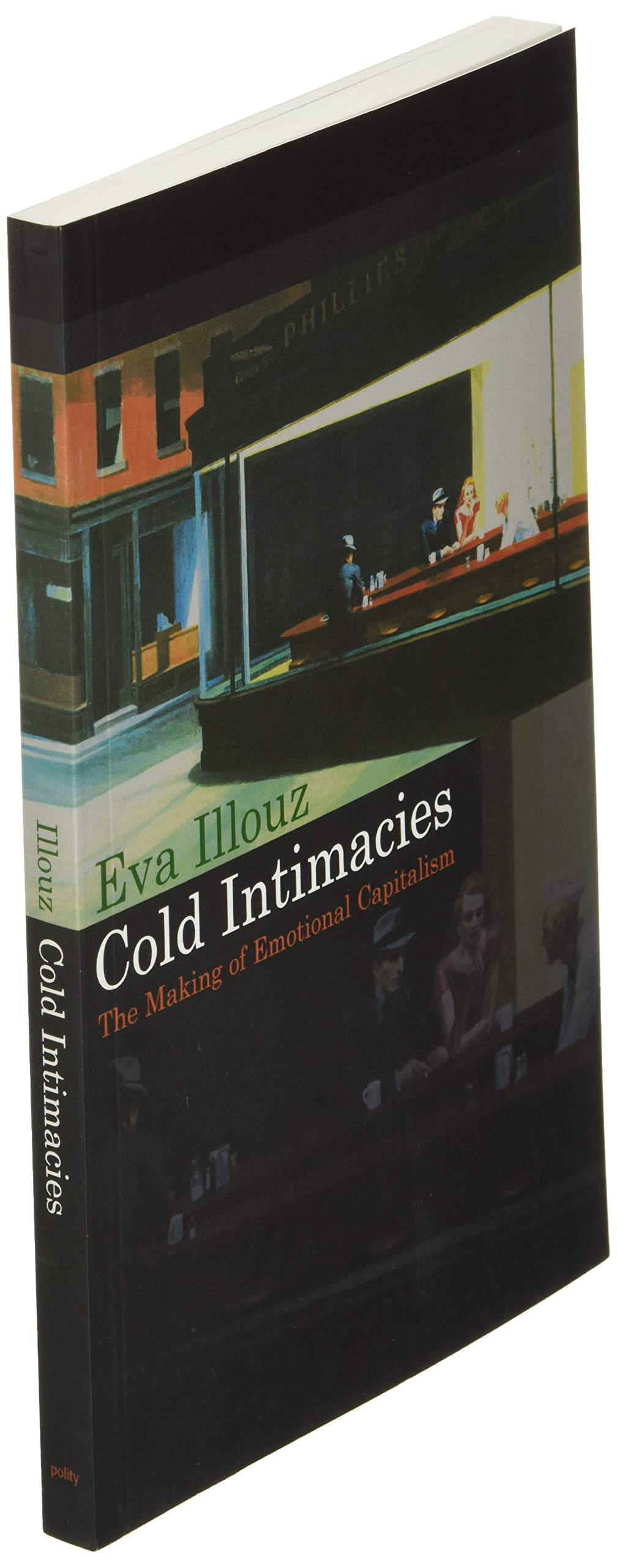
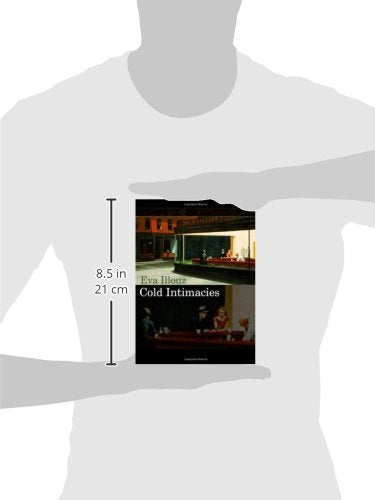
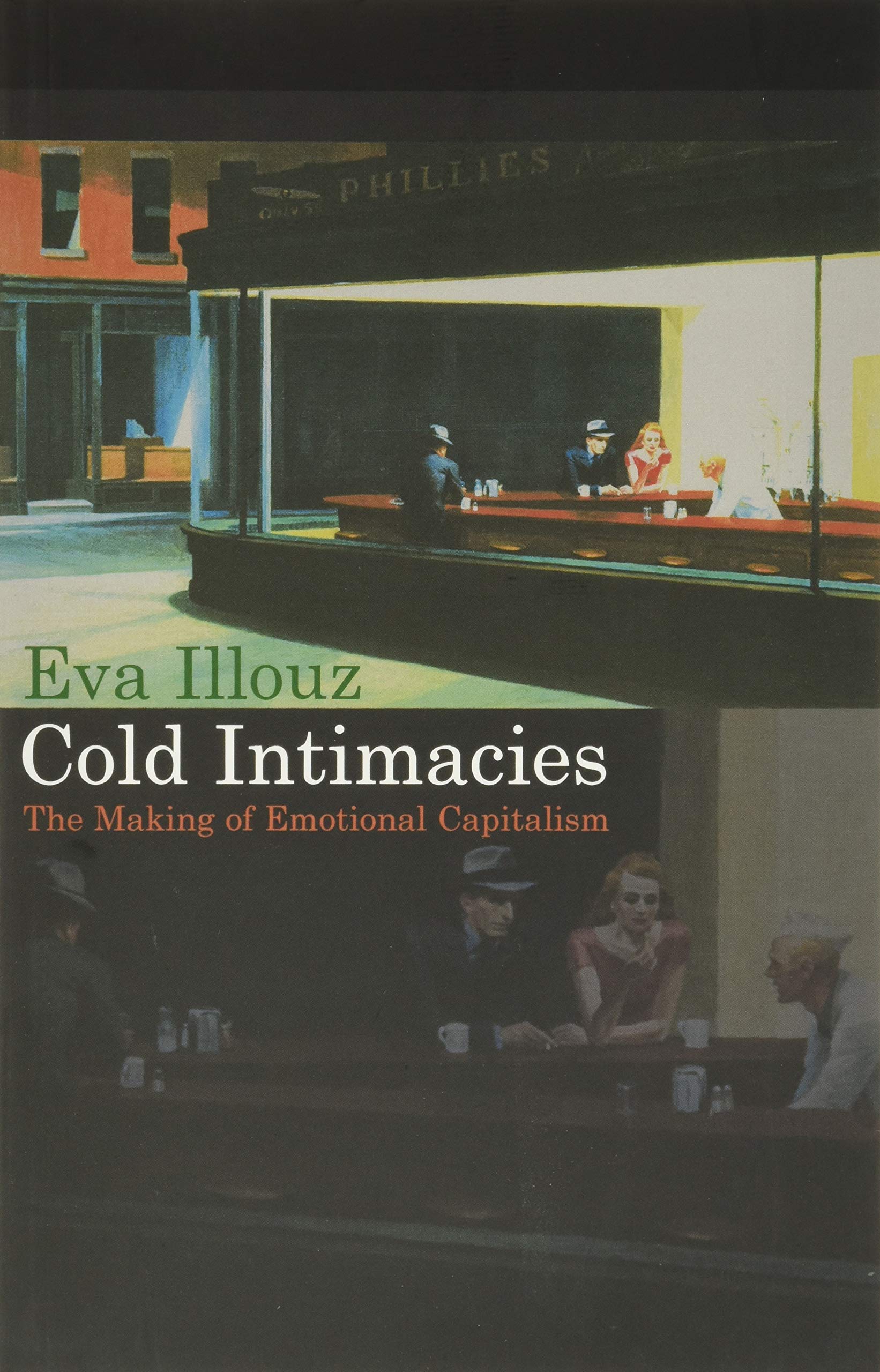
Cold Intimacies: The Making of Emotional Capitalism,Used
Sold by Ergodebooks, an authorized reseller.
Returns accepted within 30 days | support@ergodebooks.com
Shipping Information
- Free Standard Shipping — United States only
- Processing Time: 3–5 business days
- Estimated Delivery: 6–10 business days after dispatch
- Double-boxed, fully insured & discreetly packaged
- Tracking number sent via email once dispatched
Returns & Refund
Returns accepted within 30 days of delivery.
Damaged or Defective Item
Free return shipping + replacement or full refund
Wrong Item Received
Free return shipping + replacement or full refund
Change of Mind
Return shipping at customer's expense · 25% restocking fee applies
Payment Option

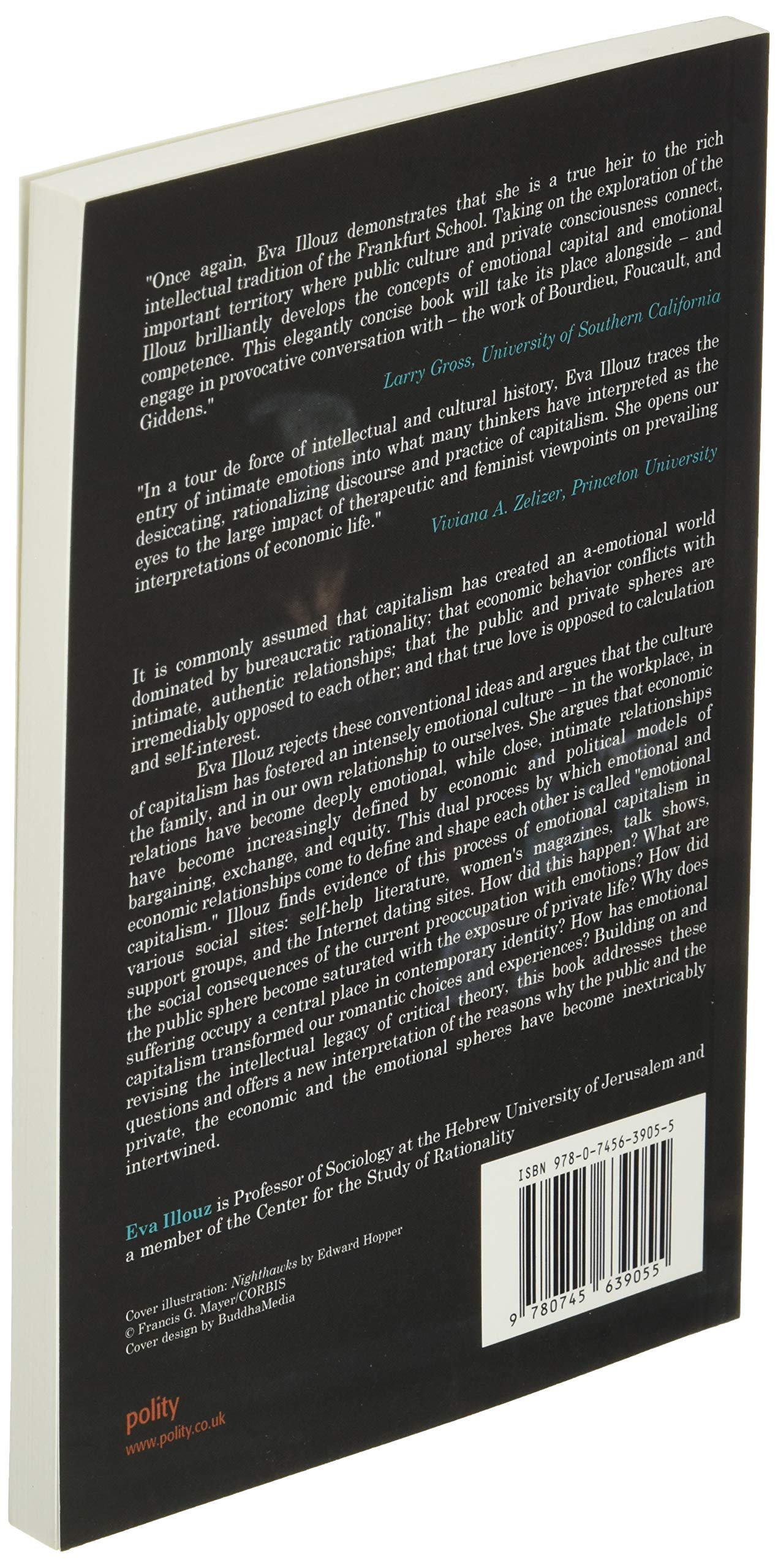
It is commonly assumed that capitalism has created an aemotional world dominated by bureaucratic rationality; that economic behavior conflicts with intimate, authentic relationships; that the public and private spheres are irremediably opposed to each other; and that true love is opposed to calculation and selfinterest.Eva Illouz rejects these conventional ideas and argues that the culture of capitalism has fostered an intensely emotional culture in the workplace, in the family, and in our own relationship to ourselves. She argues that economic relations have become deeply emotional, while close, intimate relationships have become increasingly defined by economic and political models of bargaining, exchange, and equity. This dual process by which emotional and economic relationships come to define and shape each other is called emotional capitalism. Illouz finds evidence of this process of emotional capitalism in various social sites: selfhelp literature, women's magazines, talk shows, support groups, and the Internet dating sites. How did this happen? What are the social consequences of the current preoccupation with emotions? How did the public sphere become saturated with the exposure of private life? Why does suffering occupy a central place in contemporary identity? How has emotional capitalism transformed our romantic choices and experiences? Building on and revising the intellectual legacy of critical theory, this book addresses these questions and offers a new interpretation of the reasons why the public and the private, the economic and the emotional spheres have become inextricably intertwined.
⚠️ WARNING (California Proposition 65):
This product may contain chemicals known to the State of California to cause cancer, birth defects, or other reproductive harm.
For more information, please visit www.P65Warnings.ca.gov.