
Title
Collecting Across Cultures: Material Exchanges in the Early Modern Atlantic World (The Early Modern Americas),Used
Sold by Ergodebooks, an authorized reseller.
Returns accepted within 30 days | support@ergodebooks.com
Shipping Information
- Free Standard Shipping — United States only
- Processing Time: 3–5 business days
- Estimated Delivery: 6–10 business days after dispatch
- Double-boxed, fully insured & discreetly packaged
- Tracking number sent via email once dispatched
Returns & Refund
Returns accepted within 30 days of delivery.
Damaged or Defective Item
Free return shipping + replacement or full refund
Wrong Item Received
Free return shipping + replacement or full refund
Change of Mind
Return shipping at customer's expense · 25% restocking fee applies
Payment Option

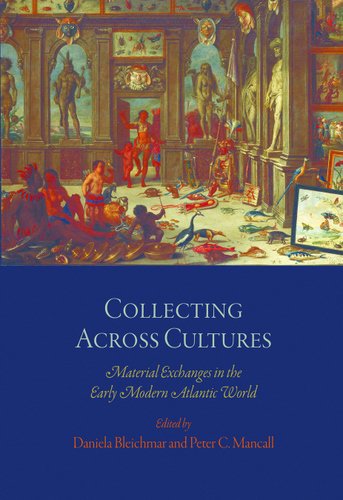
In the early modern age more people traveled farther than at any earlier time in human history. Many returned home with stories of distant lands and at least some of the objects they collected during their journeys. And those who did not travel eagerly acquired wondrous materials that arrived from faraway places. Objects traveled various routespersonal, imperial, missionary, or tradeand moved not only across space but also across cultures.Histories of the early modern global culture of collecting have focused for the most part on European Wunderkammern, or 'cabinets of curiosities.' But the passion for acquiring unfamiliar items rippled across many lands. The court in Java marveled at, collected, and displayed myriad goods brought through its halls. African princes traded captured members of other African groups so they could get the newest kinds of cloth produced in Europe. Native Americans sought colored glass beads made in Europe, often trading them to other indigenous groups. Items changed hands and crossed cultural boundaries frequently, often gaining new and valuable meanings in the process. An object that might have seemed mundane in some cultures could become a target of veneration in another.The fourteen essays in Collecting Across Cultures represent work by an international group of historians, art historians, and historians of science. Each author explores a specific aspect of the crosscultural history of collecting and display from the dawn of the sixteenth century to the early decades of the nineteenth century. As the essays attest, an examination of early modern collecting in crosscultural contexts sheds light on the creative and complicated ways in which objects in collections served to create knowledgesome factual, some fictionalabout distant peoples in an increasingly transnational world.
⚠️ WARNING (California Proposition 65):
This product may contain chemicals known to the State of California to cause cancer, birth defects, or other reproductive harm.
For more information, please visit www.P65Warnings.ca.gov.