
Title
Collecting and Historical Consciousness in Early NineteenthCentury Germany,Used
Sold by Ergodebooks, an authorized reseller.
Returns accepted within 30 days | support@ergodebooks.com
Shipping Information
- Free Standard Shipping — United States only
- Processing Time: 3–5 business days
- Estimated Delivery: 6–10 business days after dispatch
- Double-boxed, fully insured & discreetly packaged
- Tracking number sent via email once dispatched
Returns & Refund
Returns accepted within 30 days of delivery.
Damaged or Defective Item
Free return shipping + replacement or full refund
Wrong Item Received
Free return shipping + replacement or full refund
Change of Mind
Return shipping at customer's expense · 25% restocking fee applies
Payment Option

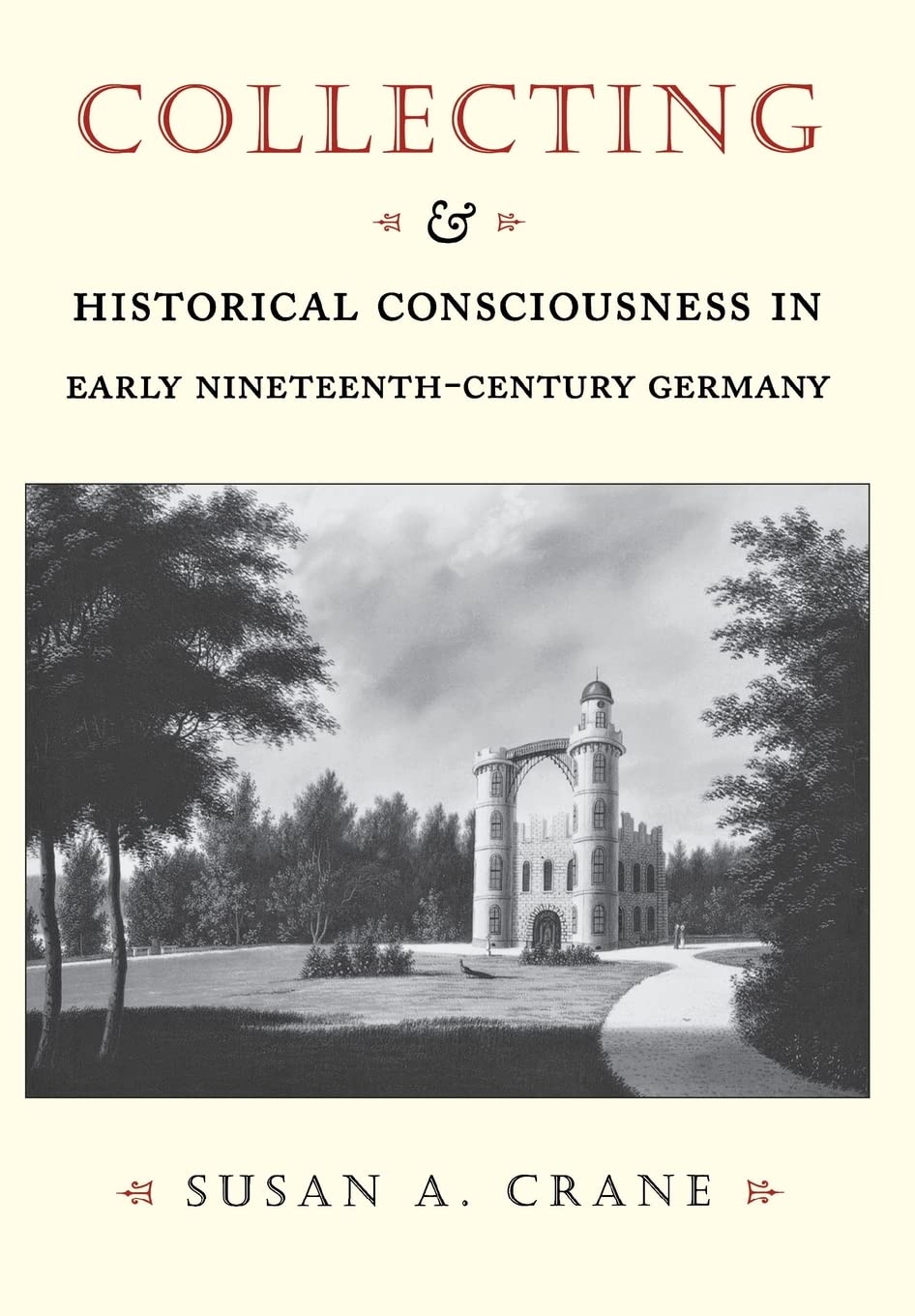
This provocative book challenges longheld assumptions about the nature of historical consciousness in Germany. Susan A. Crane argues that the evermoreelaborate preservation of the historical may actually reduce the likelihood that history can be experienced with the freshness and individuality characteristic of the early collectors and preservationists. Her book is both a study of the emergence in late eighteenth and early nineteenthcentury Germany of a distinctively modern conception of historical consciousness, and a meditation on what was lost as historical thought became institutionalized and professionalized.Public forms of remembering the past which are familiar today, such as historical museums and historical preservation, have surprisingly recent origins. In Germany, caring about the past took on these distinctively new forms after the Napoleonic wars. The Brothers Grimm gathered fairy tales and documented the origins of the German language. Historical preservationists collected documents and artifacts and organized the conservation of cathedrals and other historic buildings. Collectors formed historical societies and created Germany's historical museums. No single national consciousness emerged; instead, many groups used similar means to make different claims about what it meant to have a German past.Although individuals were responsible for stimulating new interest in the past, they chose to band together in voluntary associations to promote collective awareness of German history. In doing so, however, they clashed with academic and political interests and lost control over the very artifacts, collections, and buildings they had saved from ruin. Examining the letters and publications of the amateur collectors, Crane shows how historical consciousness came to be represented in collective termswhether regional or nationaland in effect robbed everyone of the capacity to experience history individually and spontaneously.
⚠️ WARNING (California Proposition 65):
This product may contain chemicals known to the State of California to cause cancer, birth defects, or other reproductive harm.
For more information, please visit www.P65Warnings.ca.gov.