
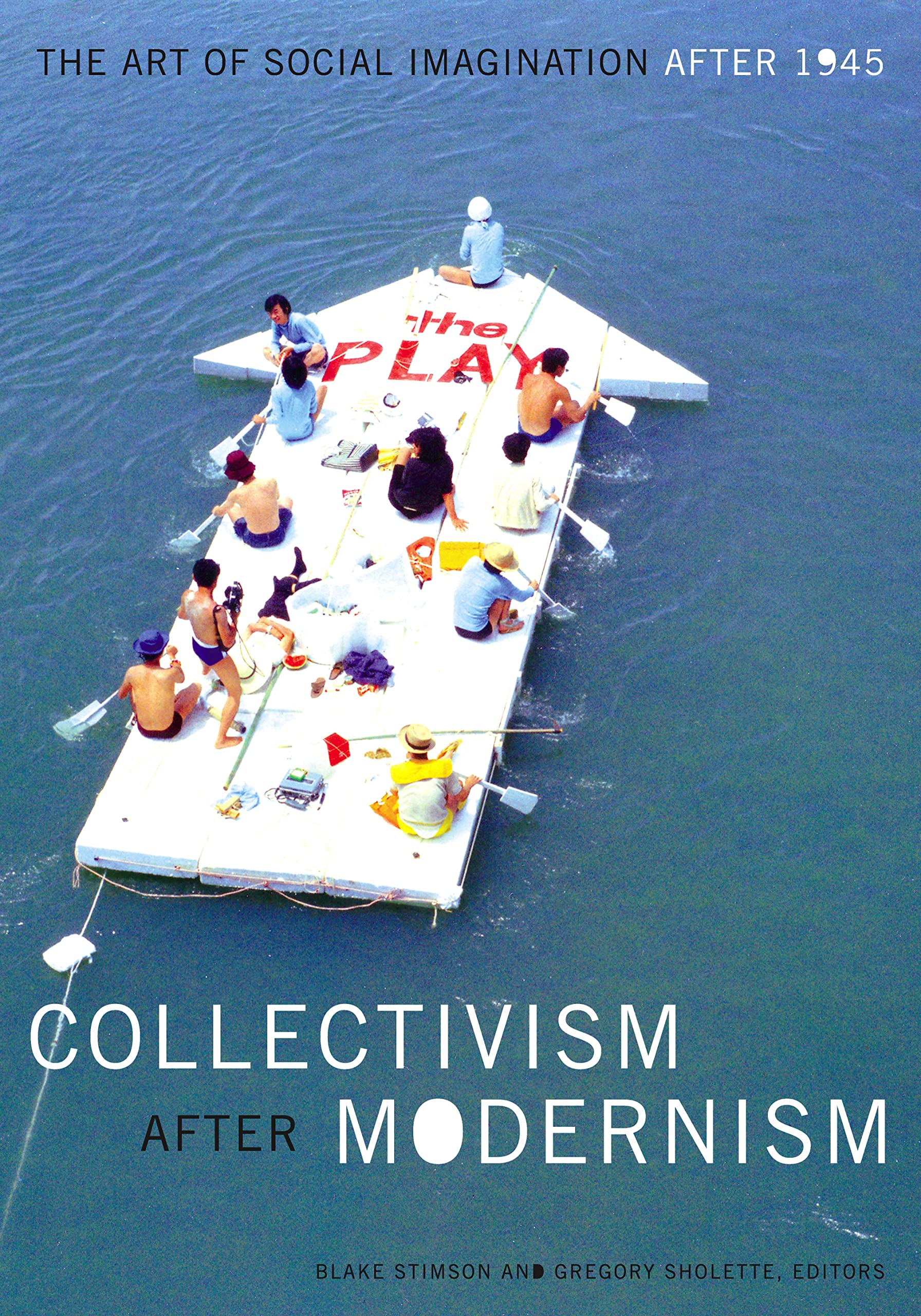
Collectivism After Modernism: The Art Of Social Imagination After 1945,Used
$17.06
Title
Collectivism After Modernism: The Art Of Social Imagination After 1945,Used
Free Standard Shipping Across USA
Quantity
Sold by Ergodebooks, an authorized reseller.
Returns accepted within 30 days | support@ergodebooks.com
Shipping Information
- Free Standard Shipping — United States only
- Processing Time: 3–5 business days
- Estimated Delivery: 6–10 business days after dispatch
- Double-boxed, fully insured & discreetly packaged
- Tracking number sent via email once dispatched
Returns & Refund
Returns accepted within 30 days of delivery.
Damaged or Defective Item
Free return shipping + replacement or full refund
Wrong Item Received
Free return shipping + replacement or full refund
Change of Mind
Return shipping at customer's expense · 25% restocking fee applies
All returns require a Return Authorization (RA) number before sending.
View Full Return & Refund Policy
Payment Option

Collectivism After Modernism: The Art Of Social Imagination After 1945
⚠️ WARNING (California Proposition 65):
This product may contain chemicals known to the State of California to cause cancer, birth defects, or other reproductive harm.
For more information, please visit www.P65Warnings.ca.gov.
- Q: How many pages does the book 'Collectivism after Modernism' have? A: This book has three hundred and four pages. It provides an in-depth exploration of post-war artistic collectives.
- Q: What binding type is used for 'Collectivism after Modernism'? A: The book is available in paperback binding. This makes it lightweight and easy to handle for readers.
- Q: What are the dimensions of 'Collectivism after Modernism'? A: The book measures seven point zero one inches in length, zero point seven one inches in width, and ten inches in height. These dimensions make it a standard-sized book.
- Q: Who are the authors of 'Collectivism after Modernism'? A: The book is authored by Blake Stimson and Gregory Sholette. Both authors have significant expertise in art history and collective practice.
- Q: What category does 'Collectivism after Modernism' fall under? A: This book falls under the category of Criticism. It addresses themes related to art and social movements.
- Q: Is 'Collectivism after Modernism' suitable for academic study? A: Yes, this book is suitable for academic study. It engages with important themes in contemporary art and cultural collaboration.
- Q: Can 'Collectivism after Modernism' be read by beginners? A: Yes, the book can be read by beginners interested in art theory. It offers accessible discussions on various art collectives.
- Q: How can I engage with the themes of 'Collectivism after Modernism'? A: Readers can engage with its themes by reflecting on the role of collectives in art. The essays encourage critical thinking about collaboration.
- Q: What are the key themes discussed in 'Collectivism after Modernism'? A: Key themes include the history of art collectives, collaboration in art, and the impact of technology on artistic practices. These themes are essential for understanding contemporary art.
- Q: How should I care for my copy of 'Collectivism after Modernism'? A: To care for your copy, store it in a cool, dry place away from direct sunlight. This will help maintain the book's condition over time.
- Q: Is 'Collectivism after Modernism' appropriate for young adults? A: Yes, this book is appropriate for young adults. It provides valuable insights into the complexities of modern artistic practices.
- Q: What should I do if my copy of 'Collectivism after Modernism' arrives damaged? A: If your copy arrives damaged, contact the seller for a return or exchange. Most sellers have policies in place for such situations.
- Q: Can I find specific essays by different contributors in 'Collectivism after Modernism'? A: Yes, the book features essays by various contributors. Each essay offers unique perspectives on collectivism and art.
- Q: Does 'Collectivism after Modernism' include illustrations or images? A: No, 'Collectivism after Modernism' does not primarily focus on illustrations. It emphasizes text-based analysis of artistic practices.
- Q: What is the primary audience for 'Collectivism after Modernism'? A: The primary audience includes art historians, students, and anyone interested in contemporary art practices. Its critical approach appeals to a diverse readership.