
Title
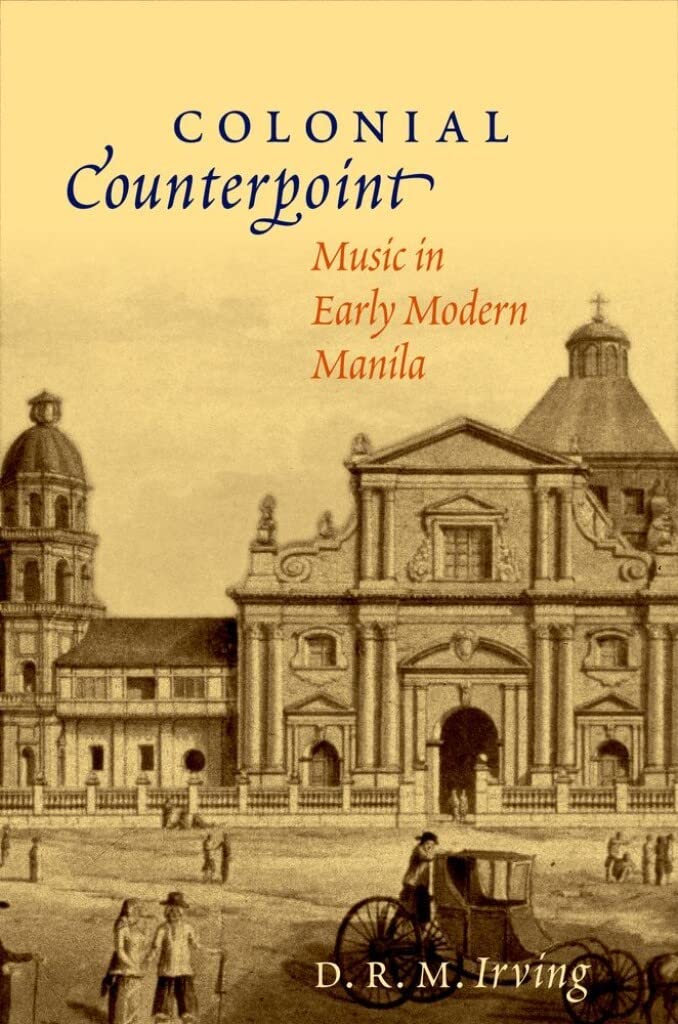
Colonial Counterpoint: Music In Early Modern Manila (Currents In Latin American And Iberian Music),Used
Processing time: 1-3 days
US Orders Ships in: 3-5 days
International Orders Ships in: 8-12 days
Return Policy: 15-days return on defective items
Payment Option

Named One Of Bbc History Magazine'S 'Books Of The Year' In 2010In This Groundbreaking Study, D. R. M. Irving Reconnects The Philippines To Current Musicological Discourse On The Early Modern Hispanic World. For Some Two And A Half Centuries, The Philippine Islands Were Firmly Interlinked To Latin America And Spain Through Transoceanic Relationships Of Politics, Religion, Trade, And Culture. The City Of Manila, Founded In 1571, Represented A Vital Intercultural Nexus And A Significant Conduit For The Regional Diffusion Of Western Music. Within Its Ethnically Diverse Society, Imported And Local Musics Played A Crucial Role In The Establishment Of Ecclesiastical Hierarchies In The Philippines And In Propelling The Work Of Roman Catholic Missionaries In Neighboring Territories. Manila'S Religious Institutions Resounded With Sumptuous Vocal And Instrumental Performances, While An Annual Calendar Of Festivities Brought Together Many Musical Traditions Of The Indigenous And Immigrant Populations In Complex Forms Of Artistic Interaction And Opposition.Multiple Styles And Genres Coexisted According To Strict Regulations Enforced By State And Ecclesiastical Authorities, And Irving Uses The Metaphors Of European Counterpoint And Enharmony To Critique Musical Practices Within The Colonial Milieu. He Argues That The Introduction And Institutionalization Of Counterpoint Acted As A Powerful Agent Of Colonialism Throughout The Philippine Archipelago, And That Contrapuntal Structures Were Reflected In The Social And Cultural Reorganization Of Filipino Communities Under Spanish Rule. He Also Contends That The Active Appropriation Of Music And Dance By The Indigenous Population Constituted A Significant Contribution To The Process Of Hispanization. Sustained 'Enharmonic Engagement' Between Filipinos And Spaniards Led To The Synthesis Of Hybrid, Syncretic Genres And The Emergence Of Performance Styles That Could Contest And Subvert Hegemony. Throwing New Light On A Virtually Unknown Area Of Music History, This Book Contributes To Current Understanding Of The Globalization Of Music, And Repositions The Philippines At The Frontiers Of Research Into Early Modern Intercultural Exchange.
⚠️ WARNING (California Proposition 65):
This product may contain chemicals known to the State of California to cause cancer, birth defects, or other reproductive harm.
For more information, please visit www.P65Warnings.ca.gov.
- Q: How many pages does the book have? A: This book has four hundred eight pages. It provides a comprehensive exploration of music in early modern Manila.
- Q: What is the binding type of this book? A: The book is hardcover. This durable binding ensures longevity and protection for the pages inside.
- Q: Who is the author of this book? A: The author is D. R. M. Irving. He is recognized for his research on music in the colonial context of the Philippines.
- Q: What genre does this book belong to? A: This book is classified as International music history. It focuses on the musical traditions of early modern Manila.
- Q: Is this book suitable for academic use? A: Yes, the book is suitable for academic use. Its thorough research and scholarly approach make it ideal for students and researchers.
- Q: What themes are explored in this book? A: The book explores themes of colonialism, musicology, and cultural exchange. It highlights the interplay between Filipino and Spanish cultures.
- Q: How should I store this book? A: Store the book upright on a shelf to maintain its shape. Avoid placing heavy items on top to prevent damage.
- Q: Can I clean the book's cover? A: Yes, you can wipe the cover with a soft, dry cloth. Avoid using water or cleaning solutions to prevent damage to the material.
- Q: What if the book arrives damaged? A: If the book arrives damaged, you should contact customer support immediately. Most sellers will offer a return or exchange policy.
- Q: Is this book appropriate for high school students? A: Yes, the book is appropriate for high school students. It provides valuable insights into music history that can enhance their studies.
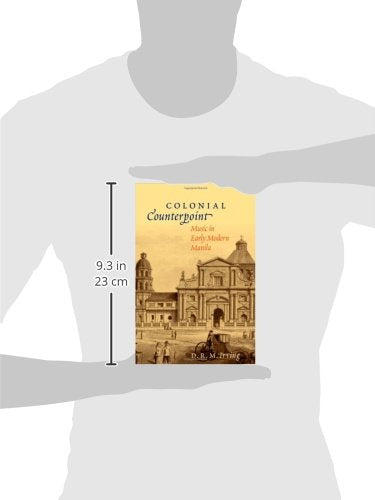
- Q: What are the dimensions of this book? A: The book measures nine point three inches in length, six point four two inches in height, and one point four two inches in width.
- Q: Does this book include illustrations or images? A: No, this book does not specify any illustrations or images. It primarily focuses on text and musical analysis.
- Q: What is the publication date of this book? A: The book was published in two thousand ten. It has been recognized as a significant contribution to music history.
- Q: Is this book part of a series? A: No, this book is not part of a series. It stands alone as a comprehensive study of its subject.
- Q: Is there a digital version available? A: The availability of a digital version may vary. Check with the publisher or retailer for options in eBook format.