
Title


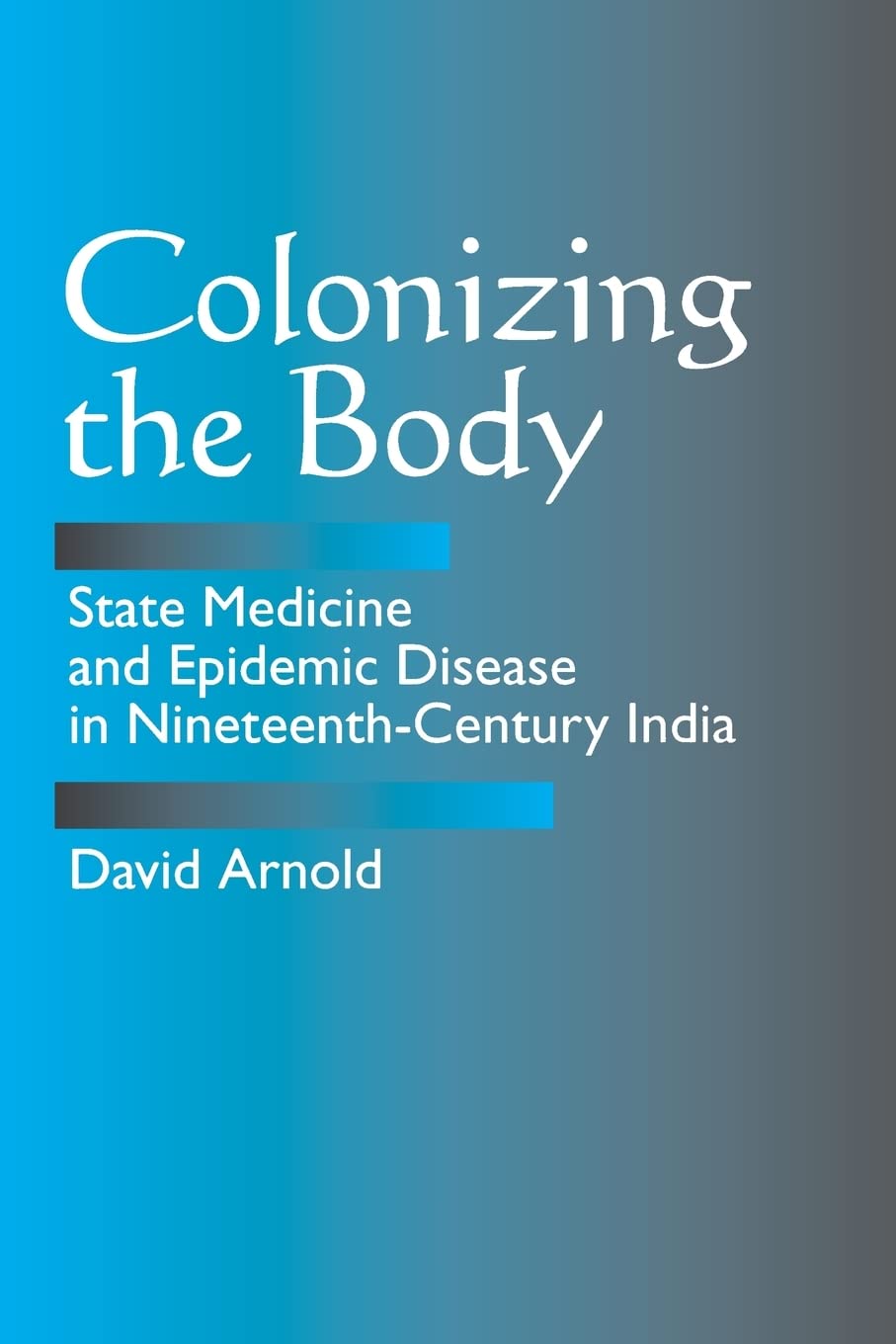
Colonizing The Body: State Medicine And Epidemic Disease In Nineteenthcentury India
Sold by Ergodebooks, an authorized reseller.
Returns accepted within 30 days | support@ergodebooks.com
Shipping Information
- Free Standard Shipping — United States only
- Processing Time: 3–5 business days
- Estimated Delivery: 6–10 business days after dispatch
- Double-boxed, fully insured & discreetly packaged
- Tracking number sent via email once dispatched
Returns & Refund
Returns accepted within 30 days of delivery.
Damaged or Defective Item
Free return shipping + replacement or full refund
Wrong Item Received
Free return shipping + replacement or full refund
Change of Mind
Return shipping at customer's expense · 25% restocking fee applies
Payment Option

In This Innovative Analysis Of Medicine And Disease In Colonial India, David Arnold Explores The Vital Role Of The State In Medical And Public Health Activities, Arguing That Western Medicine Became A Critical Battleground Between The Colonized And The Colonizers.Focusing On Three Major Epidemic Diseasessmallpox, Cholera, And Plaguearnold Analyzes The Impact Of Medical Interventionism. He Demonstrates That Western Medicine As Practiced In India Was Not Simply Transferred From West To East, But Was Also Fashioned In Response To Local Needs And Indian Conditions.By Emphasizing This Colonial Dimension Of Medicine, Arnold Highlights The Centrality Of The Body To Political Authority In British India And Shows How Medicine Both Influenced And Articulated The Intrinsic Contradictions Of Colonial Rule.
⚠️ WARNING (California Proposition 65):
This product may contain chemicals known to the State of California to cause cancer, birth defects, or other reproductive harm.
For more information, please visit www.P65Warnings.ca.gov.
- Q: What is the page count of this book? A: This book has three hundred sixty-eight pages. It's a comprehensive exploration of medicine and disease in colonial India.
- Q: What are the dimensions of this book? A: The book measures six inches in length, zero point eight inches in width, and nine point zero two inches in height. Its size makes it convenient for reading.
- Q: What type of binding does this book have? A: This book is available in paperback binding. This offers flexibility and ease of handling while reading.
- Q: Who is the author of this book? A: The author is David Arnold. He provides an innovative analysis of state medicine and epidemic diseases in nineteenth-century India.
- Q: What genre does this book belong to? A: This book falls under the category of historical analysis. It discusses colonial medicine and its impact on society.
- Q: Is this book suitable for academic study? A: Yes, this book is suitable for academic study. It provides in-depth analysis and insights into colonial medicine and public health.
- Q: How can I best approach reading this book? A: You can approach this book by first exploring the historical context of nineteenth-century India. This will enhance your understanding of the themes presented.
- Q: Is this book appropriate for casual readers? A: Yes, casual readers can enjoy this book. Its narrative style makes complex themes accessible to a wider audience.
- Q: What themes are explored in this book? A: The book explores themes of colonialism, medicine, and public health. It highlights the interplay between state authority and medical practices.
- Q: How should I store this book? A: Store this book in a cool, dry place. Keep it upright on a shelf to avoid bending or damaging the spine.
- Q: Can I clean the book if it gets dirty? A: Yes, you can gently wipe the cover with a soft, dry cloth. Avoid using water or cleaning solutions to protect the book's material.
- Q: What if the book arrives damaged? A: If the book arrives damaged, contact customer support immediately. They will guide you through the return or replacement process.
- Q: What is the return policy for this book? A: The return policy typically allows returns within thirty days of purchase. Verify specific details with the seller.
- Q: Is there a warranty on this book? A: Books generally do not come with a warranty. However, check with the retailer for any guarantees they may offer.
- Q: How does this book compare to other historical analyses? A: This book provides a unique perspective by focusing on colonial India. It distinguishes itself through its examination of state medicine and public health.
- Q: Is this book a good choice for someone studying public health? A: Yes, this book is an excellent choice for public health students. It offers critical insights into the relationship between medicine and colonial governance.