
Title


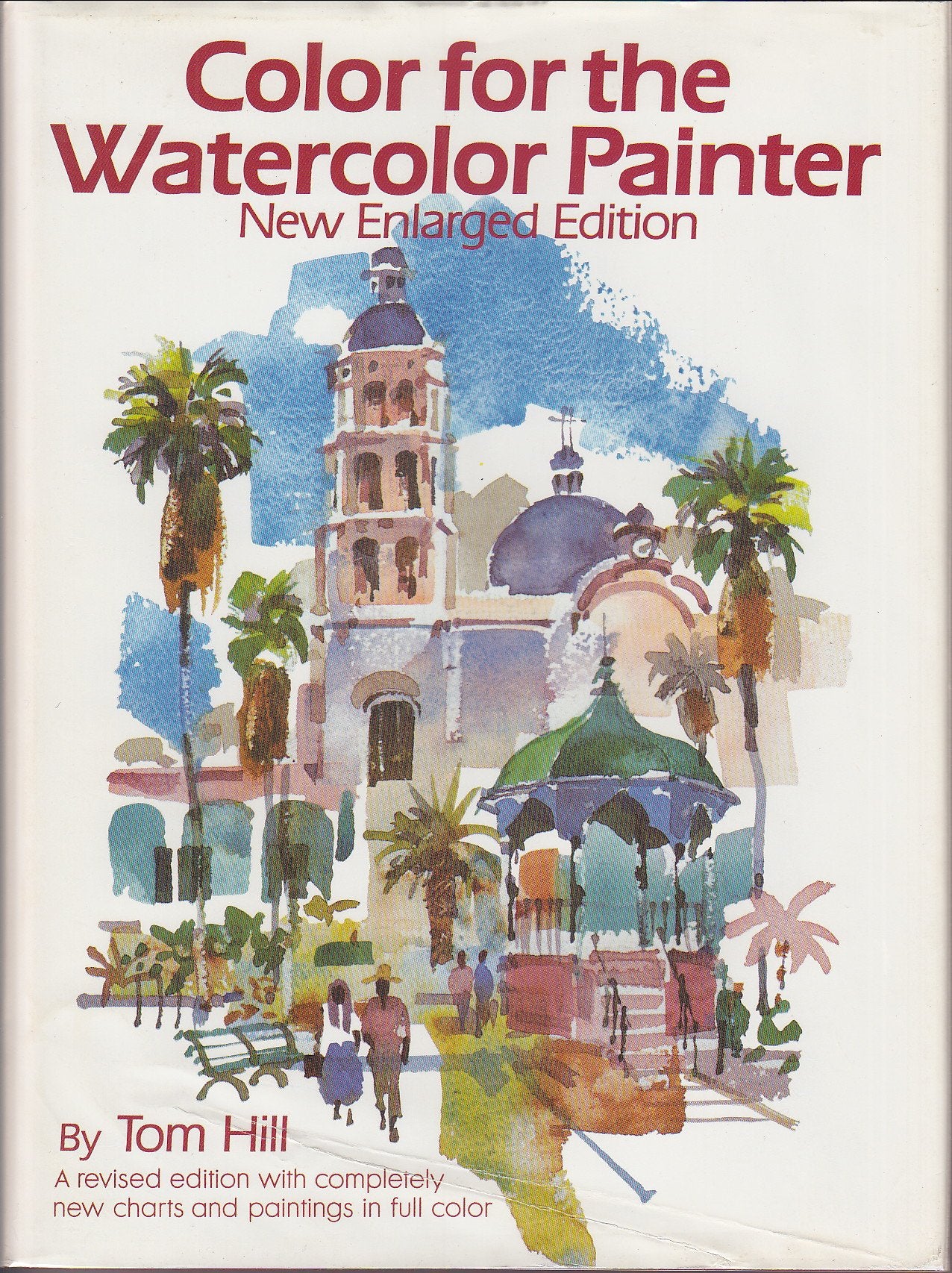
Color for the Watercolor Painter, New Enlarged Edition,Used
Sold by Ergodebooks, an authorized reseller.
Returns accepted within 30 days | support@ergodebooks.com
Shipping Information
- Free Standard Shipping — United States only
- Processing Time: 3–5 business days
- Estimated Delivery: 6–10 business days after dispatch
- Double-boxed, fully insured & discreetly packaged
- Tracking number sent via email once dispatched
Returns & Refund
Returns accepted within 30 days of delivery.
Damaged or Defective Item
Free return shipping + replacement or full refund
Wrong Item Received
Free return shipping + replacement or full refund
Change of Mind
Return shipping at customer's expense · 25% restocking fee applies
Payment Option

Because watercolor is unique in so many ways transparency, rapid drying time, behavior in mixtures, and tendencey to produce fascinating 'accidents' color is always a special challenge to the watercolorist. Working in this highspeed medium, the painter cannot hesitate, and he rarely gets a chance to change his mind. He must know how his colors will behave before he starts. Now, the noted western watercolorist Tom Hill has revised his highly successful book Color for the Watercolor Painter. The new material is of the same high quality as that in the first edition. He reviews basic materials, tools, and watercolor techniques, discusses color theory in simple downtoearth terms, and evaluates the most useful tube colors, describing how each color behaves and how best to use it. He describes how to achieve textural effects, how to mix colors, how to choose color palettes (warm, cool, lowkey, highkey, tonal, minimum) for various purposes and how to create the effects of distance and atmosphere through color. And in a series of fullcolor stepbystep demonstration projects, he illustrates how to use color effectively in landscapes, seascapes, floral paintings, portraits, and figure paintings. In addition, the revised edition contains 32 completely new fullcolor pages in which Hill discusses color intensity versus color value, how to mix different complements, opacity versus transparency, and relationships of warm and cool, warm and warm, and cool and cool. He also describes mixing with a minimum number of colors, mixing color while painting, graying colors, intensifying colors, staining and tinting, painting with just two colors, and bouncing colors (picking up reflected light).
⚠️ WARNING (California Proposition 65):
This product may contain chemicals known to the State of California to cause cancer, birth defects, or other reproductive harm.
For more information, please visit www.P65Warnings.ca.gov.