
Title


Color Problems: A Practical Manual for the Lay Student of Color,Used
Sold by Ergodebooks, an authorized reseller.
Returns accepted within 30 days | support@ergodebooks.com
Shipping Information
- Free Standard Shipping — United States only
- Processing Time: 3–5 business days
- Estimated Delivery: 6–10 business days after dispatch
- Double-boxed, fully insured & discreetly packaged
- Tracking number sent via email once dispatched
Returns & Refund
Returns accepted within 30 days of delivery.
Damaged or Defective Item
Free return shipping + replacement or full refund
Wrong Item Received
Free return shipping + replacement or full refund
Change of Mind
Return shipping at customer's expense · 25% restocking fee applies
Payment Option

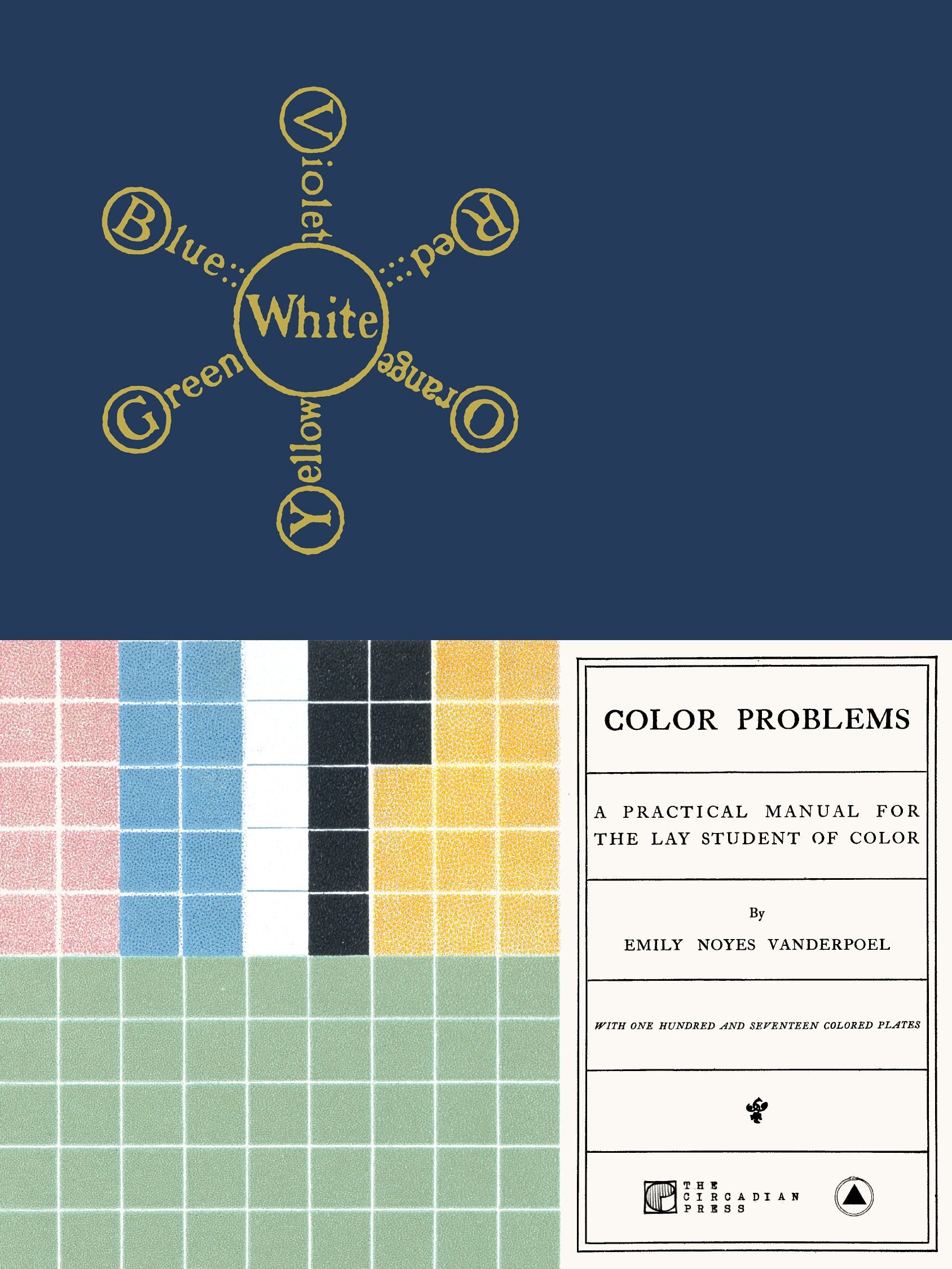
Originally published in 1902, Color Problems examines the theory of color in 117 conceptual plates by Emily Noyes Vanderpoel.Emily Noyes Vanderpoel (18421939) was an artist, collector, scholar, and historian working at the dawn of the 20th century. Her first and most prominent work, Color Problems: A Practical Manual for the Lay Student of Color, provides a comprehensive overview of the main ideas of color theory at the time, as well as her wildly original approaches to color analysis and interaction. Through a 21st century lens, she appears to stumble upon midcentury design and minimalism decades prior to those movements.Presenting her work as a painting manual under the guise and genre of flower painting and the decorative arts subjects considered ?appropriate? for a woman of her timeshe was able to present a thoroughly studied, yet uniquely poetic, approach to color theory that was later taken up and popularized by men and became ubiquitous in contemporary art departments.Her remarkable inventiveness shines in a series of gridded squares, each 10 x 10, that analyze the proportions of color derived from actual objects: Assyrian tiles, Persian rugs, an Egyptian mummy case, and even a teacup and saucer. Vanderpoel had a deep knowledge of ceramics and analyzed many pieces from her personal collection. She leaves her process relatively mysterious but what is clear, as historian and science blogger John Ptak notes, is that Vanderpoel ?sought not so much to analyze the components of color itself, but rather to quantify the overall interpretative effect of color on the imagination?.
⚠️ WARNING (California Proposition 65):
This product may contain chemicals known to the State of California to cause cancer, birth defects, or other reproductive harm.
For more information, please visit www.P65Warnings.ca.gov.