
Title
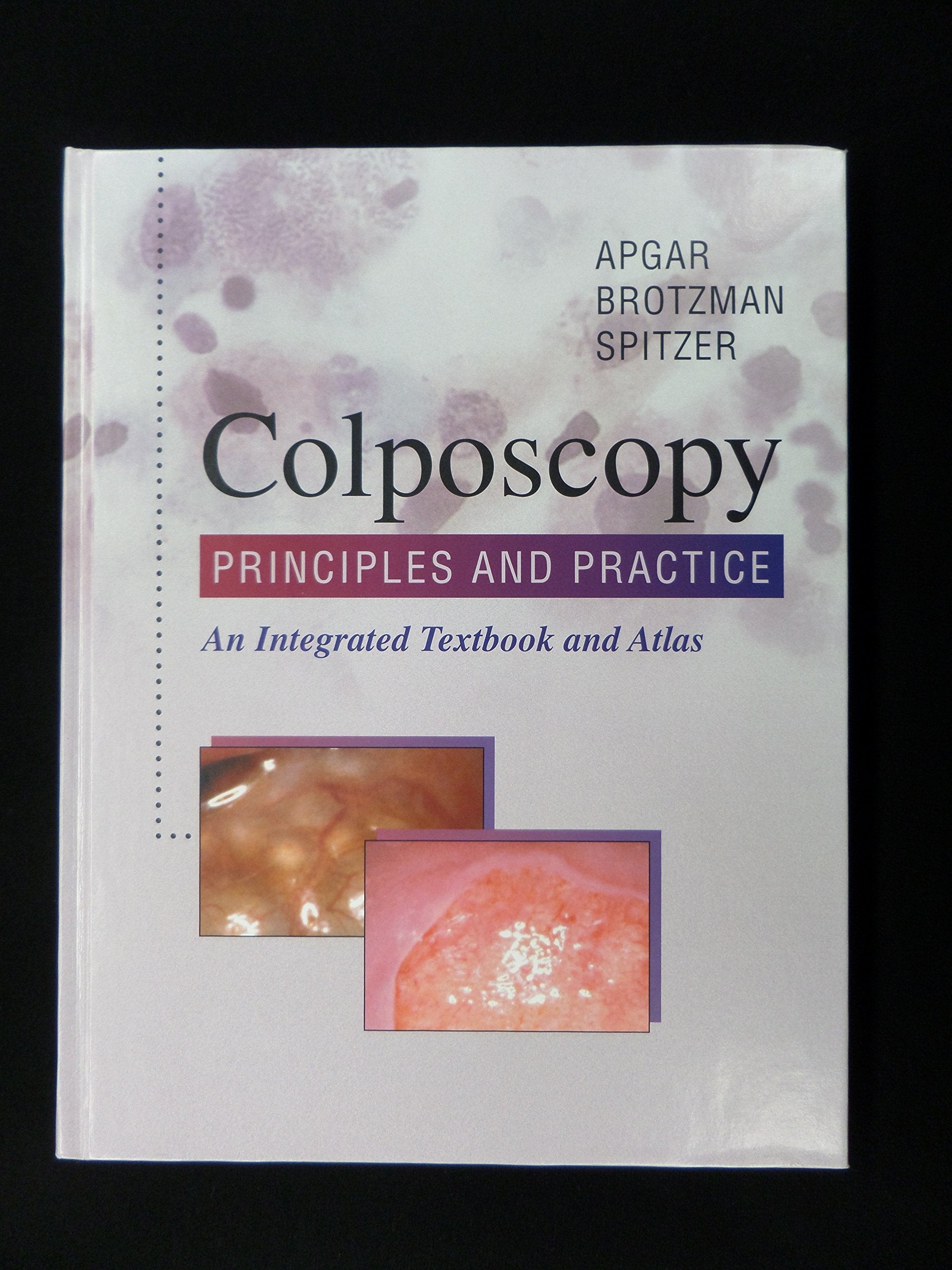
Colposcopy: Principles and Practice: An Integrated Textbook and Atlas,Used
Sold by Ergodebooks, an authorized reseller.
Returns accepted within 30 days | support@ergodebooks.com
Shipping Information
- Free Standard Shipping — United States only
- Processing Time: 3–5 business days
- Estimated Delivery: 6–10 business days after dispatch
- Double-boxed, fully insured & discreetly packaged
- Tracking number sent via email once dispatched
Returns & Refund
Returns accepted within 30 days of delivery.
Damaged or Defective Item
Free return shipping + replacement or full refund
Wrong Item Received
Free return shipping + replacement or full refund
Change of Mind
Return shipping at customer's expense · 25% restocking fee applies
Payment Option

This richly illustrated textbook and atlas brings together highquality, colour colpophotographs that highlight all the variations seen in colposcopic practice. Its unique organisation allows readers to easily see correlations between cytology, colposcopy, and histology, just as they would need to infer when examining patients. Each chapter addresses a specific topic, from basic science to clinical colposcopy, written and edited by a wellknown, recognised expert on that subject. Atlas images are incorporated into the text alongside relevant discussions, and descriptive graphics clarify topics such as low and high grade CIN, and cancer and glandular lesions. Easytoread bulleted information throughout the chapters emphasise key points and allow readers to quickly locate the information they need. Multiple authors represent a collaboration of the best and most prestigious investigators and clinicians in the field, writing on their individual areas of expertise. Many highquality, color colpophotographs promote critical pattern recognition skills that are fundamental to clinical practice. Bullet points throughout the chapters allow readers to quickly scan the text and save time when referencing a specific topic of interest. A list of key points at the end of the chapter serves as a brief summary and review of essential information. Sample cases illustrate important concepts in a clinically relevant context. The unique layout presents colposcopy, cytology, and histology pages in a format that makes correlations easy to see and understand. Patient management is outlined in clear, unambiguous terms, including practical, evidencebased algorithms for virtually all possible scenarios.
⚠️ WARNING (California Proposition 65):
This product may contain chemicals known to the State of California to cause cancer, birth defects, or other reproductive harm.
For more information, please visit www.P65Warnings.ca.gov.
- Q: What is the primary focus of 'Colposcopy: Principles and Practice'? A: 'Colposcopy: Principles and Practice' is primarily focused on providing a comprehensive understanding of colposcopy, integrating high-quality visuals and expert commentary on the correlations between cytology, colposcopy, and histology.
- Q: Who is the author of this textbook? A: The textbook is authored by Barbara S. Apgar MD MS, a recognized expert in the field of colposcopy.
- Q: How many pages does this book contain? A: 'Colposcopy: Principles and Practice' contains a total of 512 pages, making it a detailed resource for practitioners.
- Q: What type of binding does this book have? A: This book is bound in hardcover, providing durability and a professional appearance.
- Q: When was this textbook published? A: 'Colposcopy: Principles and Practice' was published on February 22, 2002.
- Q: What condition is the book in if it's labeled 'Used Book in Good Condition'? A: The book is in good condition, indicating that it has been previously used but is still functional with no major damages.
- Q: What unique features does this textbook offer? A: The textbook features high-quality color colpophotographs, bullet-point summaries for quick reference, and sample cases to illustrate important concepts in a clinical context.
- Q: Is this book suitable for beginners in the field of colposcopy? A: Yes, the structured layout and clear explanations make it suitable for both beginners and experienced practitioners looking to enhance their understanding of colposcopy.
- Q: Does the textbook include patient management guidelines? A: Yes, it outlines patient management in clear terms and includes practical, evidence-based algorithms for various clinical scenarios.
- Q: What topics are covered in the chapters of this textbook? A: Chapters cover a range of topics from basic science to clinical applications in colposcopy, addressing essential aspects such as low and high-grade CIN, cancer, and glandular lesions.