
Title
Comics, Trauma, and the New Art of War,Used
Sold by Ergodebooks, an authorized reseller.
Returns accepted within 30 days | support@ergodebooks.com
Shipping Information
- Free Standard Shipping — United States only
- Processing Time: 3–5 business days
- Estimated Delivery: 6–10 business days after dispatch
- Double-boxed, fully insured & discreetly packaged
- Tracking number sent via email once dispatched
Returns & Refund
Returns accepted within 30 days of delivery.
Damaged or Defective Item
Free return shipping + replacement or full refund
Wrong Item Received
Free return shipping + replacement or full refund
Change of Mind
Return shipping at customer's expense · 25% restocking fee applies
Payment Option

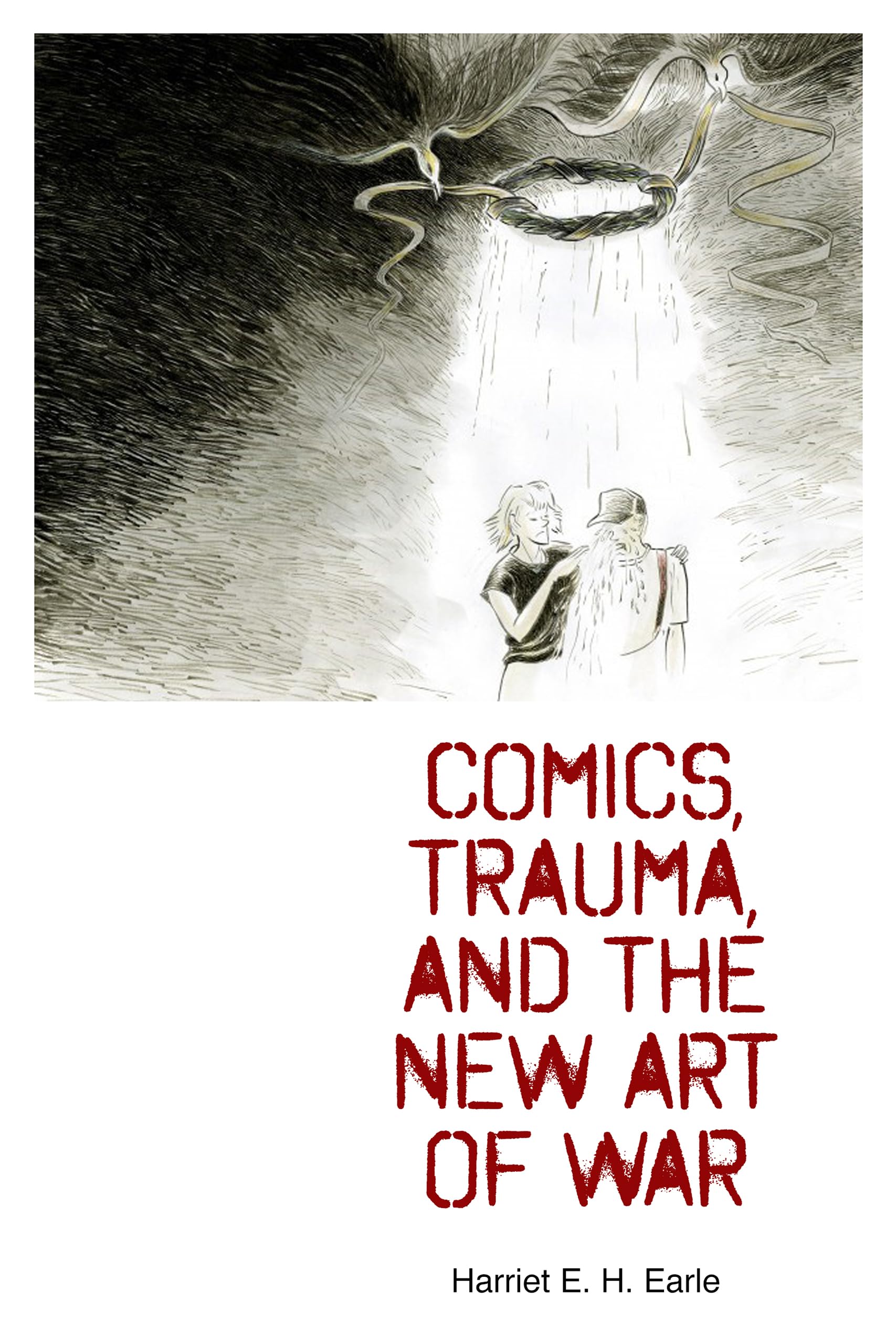
Conflict and trauma remain among the most prevalent themes in film and literature. Comics has never avoided such narratives, and comics artists are writing them in ways that are both different from and complementary to literature and film. Harriet E. H. Earle brings together two distinct areas of researchtrauma studies and comics studiesto provide a new interpretation of a longstanding theme. Focusing on representations of conflict in American comics after the Vietnam War, Earle claims that the comics form is uniquely able to show traumatic experience by representing events as viscerally as possible.Using texts from across the form and placing mainstream superhero comics alongside alternative and art comics, Earle suggests that comics are the ideal artistic representation of trauma. Because comics bridge the gap between the visual and the written, they represent such complicated narratives as loss and trauma in unique ways, particularly through the manipulation of time and experience. Comics can fold time and confront traumatic events, be they personal or shared, through a myriad of both literary and visual devices. As a result, comics can represent trauma in ways that are unavailable to other narrative and artistic forms.With themes such as dreams and mourning, Earle concentrates on trauma in American comics after the Vietnam War. Examples include Alissa Torress American Widow, Doug Murrays The Nam, and Art Spiegelmans muchlauded Maus. These works pair with ideas from a wide range of thinkers, including Sigmund Freud, Mikhail Bakhtin, and Fredric Jameson, as well as contemporary trauma theory and clinical psychology. Through these examples and others, Comics, Trauma, and the New Art of War proves that comics open up new avenues to explore personal and public trauma in extraordinary, necessary ways.
⚠️ WARNING (California Proposition 65):
This product may contain chemicals known to the State of California to cause cancer, birth defects, or other reproductive harm.
For more information, please visit www.P65Warnings.ca.gov.