
Title
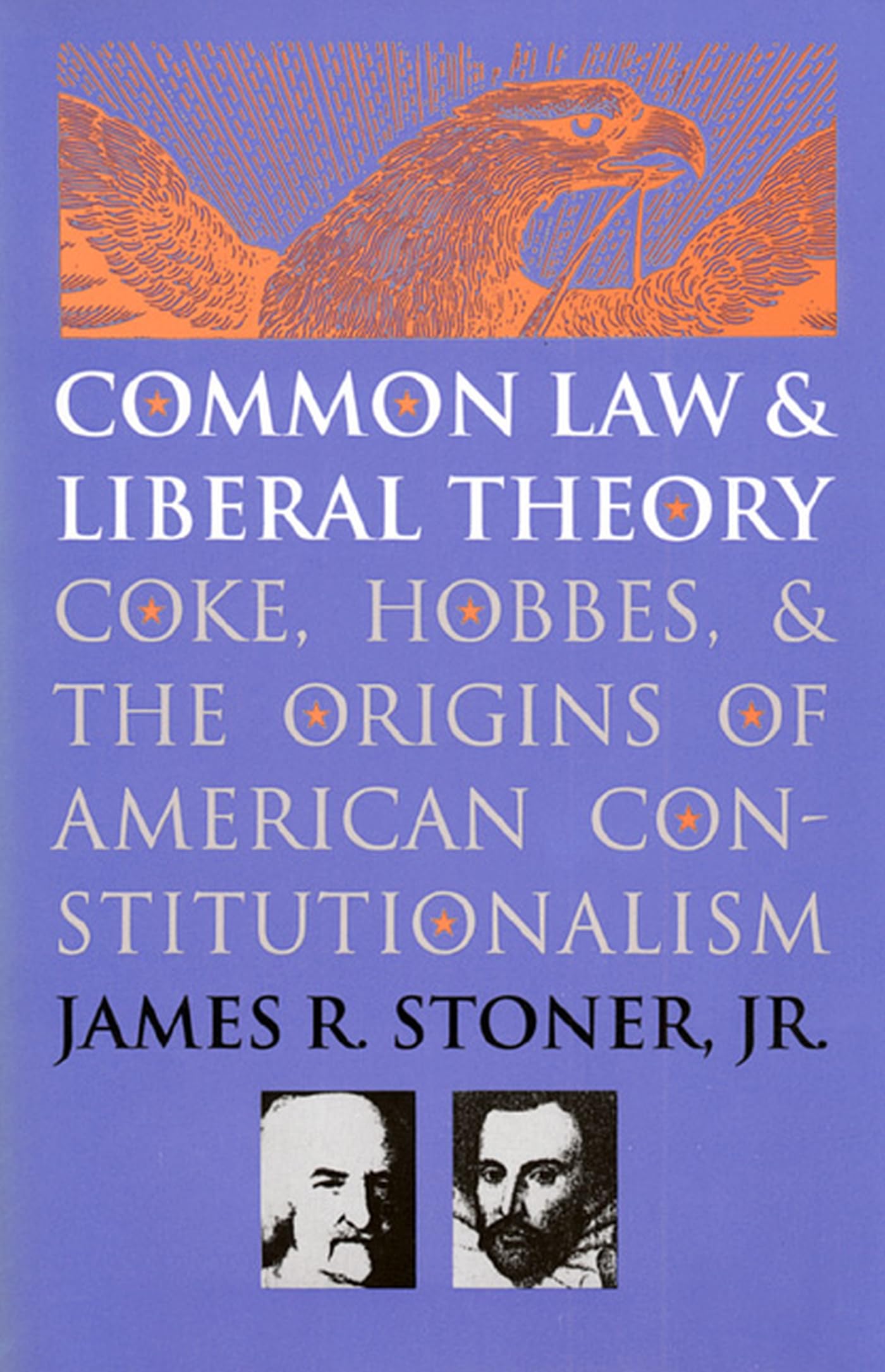
Common Law And Liberal Theory: Coke, Hobbes, And The Origins Of American Constitutionalism,New
Sold by Ergodebooks, an authorized reseller.
Returns accepted within 30 days | support@ergodebooks.com
Shipping Information
- Free Standard Shipping — United States only
- Processing Time: 3–5 business days
- Estimated Delivery: 6–10 business days after dispatch
- Double-boxed, fully insured & discreetly packaged
- Tracking number sent via email once dispatched
Returns & Refund
Returns accepted within 30 days of delivery.
Damaged or Defective Item
Free return shipping + replacement or full refund
Wrong Item Received
Free return shipping + replacement or full refund
Change of Mind
Return shipping at customer's expense · 25% restocking fee applies
Payment Option

James Stoner'S Purpose Is An Ambitious One: To Recover The Common Law Basis Of American Constitutionalism.American Constitutionalism In General, He Argues, And Judicial Review In Particular, Cannot Be Fully Understood Without Acknowledging Their Roots In Both Common Law And Liberal Political Theory. But For The Most Part, The Common Law Underpinnings Of Constitutionalism Have Received Short Shrift.Through Close Study Of Liberal Political Philosopher Thomas Hobbes And The Writings Of Edward Coke, A Seventeenthcentury Judge And Parliamentarian Whose Opinion In Doctor Bonham'S Case (1610) Was Once Viewed As A Precedent For The Modern Practice Of Judicial Review, Stoner Establishes A Dialogue Between Two Schools Of Thought. The Contrast That Emerges Between Liberalism, With Its Scientific Ambitions, And Common Law Opens Up A Fresh Perspective On The Foundations Of The American Regime.Common Law Is Grounded In Precedent And Local Tradition As Well As Reason; It Stresses Community. Liberal Political Theory Is Based On Abstract, Rational Principles; It Stresses Individualism. To Overlook The Common Law Roots Of American Constitutionalism, Then, Is To Ignore A Tradition That Is More Contextual And Historical, More Flexible Yet More Respectful Of The Wisdom Of Tradition Or Experience, Less Individualistic And More Emphatic About Responsibility Than Is The Liberal Philosophic Tradition.In Common Law And Liberal Theory, Stoner Reexamines The Sources Of Judicial Review And The American Founding. He Focuses On Hobbes And Coke As Representative Of The Two Traditions, But Also Includes Chapters On Locke, Montesquieu, Blackstone, And The Federalists. His Careful Reading Of The Influences Of And Conflicts Between Liberalism And Common Law Will Cast New Light On The Controversy Over The Origins Of American Constitutionalism.
⚠️ WARNING (California Proposition 65):
This product may contain chemicals known to the State of California to cause cancer, birth defects, or other reproductive harm.
For more information, please visit www.P65Warnings.ca.gov.