If you have any questions, you are always welcome to contact us. We'll get back to you as soon as possible, withing 24 hours on weekdays.
Customer service
All questions about your order, return and delivery must be sent to our customer service team by e-mail at yourstore@yourdomain.com
Sale & Press
If you are interested in selling our products, need more information about our brand or wish to make a collaboration, please contact us at press@yourdomain.com
Help
If you have any questions, you are always welcome to contact us. We'll get back to you as soon as possible, withing 24 hours on weekdays.
Customer service
All questions about your order, return and delivery must be sent to our customer service team by e-mail at yourstore@yourdomain.com
Sale & Press
If you are interested in selling our products, need more information about our brand or wish to make a collaboration, please contact us at press@yourdomain.com
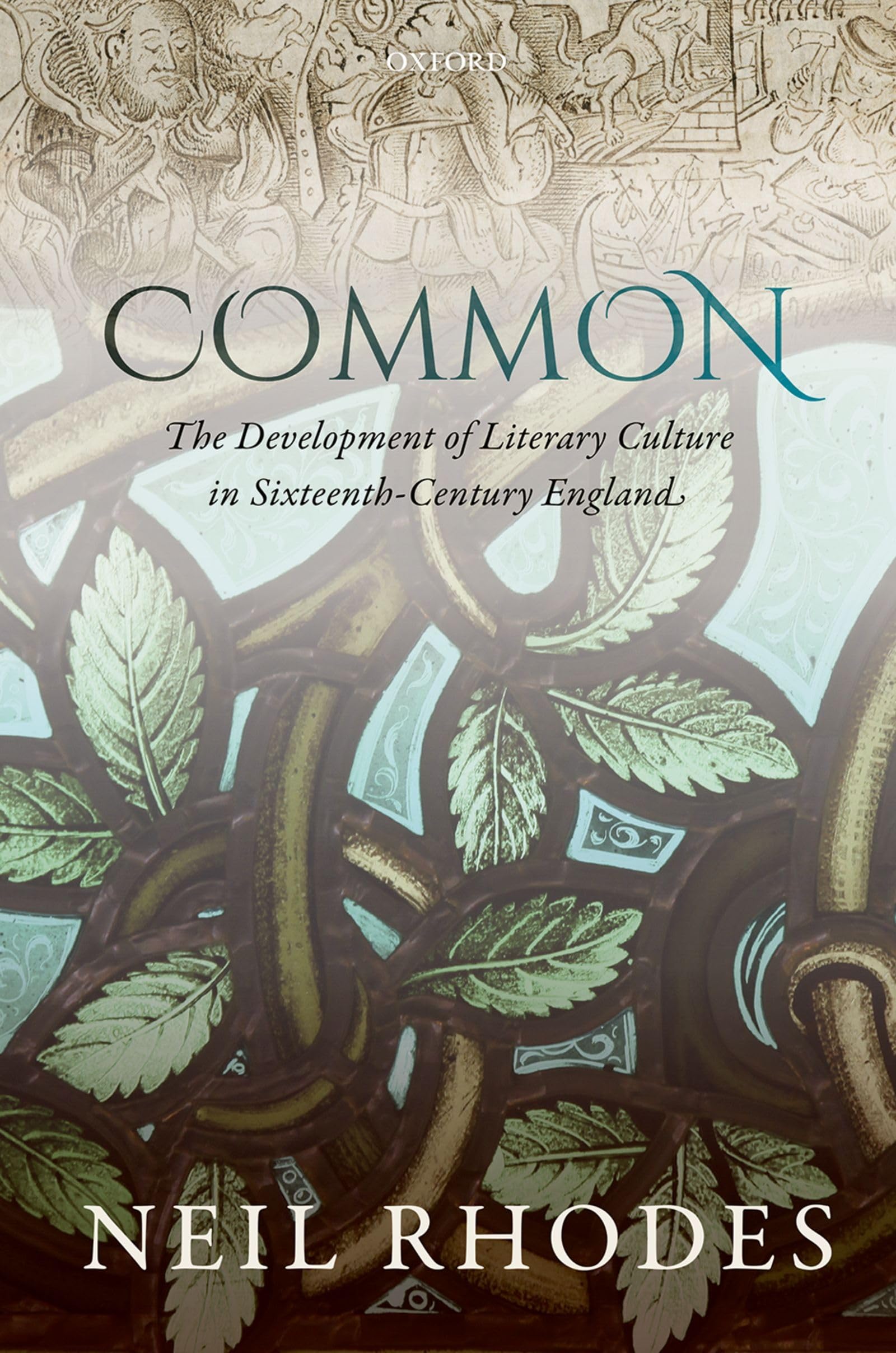
This volume explores the development of literary culture in sixteenthcentury England as a whole and seeks to explain the relationship between the Reformation and the literary renaissance of the Elizabethan period. Its central theme is the 'common' in its double sense of something shared and something base, and it argues that making common the work of God is at the heart of the English Reformation just as making common the literature of antiquity and of early modern Europe is at the heart of the English Renaissance. Its central question is 'why was the Renaissance in England so late?' That question is addressed in terms of the relationship between Humanism and Protestantism and the tensions between democracy and the imagination which persist throughout the century.Part One establishes a social dimension for literary culture in the period by exploring the associations of 'commonwealth' and related terms. It addresses the role of Greek in the period before and during the Reformation in disturbing the old binary of elite Latin and common English. It also argues that the Reformation principle of making common is coupled with a hostility towards fiction, which has the effect of closing down the humanist renaissance of the earlier decades. Part Two presents translation as the link between Reformation and Renaissance, and the final part discusses the Elizabethan literary renaissance and deals in turn with poetry, short prose fiction, and the drama written for the common stage.
⚠️ WARNING (California Proposition 65):
This product may contain chemicals known to the State of California to cause cancer,
birth defects, or other reproductive harm.
For MAP (Minimum Advertised Price) violations and Intellectual Property (IP) or Trademark concerns, please contact:
support@ergodebooks.com
⚠️ California Proposition 65 Warning: Some products sold on this website may expose you to chemicals known to the State of California to cause cancer, birth defects, or other reproductive harm. For more information, visit www.P65Warnings.ca.gov.