
Title
Community And Commerce In Late Medieval Japan: The Corporate Villages Of Tokuchinho (Science),Used
Sold by Ergodebooks, an authorized reseller.
Returns accepted within 30 days | support@ergodebooks.com
Shipping Information
- Free Standard Shipping — United States only
- Processing Time: 3–5 business days
- Estimated Delivery: 6–10 business days after dispatch
- Double-boxed, fully insured & discreetly packaged
- Tracking number sent via email once dispatched
Returns & Refund
Returns accepted within 30 days of delivery.
Damaged or Defective Item
Free return shipping + replacement or full refund
Wrong Item Received
Free return shipping + replacement or full refund
Change of Mind
Return shipping at customer's expense · 25% restocking fee applies
Payment Option

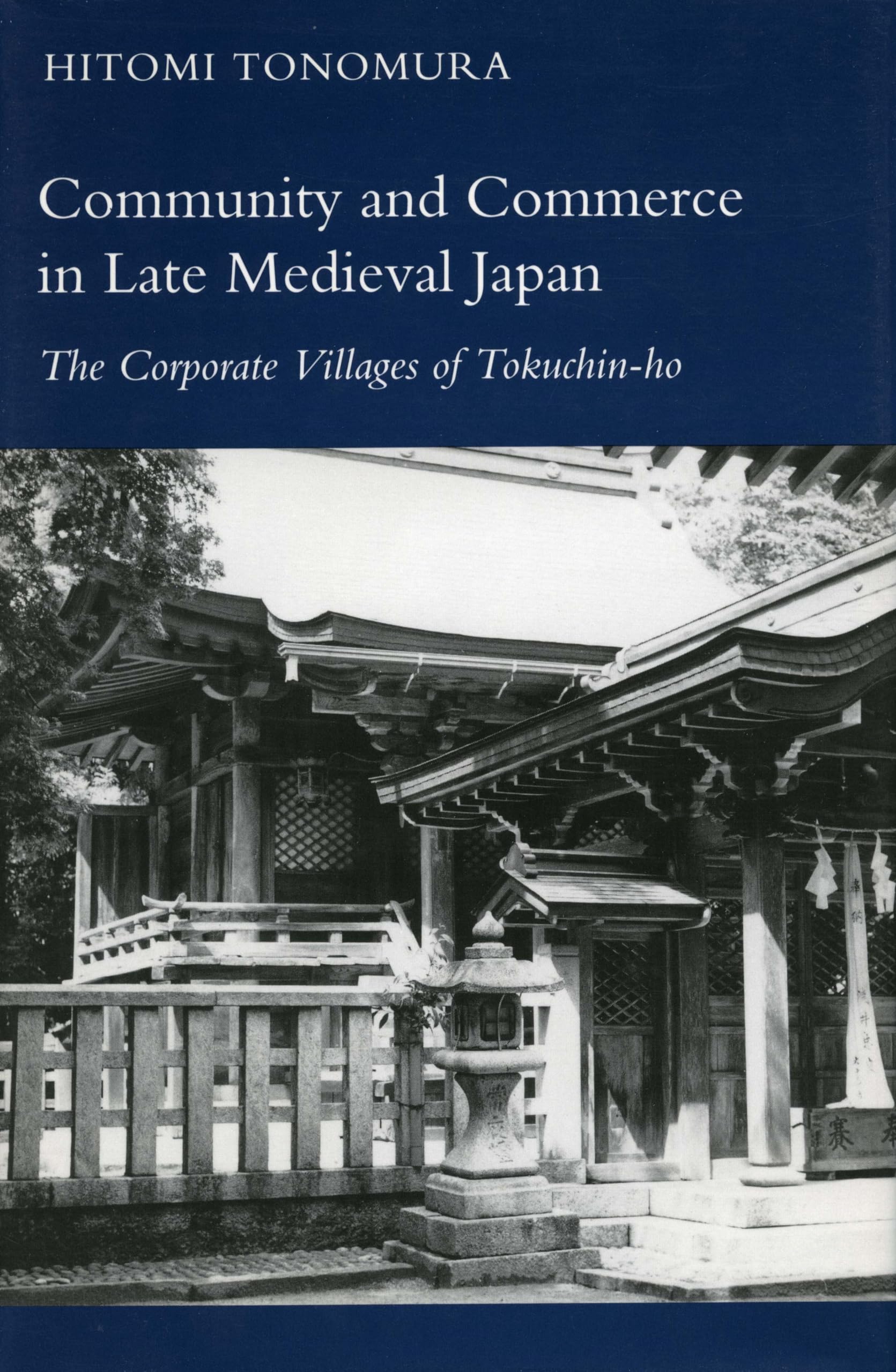
Late medieval Japan witnessed a growth in the power of the commoner, as seen in the spread of corporate villages (so) marked by collective ownership and administration and other selfgoverning features. This study of a community of so villages in central Japan from the fourteenth through the seventeenth centuries reconstructs the life of these villages by analyzing the rich and abundant communal records largely written by the villagers themselves and carefully preserved in the local shrine.The author show how these villagers founded and operated a shrinecentered organization that brought coherence, order, and prestige to the community at the same time it formalized the differences among the residents along gender and class lines. The Tokuchinho so was a governmental, social, and religious institution that facilitated the movement toward localism, but, the author argues, its growing collective power and organization also benefited its local proprietor, the great monastic complex of Enryakuji. Political and economic resources flowed vertically between the clientvillage and the patronproprietor as they collaborated to secure internal peace and widereaching commercial interests.The book traces the transformation of the so as late medieval decentralization gave way to politically unified early modern society, with its enforced transfer of merchants from villages to towns, confiscation of shrine land, and the relinquishment of the so's political authority. Despite these efforts, as a powerful organization experienced in promoting communal order, the so was able to maintain its medieval legacy of selfdetermination, substantially preempting bureaucratic intervention in local governance.The local records allow the author to study the so from the villagers' perspective, and she presents new information on the position of women in rural communities, the local mode of economic surplus accumulation, the detailed social and economic functions of a shrine, and the reaction to nationwide cadastral surveys. The book is illustrated with 21 halftones.
⚠️ WARNING (California Proposition 65):
This product may contain chemicals known to the State of California to cause cancer, birth defects, or other reproductive harm.
For more information, please visit www.P65Warnings.ca.gov.