If you have any questions, you are always welcome to contact us. We'll get back to you as soon as possible, withing 24 hours on weekdays.
Customer service
All questions about your order, return and delivery must be sent to our customer service team by e-mail at yourstore@yourdomain.com
Sale & Press
If you are interested in selling our products, need more information about our brand or wish to make a collaboration, please contact us at press@yourdomain.com
Help
If you have any questions, you are always welcome to contact us. We'll get back to you as soon as possible, withing 24 hours on weekdays.
Customer service
All questions about your order, return and delivery must be sent to our customer service team by e-mail at yourstore@yourdomain.com
Sale & Press
If you are interested in selling our products, need more information about our brand or wish to make a collaboration, please contact us at press@yourdomain.com
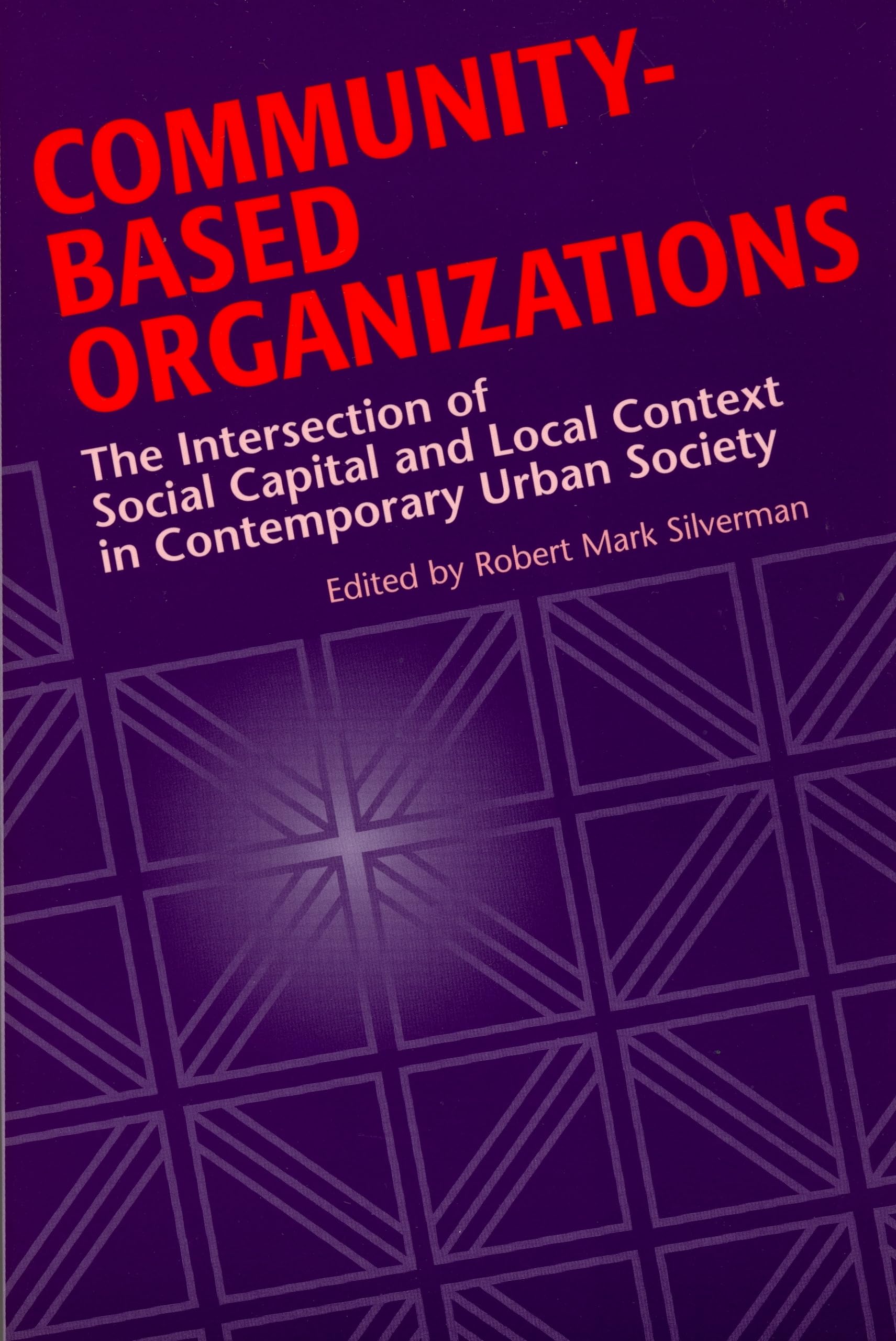
In response to the ongoing debate over the role social capital plays in the creation and continuation of a healthy civic culture, CommunityBased Organizations in Contemporary Urban Society studies the close relationship that social capital shares with local context, social organization, and institutional structure. The book's timely analysis illuminates the institutional barriers currently affecting the mobilization of social capital and establishes a foundation for social and political reform in the future. All components of capital formationincluding human, financial, and cultural capitalare identified and considered as they relate to the community development process, as well as how social capital relates to race, class, gender, and religion in urban society.CommunityBased Organizations in Contemporary Urban Society offers vital extensions to existing literature on social capital and allows the reader to consider this topic from multiple perspectives through its broad spectrum of interdisciplinary essays by sociologists, political scientists, and urban planners. The essays discuss important steps in the mobilization of social capital, as well as its role in microfinance programs, community development corporations, homeowners associations, religious institutions, and neighborhood associations. Individual chapters present an array of theoretical arguments, empirical analysis, and applied case studies that are of interest to academics, practitioners, and activists in the community development field.
⚠️ WARNING (California Proposition 65):
This product may contain chemicals known to the State of California to cause cancer,
birth defects, or other reproductive harm.
For MAP (Minimum Advertised Price) violations and Intellectual Property (IP) or Trademark concerns, please contact:
support@ergodebooks.com
⚠️ California Proposition 65 Warning: Some products sold on this website may expose you to chemicals known to the State of California to cause cancer, birth defects, or other reproductive harm. For more information, visit www.P65Warnings.ca.gov.