
Title
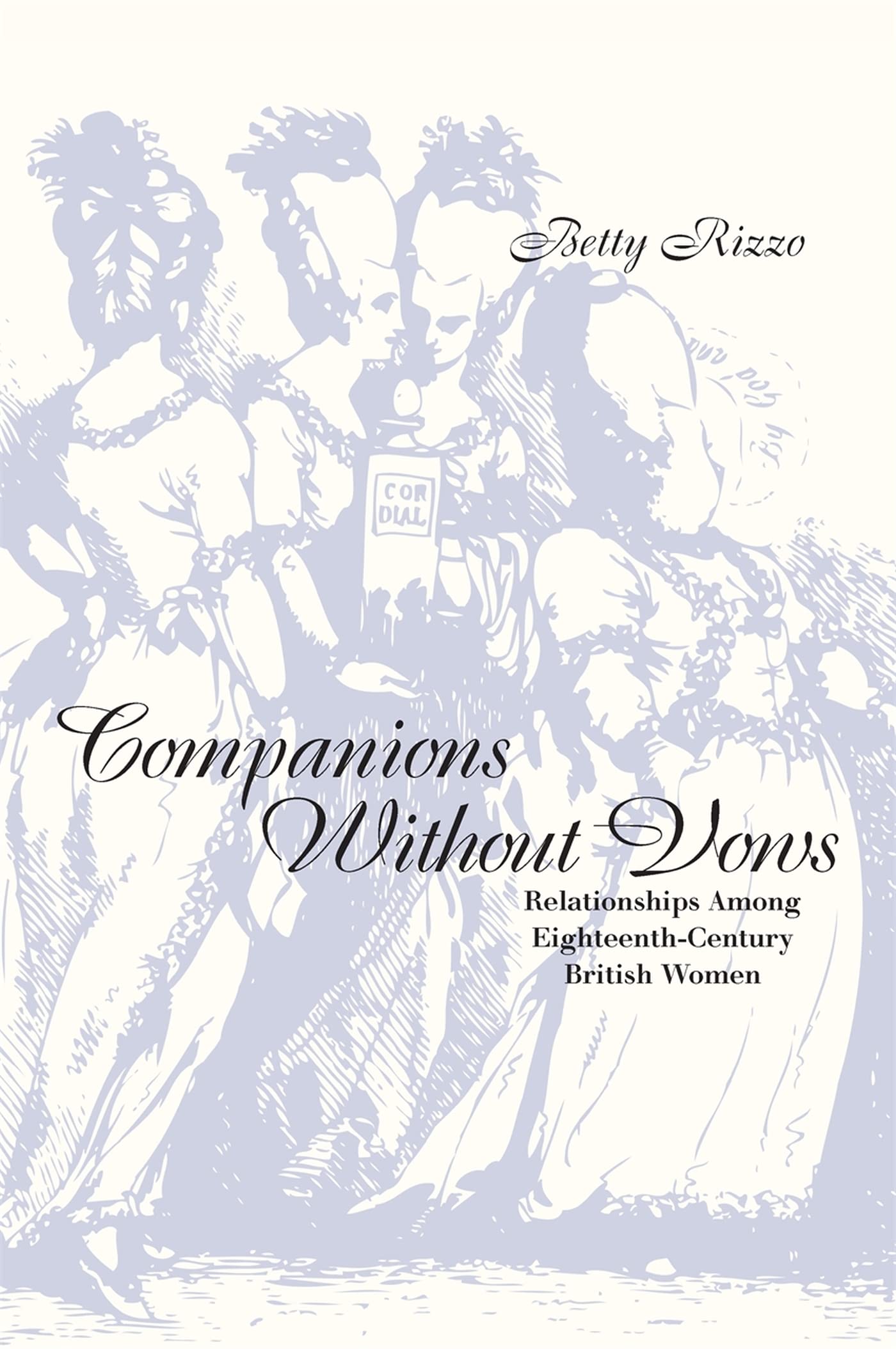
Companions Without Vows: Relationships Among Eighteenthcentury British Women,Used
Sold by Ergodebooks, an authorized reseller.
Returns accepted within 30 days | support@ergodebooks.com
Shipping Information
- Free Standard Shipping — United States only
- Processing Time: 3–5 business days
- Estimated Delivery: 6–10 business days after dispatch
- Double-boxed, fully insured & discreetly packaged
- Tracking number sent via email once dispatched
Returns & Refund
Returns accepted within 30 days of delivery.
Damaged or Defective Item
Free return shipping + replacement or full refund
Wrong Item Received
Free return shipping + replacement or full refund
Change of Mind
Return shipping at customer's expense · 25% restocking fee applies
Payment Option

Companions Without Vows is the first detailed study of the companionate relationship among women in eighteenthcentury Englanda type of relationship so prevalent that it was nearly institutionalized. Drawing extensively upon primary documents and fictional narratives, Betty Rizzo describes the socioeconomic conditions that forced women to take on or to become companions and examines a number of actual companionate relationships.Several factors fostered such relationships. Husbands and wives of the period lived largely separate social lives, yet decorum prohibited genteel women from attending engagements unaccompanied. Also, women of position insisted on having social consultants and confidantes. Filling this need were the many wellborn young women without sufficient funds to live independently. Because family money and property were concentrated in the hands of eldest sons, these women frequently had to seek the protection of female benefactors for whom they performed unpaid, nonmenial tasks, such as providing a hand at cards or simply offering pleasant company.The companionate relationship between women could assume many forms, Rizzo notes. It was often analogous to marriage, with one partner dominant and the other subservient, while some women experimented in establishing partnerships that were truly egalitarian. Rizzo explores these various types of relationships both in real life and in fiction, noting that much of the period's discourse about women's relationships can be seen as a tacit commentary on marriage.Provocative and engagingly written, this authoritative work casts new light on women's attempts to deal with a patriarchal power structure and offers new insight into eighteenthcentury social history.
⚠️ WARNING (California Proposition 65):
This product may contain chemicals known to the State of California to cause cancer, birth defects, or other reproductive harm.
For more information, please visit www.P65Warnings.ca.gov.