If you have any questions, you are always welcome to contact us. We'll get back to you as soon as possible, withing 24 hours on weekdays.
Customer service
All questions about your order, return and delivery must be sent to our customer service team by e-mail at yourstore@yourdomain.com
Sale & Press
If you are interested in selling our products, need more information about our brand or wish to make a collaboration, please contact us at press@yourdomain.com
Help
If you have any questions, you are always welcome to contact us. We'll get back to you as soon as possible, withing 24 hours on weekdays.
Customer service
All questions about your order, return and delivery must be sent to our customer service team by e-mail at yourstore@yourdomain.com
Sale & Press
If you are interested in selling our products, need more information about our brand or wish to make a collaboration, please contact us at press@yourdomain.com
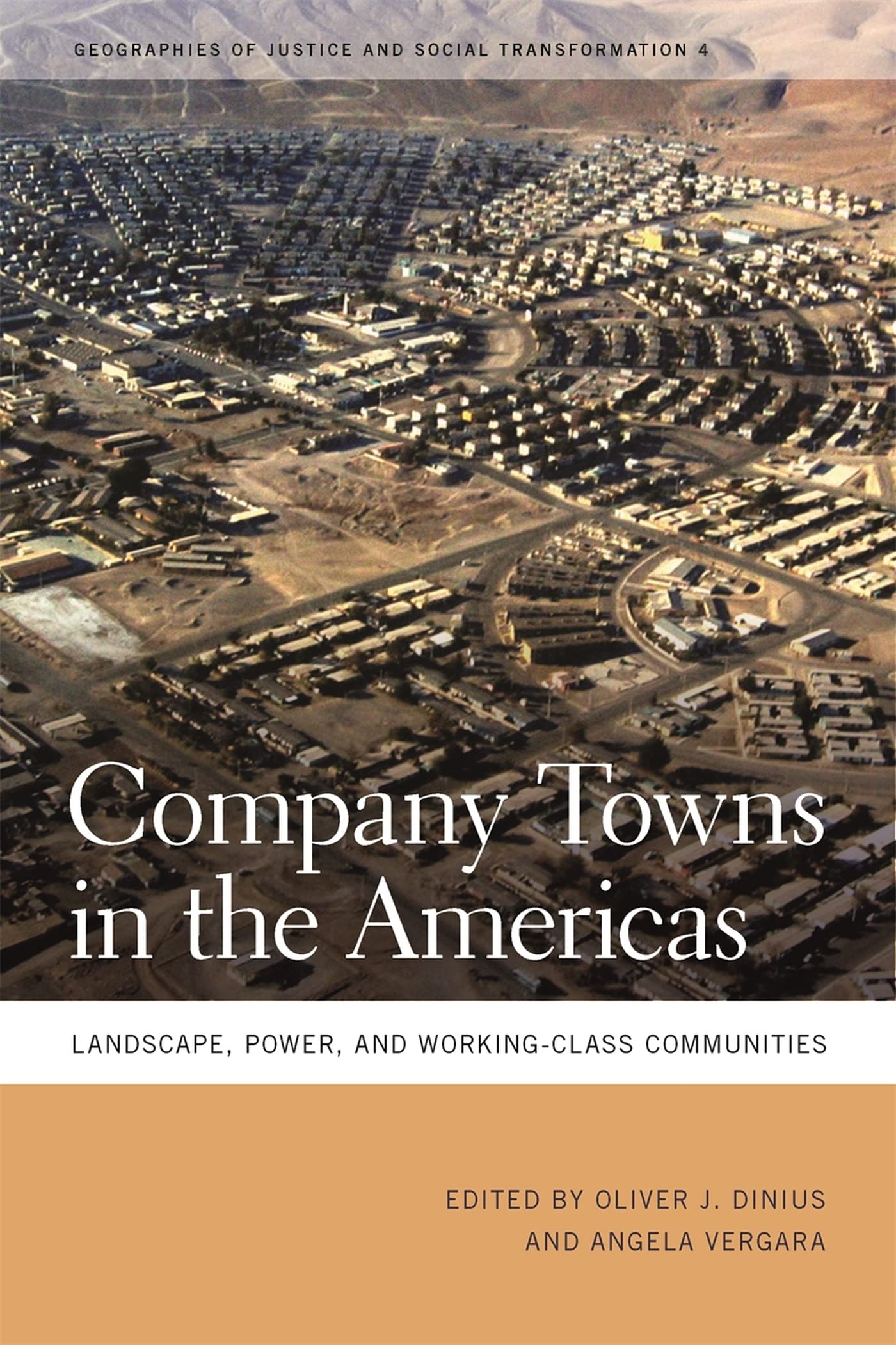
Company towns were the spatial manifestation of a social ideology and an economic rationale. The contributors to this volume show how national politics, social protest, and local culture transformed those founding ideologies by examining the histories of company towns in six countries: Argentina (Firmat), Brazil (Volta Redonda, Santos, Fordlndia), Canada (Sudbury), Chile (El Salvador), Mexico (Santa Rosa, Ro Blanco), and the United States (Anaconda, Kellogg, and Sunflower City).Company towns across the Americas played similar economic and social roles. They advanced the frontiers of industrial capitalism and became powerful symbols of modernity. They expanded national economies by supporting extractive industries on thinly settled frontiers and, as a result, brought more land, natural resources, and people under the control of corporations. U.S. multinational companies exported ideas about work discipline, race, and gender to Latin America as they established company towns there to extend their economic reach. Employers indeed shaped social relations in these company towns through education, welfare, and leisure programs, but these essays also show how workingclass communities reshaped these programs to serve their needs.The editors introduction and a theoretical essay by labor geographer Andrew Herod provide the context for the case studies and illuminate how the company town serves as a window into both the comparative and transnational histories of labor under industrial capitalism.
⚠️ WARNING (California Proposition 65):
This product may contain chemicals known to the State of California to cause cancer,
birth defects, or other reproductive harm.
For MAP (Minimum Advertised Price) violations and Intellectual Property (IP) or Trademark concerns, please contact:
support@ergodebooks.com
⚠️ California Proposition 65 Warning: Some products sold on this website may expose you to chemicals known to the State of California to cause cancer, birth defects, or other reproductive harm. For more information, visit www.P65Warnings.ca.gov.