
Title
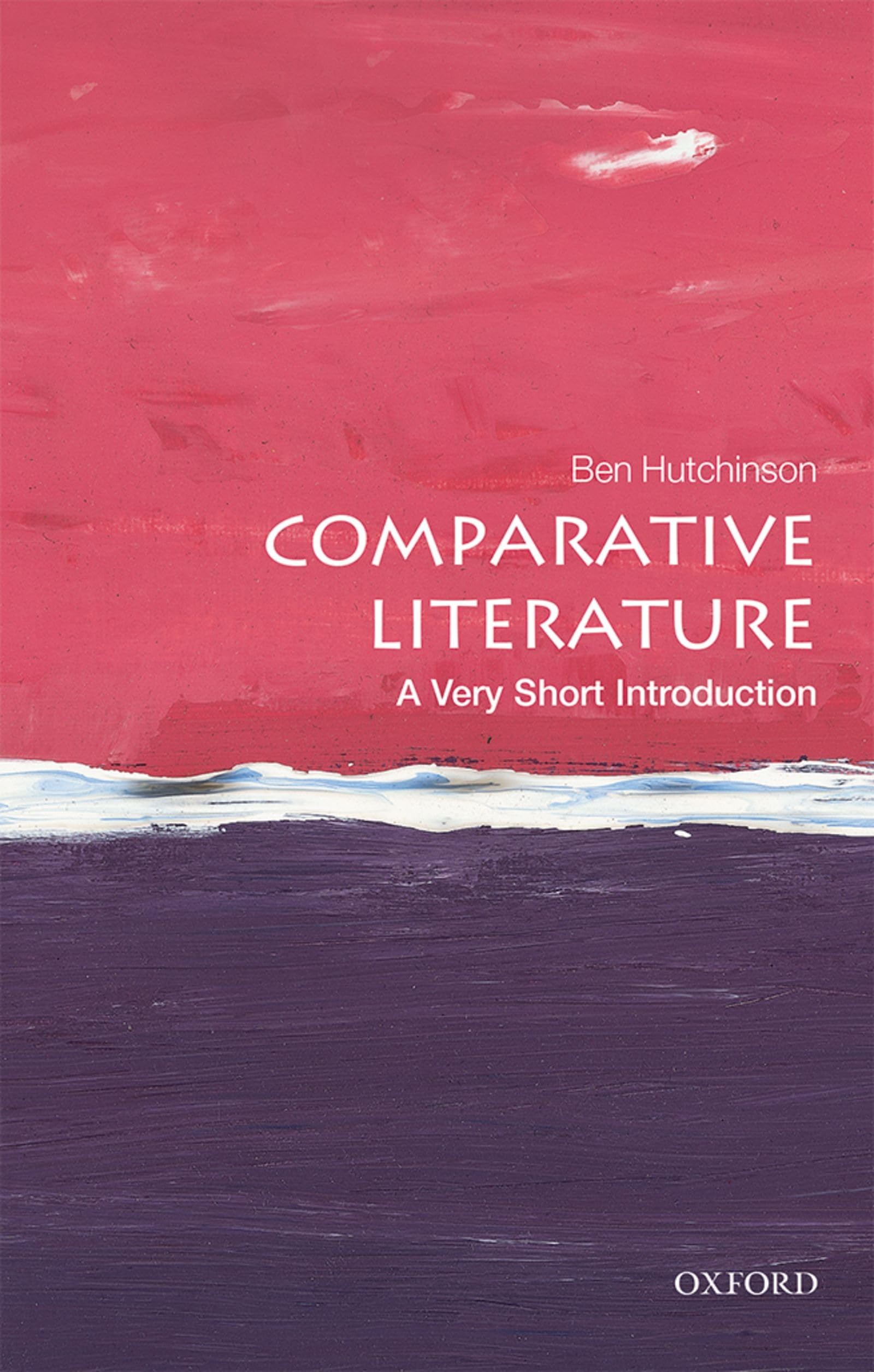
Comparative Literature: A Very Short Introduction (Very Short Introductions),Used
Sold by Ergodebooks, an authorized reseller.
Returns accepted within 30 days | support@ergodebooks.com
Shipping Information
- Free Standard Shipping — United States only
- Processing Time: 3–5 business days
- Estimated Delivery: 6–10 business days after dispatch
- Double-boxed, fully insured & discreetly packaged
- Tracking number sent via email once dispatched
Returns & Refund
Returns accepted within 30 days of delivery.
Damaged or Defective Item
Free return shipping + replacement or full refund
Wrong Item Received
Free return shipping + replacement or full refund
Change of Mind
Return shipping at customer's expense · 25% restocking fee applies
Payment Option

Comparative Literature is both the past and the future of literary studies. Its history is intimately linked to the political upheavals of modernity: from colonial empirebuilding in the nineteenth century to the postcolonial culture wars of the twentyfirst century, attempts at "comparison" have defined the international agenda of literature. But what is comparative literature? Ambitious readers looking to stretch themselves are usually intrigued by the concept, but uncertain of its implications. And rightly so, in many ways: even the professionals cannot agree on a single term, calling it comparative in English, compared in French, and comparing in German. The very term itself, when approached comparatively, opens up a Pandora's box of cultural differences.Yet this, in a nutshell, is the whole point of comparative literature. To look at literature comparatively is to realize just how much can be learned by looking over the horizon of one's own culture. In an age that is paradoxically defined by migration and border crossing on the one hand, and by a retreat into monolingualism and monoculturalism on the other, the crosscultural agenda of comparative literature has become increasingly central to the future of the Humanities. We are all, in fact, comparatists, constantly making connections across languages, cultures, and genres as we read. The question is whether we realize it.Outlining the complex history and competing theories of comparative literature, Ben Hutchinson offers an accessible means of entry into a notoriously slippery subject. Ultimately, he places comparative literature at the very heart of literary criticism, for as George Steiner once noted, "to read is to compare."ABOUT THE SERIES: The Very Short Introductions series from Oxford University Press contains hundreds of titles in almost every subject area. These pocketsized books are the perfect way to get ahead in a new subject quickly. Our expert authors combine facts, analysis, perspective, new ideas, and enthusiasm to make interesting and challenging topics highly readable.
⚠️ WARNING (California Proposition 65):
This product may contain chemicals known to the State of California to cause cancer, birth defects, or other reproductive harm.
For more information, please visit www.P65Warnings.ca.gov.