
Title
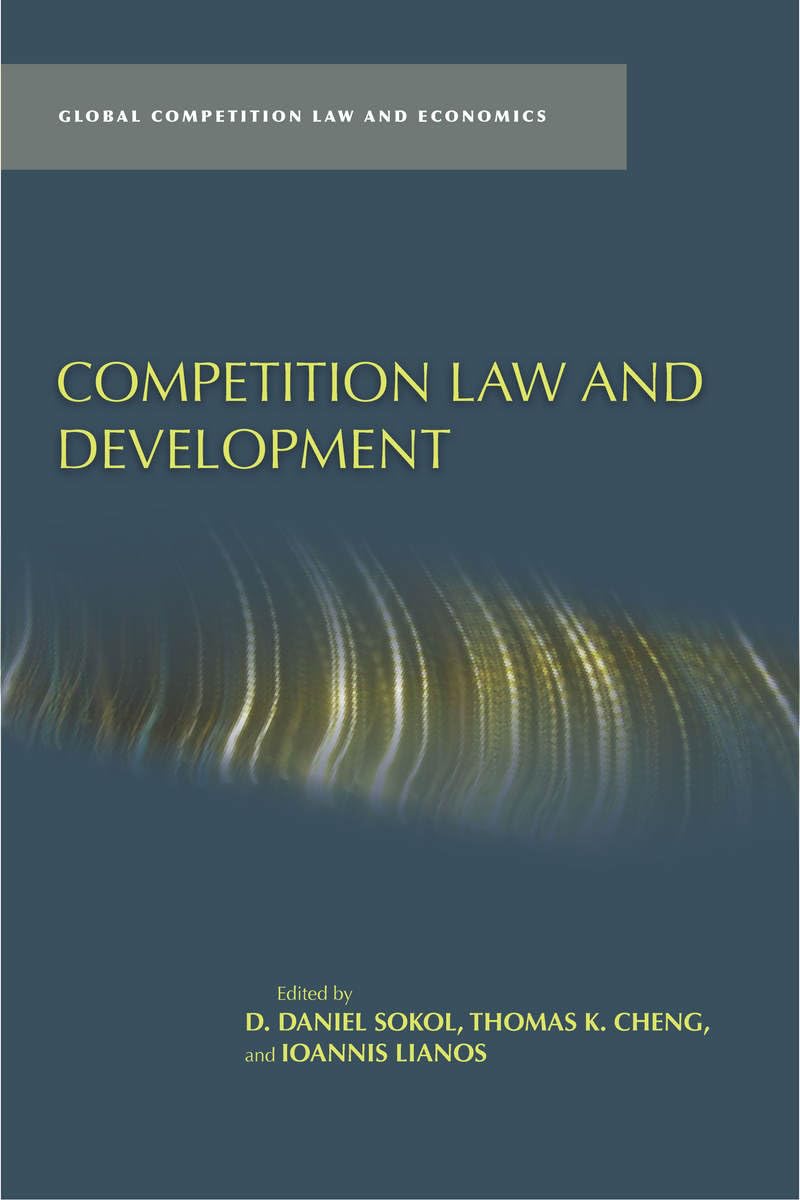
Competition Law And Development (Global Competition Law And Economics),Used
Sold by Ergodebooks, an authorized reseller.
Returns accepted within 30 days | support@ergodebooks.com
Shipping Information
- Free Standard Shipping — United States only
- Processing Time: 3–5 business days
- Estimated Delivery: 6–10 business days after dispatch
- Double-boxed, fully insured & discreetly packaged
- Tracking number sent via email once dispatched
Returns & Refund
Returns accepted within 30 days of delivery.
Damaged or Defective Item
Free return shipping + replacement or full refund
Wrong Item Received
Free return shipping + replacement or full refund
Change of Mind
Return shipping at customer's expense · 25% restocking fee applies
Payment Option

The vast majority of the countries in the world are developing countriesthere are only thirtyfour OECD (Organisation for Economic Cooperation and Development) countriesand yet there is a serious dearth of attention to developing countries in the international and comparative law scholarship, which has been preoccupied with the United States and the European Union. Competition Law and Development investigates whether or not the competition law and policy transplanted from Europe and the United States can be successfully implemented in the developing world or whether the developingworld experience suggests a need for a different analytical framework. The political and economic environment of developing countries often differs significantly from that of developed countries in ways that may have serious implications for competition law enforcement.The need to devote greater attention to developing countries is also justified by the changing global economic reality in which developing countriesespecially China, India, and Brazilhave emerged as economic powerhouses. Together with Russia, the socalled BRIC countries have accounted for thirty percent of global economic growth since the term was coined in 2001. In this sense, developing countries deserve more attention not because of any justifiable differences from developed countries in competition law enforcement, either in theoretical or practical terms, but because of their sheer economic heft. This book, the second in the Global Competition Law and Economics series, provides a number of viewpoints of what competition law and policy mean both in theory and practice in a development context.
⚠️ WARNING (California Proposition 65):
This product may contain chemicals known to the State of California to cause cancer, birth defects, or other reproductive harm.
For more information, please visit www.P65Warnings.ca.gov.