
Title
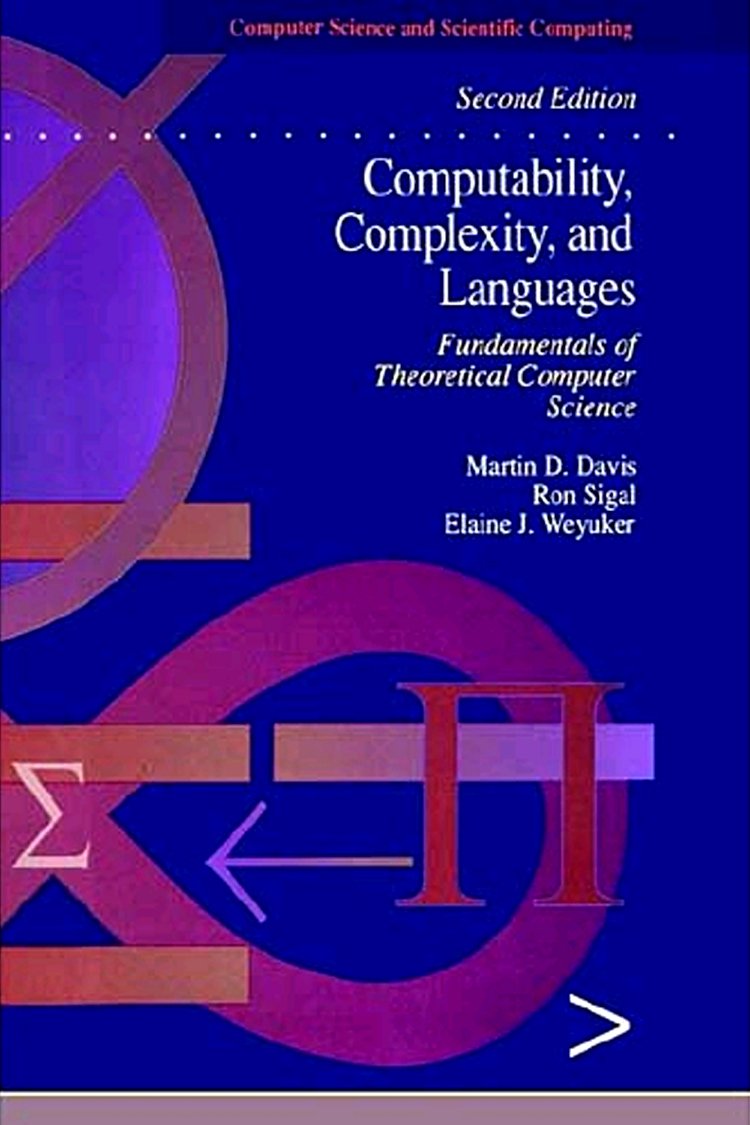
Computability, Complexity, and Languages: Fundamentals of Theoretical Computer Science (Computer Science and Scientific Computin,Used
Sold by Ergodebooks, an authorized reseller.
Returns accepted within 30 days | support@ergodebooks.com
Shipping Information
- Free Standard Shipping — United States only
- Processing Time: 3–5 business days
- Estimated Delivery: 6–10 business days after dispatch
- Double-boxed, fully insured & discreetly packaged
- Tracking number sent via email once dispatched
Returns & Refund
Returns accepted within 30 days of delivery.
Damaged or Defective Item
Free return shipping + replacement or full refund
Wrong Item Received
Free return shipping + replacement or full refund
Change of Mind
Return shipping at customer's expense · 25% restocking fee applies
Payment Option

Computability, Complexity, and Languages is an introductory text that covers the key areas of computer science, including recursive function theory, formal languages, and automata. It assumes a minimal background in formal mathematics. The book is divided into five parts: Computability, Grammars and Automata, Logic, Complexity, and Unsolvability. Computability theory is introduced in a manner that makes maximum use of previous programming experience, including a 'universal' program that takes up less than a page. The number of exercises included has more than tripled. Automata theory, computational logic, and complexity theory are presented in a flexible manner, and can be covered in a variety of different arrangements.
⚠️ WARNING (California Proposition 65):
This product may contain chemicals known to the State of California to cause cancer, birth defects, or other reproductive harm.
For more information, please visit www.P65Warnings.ca.gov.
- Q: What is the page count of the book? A: The book has six hundred nine pages. This extensive page count allows for in-depth coverage of computability, complexity, and languages.
- Q: What are the dimensions of this book? A: The book measures six point four six inches in length, one point eight seven inches in width, and nine point two six inches in height. These dimensions make it a convenient size for reading and carrying.
- Q: What is the binding type of this book? A: The book is available in paperback binding. This binding type is lightweight and flexible, ideal for casual reading.
- Q: Who is the author of this book? A: The author is Martin Davis. He is known for his contributions to theoretical computer science and has a strong background in computability and complexity.
- Q: What genre does this book belong to? A: This book belongs to the genre of theoretical computer science. It covers foundational topics essential for understanding the field.
- Q: Is this book suitable for beginners? A: Yes, this book is suitable for beginners. It assumes a minimal background in formal mathematics, making it accessible to those new to the subject.
- Q: How do I approach the exercises in the book? A: You can approach the exercises progressively as you read. The book includes more than tripled exercises, enhancing your understanding of the topics discussed.
- Q: What is the target audience for this book? A: The target audience includes students and professionals interested in theoretical computer science. It's also beneficial for those seeking a foundational understanding in this area.
- Q: Can this book be beneficial for advanced learners? A: Yes, advanced learners can benefit from this book. It presents complex theories in a flexible manner that can cater to varied learning paths.
- Q: What topics are covered in this book? A: The book covers computability, grammars and automata, logic, complexity, and unsolvability. These topics are essential for a comprehensive understanding of theoretical computer science.
- Q: How should I store this book to keep it in good condition? A: Store the book upright on a shelf or in a bookcase. Avoid exposure to excessive moisture or direct sunlight to maintain its condition.
- Q: Can I easily transport this book? A: Yes, you can easily transport this book due to its paperback format and manageable dimensions. It's lightweight, making it suitable for on-the-go reading.
- Q: Is there a warranty for this book? A: No, there typically isn't a warranty for books. However, check with the retailer for return policies if the book arrives damaged.
- Q: What if I have a problem with my order? A: If you have a problem with your order, contact the retailer directly. They can assist you with returns or exchanges.
- Q: What if I find a mistake in the book? A: If you find a mistake in the book, note the error and consult the publisher's website for any errata or corrections. Publishers often provide updates for such issues.