
Title
Computational Macroeconomics for the Open Economy,Used
Sold by Ergodebooks, an authorized reseller.
Returns accepted within 30 days | support@ergodebooks.com
Shipping Information
- Free Standard Shipping — United States only
- Processing Time: 3–5 business days
- Estimated Delivery: 6–10 business days after dispatch
- Double-boxed, fully insured & discreetly packaged
- Tracking number sent via email once dispatched
Returns & Refund
Returns accepted within 30 days of delivery.
Damaged or Defective Item
Free return shipping + replacement or full refund
Wrong Item Received
Free return shipping + replacement or full refund
Change of Mind
Return shipping at customer's expense · 25% restocking fee applies
Payment Option

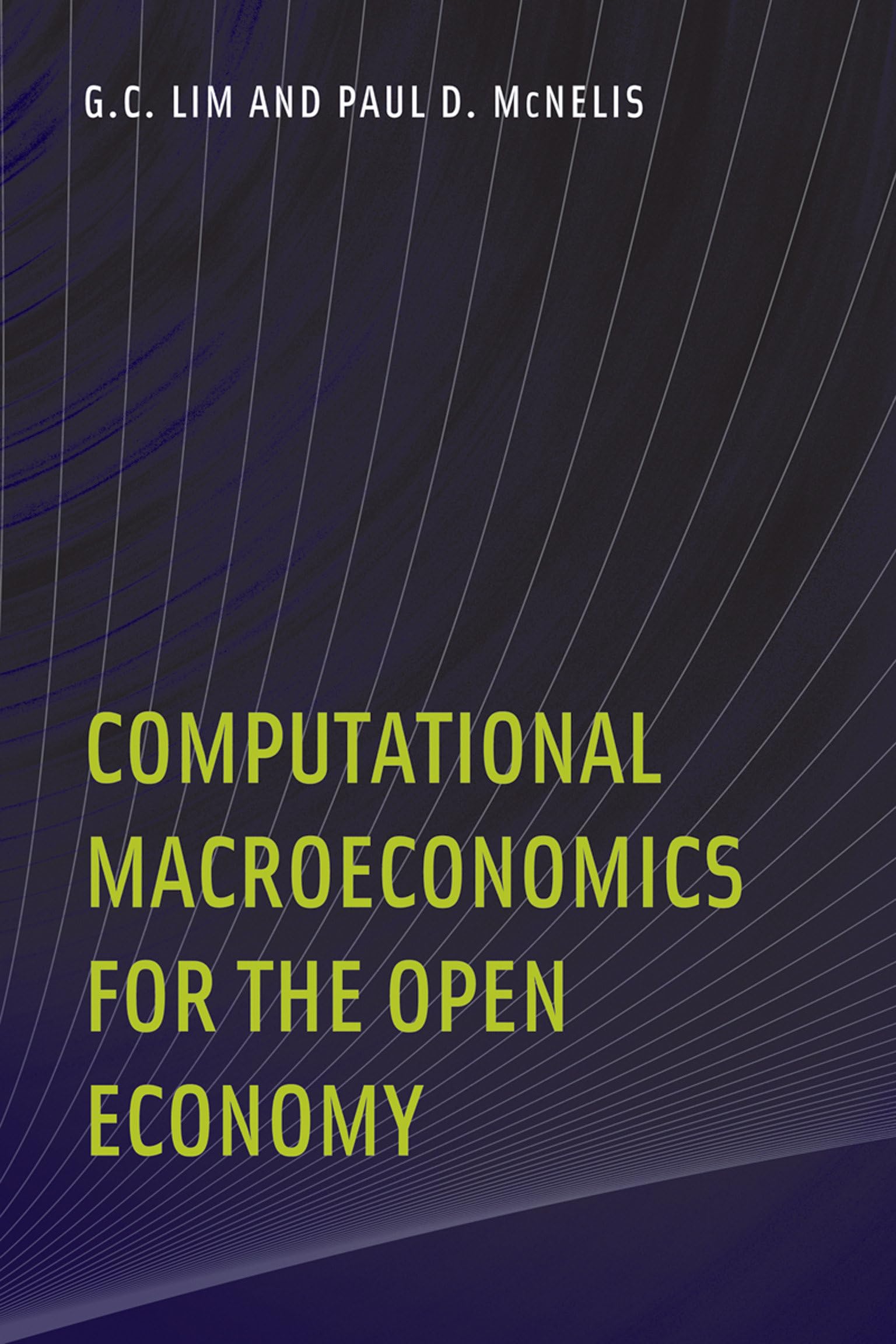
How to use nonlinear dynamic models in policy analysis.Policymakers need quantitative as well as qualitative answers to pressing policy questions. Because of advances in computational methods, quantitative estimates are now derived from coherent nonlinear dynamic macroeconomic models embodying measures of risk and calibrated to capture specific characteristics of realworld situations. This text shows how such models can be made accessible and operational for confronting policy issues. The book starts with a simple setting based on marketclearing price flexibility. It gradually incorporates departures from the simple competitive framework in the form of price and wage stickiness, taxes, rigidities in investment, financial frictions, and habit persistence in consumption. Most chapters end with computational exercises; the Matlab code for the base model can be found in the appendix. As the models evolve, readers are encouraged to modify the codes from the first simple model to more complex extensions. Computational Macroeconomics for the Open Economy can be used by graduate students in economics and finance as well as policyoriented researchers.
⚠️ WARNING (California Proposition 65):
This product may contain chemicals known to the State of California to cause cancer, birth defects, or other reproductive harm.
For more information, please visit www.P65Warnings.ca.gov.
- Q: What are the dimensions of this book? A: The book measures nine inches in length, six inches in width, and seven-tenths of an inch in height.
- Q: How many pages does this book have? A: The book contains two hundred thirty-one pages, providing a comprehensive exploration of computational macroeconomics.
- Q: What type of binding does this book use? A: This book is bound in hardcover, ensuring durability and longevity for frequent use.
- Q: Who is the author of this book? A: The author of this book is G. C. Lim, who focuses on nonlinear dynamic models in macroeconomic policy analysis.
- Q: What is the primary focus of this book? A: This book focuses on using nonlinear dynamic models for policy analysis in the open economy.
- Q: Is this book suitable for beginners? A: Yes, this book is suitable for graduate students and policy-oriented researchers, gradually introducing complex concepts.
- Q: Can this book help with policy analysis? A: Yes, it provides quantitative estimates for addressing pressing policy questions through advanced computational methods.
- Q: Are there exercises included in the book? A: Yes, most chapters conclude with computational exercises to enhance understanding and application of the material.
- Q: What programming language is used for exercises? A: The exercises in the book utilize Matlab, with code provided in the appendix for reader modification.
- Q: How do I care for this book? A: To keep the book in good condition, store it upright in a dry place and avoid exposure to direct sunlight or moisture.
- Q: Is there a return policy for this book? A: Yes, the book comes with a guaranteed no-quibbles return policy, ensuring customer satisfaction.
- Q: What if the book arrives damaged? A: If the book arrives damaged, you can return it under the no-quibbles return policy for a replacement or refund.
- Q: Does this book include any real-world applications? A: Yes, it incorporates measures of risk and specific real-world characteristics into its models for practical policy applications.
- Q: Is the content of this book suitable for finance professionals? A: Yes, the book is also appropriate for finance professionals who are interested in macroeconomic modeling techniques.
- Q: What features accompany the purchase of this book? A: Features include new mint condition, same-day dispatch for orders received before noon, and guaranteed packaging.