
Title
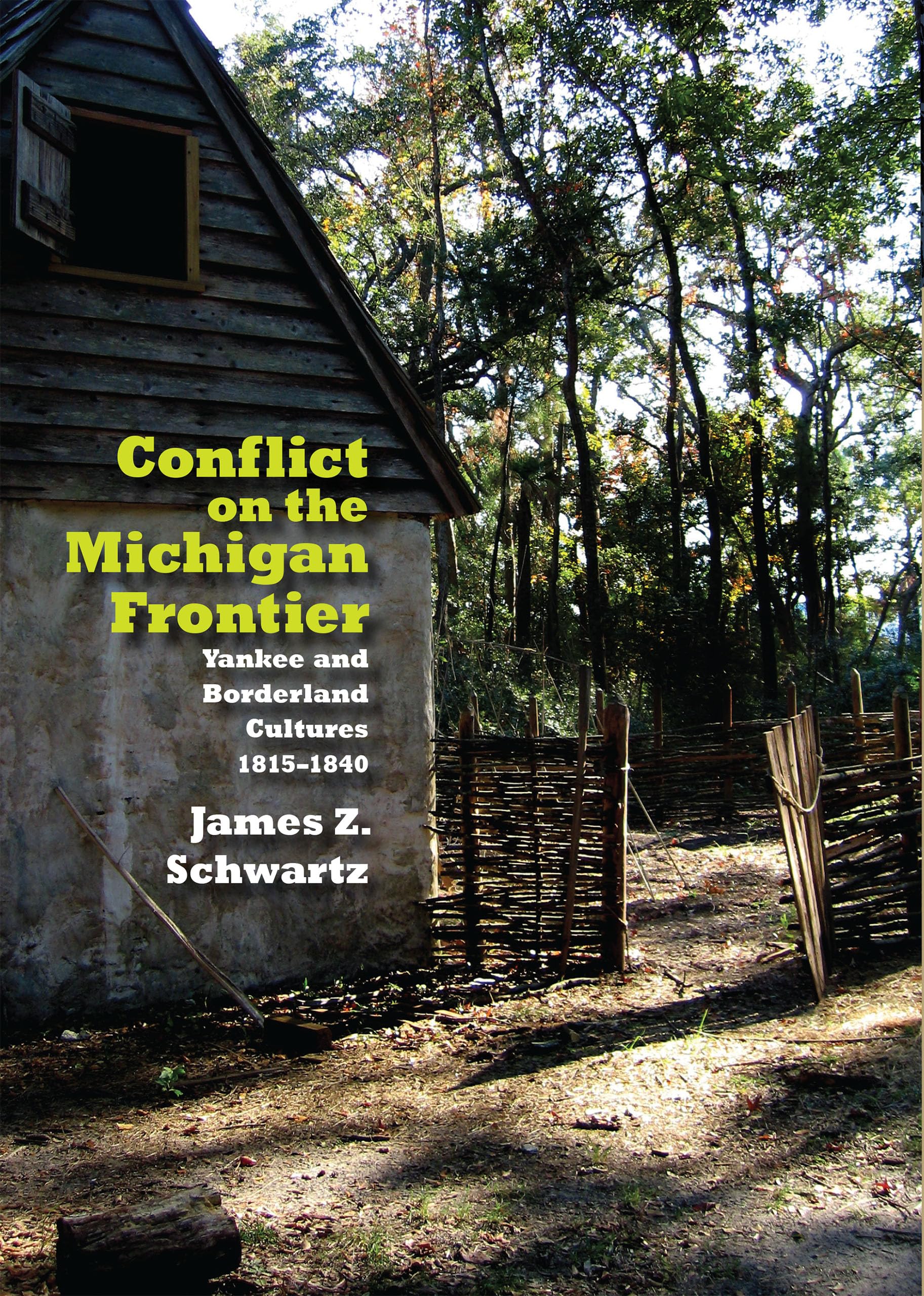
Conflict On The Michigan Frontier: Yankee And Borderland Cultures, 18151840,Used
Sold by Ergodebooks, an authorized reseller.
Returns accepted within 30 days | support@ergodebooks.com
Shipping Information
- Free Standard Shipping — United States only
- Processing Time: 3–5 business days
- Estimated Delivery: 6–10 business days after dispatch
- Double-boxed, fully insured & discreetly packaged
- Tracking number sent via email once dispatched
Returns & Refund
Returns accepted within 30 days of delivery.
Damaged or Defective Item
Free return shipping + replacement or full refund
Wrong Item Received
Free return shipping + replacement or full refund
Change of Mind
Return shipping at customer's expense · 25% restocking fee applies
Payment Option

In the early nineteenth century, the pioneers who came from New England to the Northwest Territory envisioned themselves taming the wilderness. As they cleared the forests for their crops and livestock, these settlers also sought to transform the social landscape for the cultivation of their own moral values, political beliefs, and cultural institutions. Using Michigan as a case study, James Schwartz explains how settlers employed both legal tactics and moral suasion to impose their vision of a civilized society.Yankees were concerned not only with the barbarism of the Native Americans in Michigan but also with the savagery of the territory's white inhabitants who violated the norms of genteel society. Michigan leaders sought to eliminate this compound threat by establishing two kinds of boundariesformal legal barriers and informal restraints. Combining these elements of civic culture allowed settlers to enact laws while also placing emphasis on families, schools, community groups, and print culture to reestablish social norms in a new environment. The elected legislature passed antivice laws to control drunks and gamblers while it debated ways in which to curb unscrupulous speculators and avaricious bankers. Meanwhile crusaders advocated religious instruction and education to civilize the state's youth.Conflict on the Michigan Frontier touches on one of the oldest debates in American history: whether westerners created new cultures or simply transplanted those in which they had been raised. Schwartz concludes that, while efforts to transform the physical and social landscape of the Northwest Territory generally succeeded, Michigan's settlers blended New England and the frontier, establishing a landscape that resembled, but was not identical to, that of the East. Despite the focus on Michigan, Schwartz's study sheds important new light on how settlers transplanted eastern culture not just to the Midwest, but to the entire American frontier.
⚠️ WARNING (California Proposition 65):
This product may contain chemicals known to the State of California to cause cancer, birth defects, or other reproductive harm.
For more information, please visit www.P65Warnings.ca.gov.