
Title
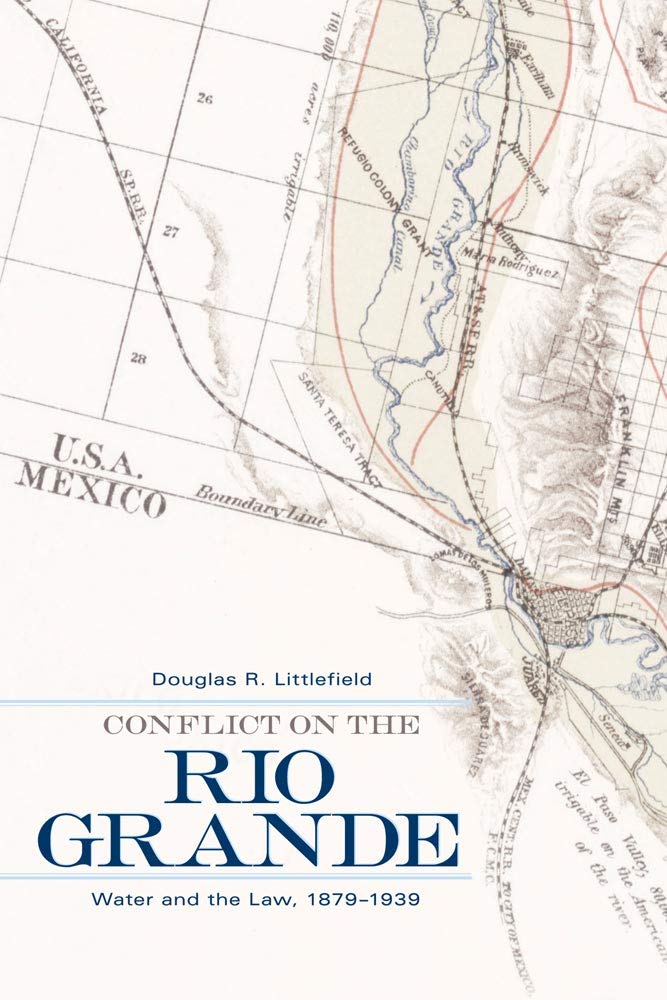
Conflict On The Rio Grande: Water And The Law, 18791939,Used
Sold by Ergodebooks, an authorized reseller.
Returns accepted within 30 days | support@ergodebooks.com
Shipping Information
- Free Standard Shipping — United States only
- Processing Time: 3–5 business days
- Estimated Delivery: 6–10 business days after dispatch
- Double-boxed, fully insured & discreetly packaged
- Tracking number sent via email once dispatched
Returns & Refund
Returns accepted within 30 days of delivery.
Damaged or Defective Item
Free return shipping + replacement or full refund
Wrong Item Received
Free return shipping + replacement or full refund
Change of Mind
Return shipping at customer's expense · 25% restocking fee applies
Payment Option

The history of the Rio Grande since the late nineteenth century reflects the evolution of waterresource management in the West. It was here that the earliest interstate and international waterallocation problems pitted irrigators in southern New Mexico against farmers downstream in El Paso and Juarez, with the voluntary resolution of that conflict setting important precedents for national and international water law.In this first scholarly treatment of the politics of water law along the Rio Grande, Douglas R. Littlefield describes those early interstate and international water apportionment conflicts and explains how they relate to the development of western water law and policy and to international relations with Mexico. Littlefield embraces environmental, legal, and social history to offer clear analyses of appropriation and riparian water rights doctrines, along with lucid accounts of court cases and laws. Examining events that led up to the 1904 settlement among U.S. and Mexican communities and the formation of the Rio Grande Compact in 1938, Littlefield describes how communities grappled over water issues as much with one another as with governmental authorities.Conflict on the Rio Grande reveals the transformation of nineteenth and early twentiethcentury law, traces changing attitudes about the role of government, and examines the ways these changes affected the use and eventual protection of natural resources. Rio Grande water policy, Littlefield shows, represents federalism at workand shows the West, in one locale at least, coming to grips with its unique problems through negotiation and compromise.
⚠️ WARNING (California Proposition 65):
This product may contain chemicals known to the State of California to cause cancer, birth defects, or other reproductive harm.
For more information, please visit www.P65Warnings.ca.gov.