
Title
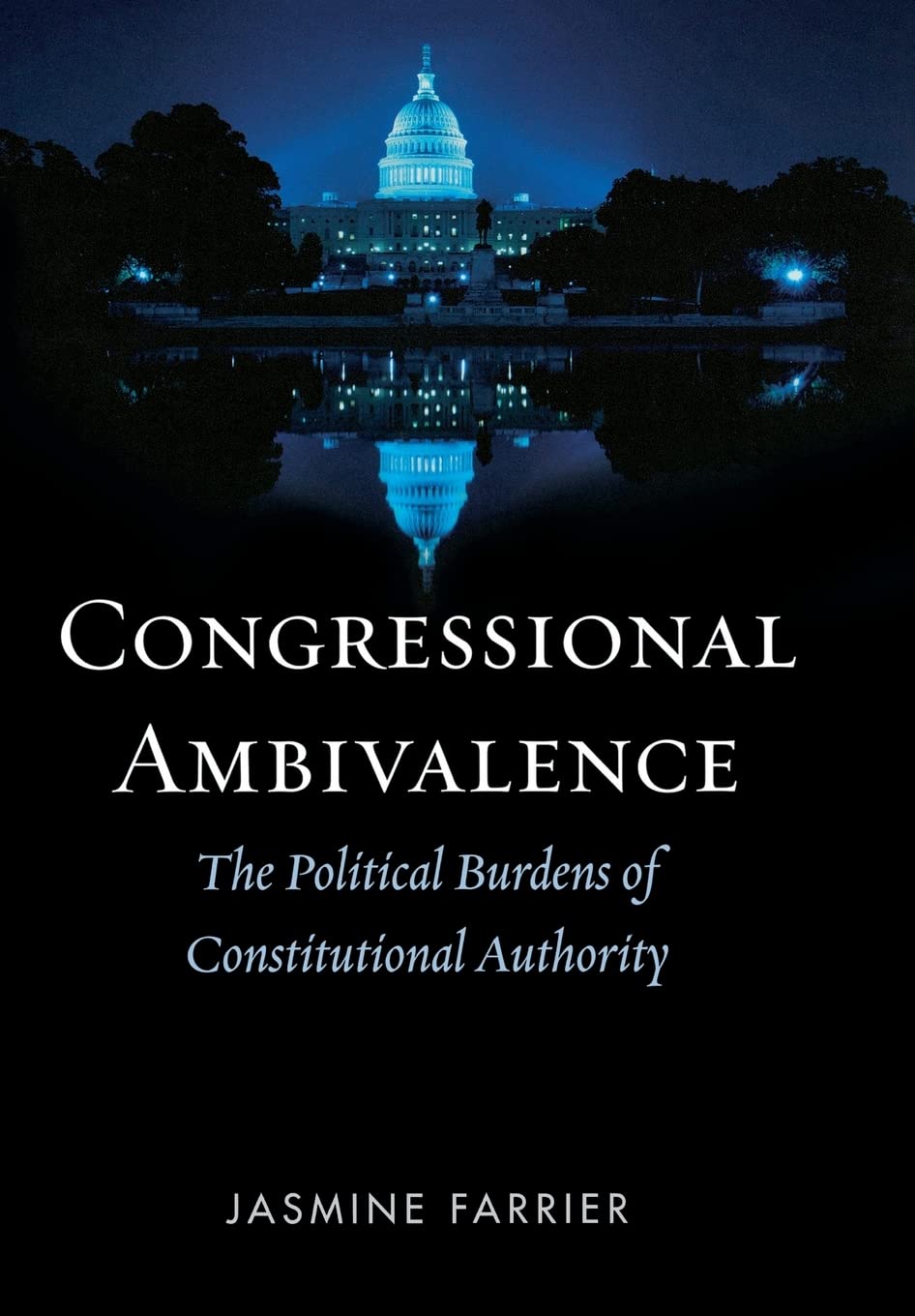
Congressional Ambivalence: The Political Burdens Of Constitutional Authority,Used
Sold by Ergodebooks, an authorized reseller.
Returns accepted within 30 days | support@ergodebooks.com
Shipping Information
- Free Standard Shipping — United States only
- Processing Time: 3–5 business days
- Estimated Delivery: 6–10 business days after dispatch
- Double-boxed, fully insured & discreetly packaged
- Tracking number sent via email once dispatched
Returns & Refund
Returns accepted within 30 days of delivery.
Damaged or Defective Item
Free return shipping + replacement or full refund
Wrong Item Received
Free return shipping + replacement or full refund
Change of Mind
Return shipping at customer's expense · 25% restocking fee applies
Payment Option

Is the United States Congress dead, alive, or trapped in a moribund cycle? When confronted with controversial policy issues, members of Congress struggle to satisfy conflicting legislative, representative, and oversight duties. These competing goals, along with the pressure to satisfy local constituents, cause members of Congress to routinely cede power on a variety of policies, express regret over their loss of control, and later return to the habit of delegating their power. This pattern of institutional ambivalence undermines conventional wisdom about congressional party resurgence, the power of oversight, and the return of the socalled imperial presidency.In Congressional Ambivalence, Jasmine Farrier examines Congress's frequent delegation of power by analyzing primary source materials such as bills, committee reports, and the Congressional Record. Farrier demonstrates that Congress is caught between abdication and ambition and that this ambivalence affects numerous facets of the legislative process.Explaining specific instances of postdelegation disorder, including Congress's use of new bills, obstruction, public criticism, and oversight to salvage its lost power, Farrier exposes the tensions surrounding Congress's roles in recent hotbutton issues such as baseclosing commissions, presidential trade promotion authority, and responses to the attacks of September 11. She also examines shifting public rhetoric used by members of Congress as they emphasize, in institutionally selfconscious terms, the difficulties of balancing their multiple roles. With a deep understanding of the inner workings of the federal government, Farrier illuminates a developing trend in the practice of democracy.
⚠️ WARNING (California Proposition 65):
This product may contain chemicals known to the State of California to cause cancer, birth defects, or other reproductive harm.
For more information, please visit www.P65Warnings.ca.gov.