
Title
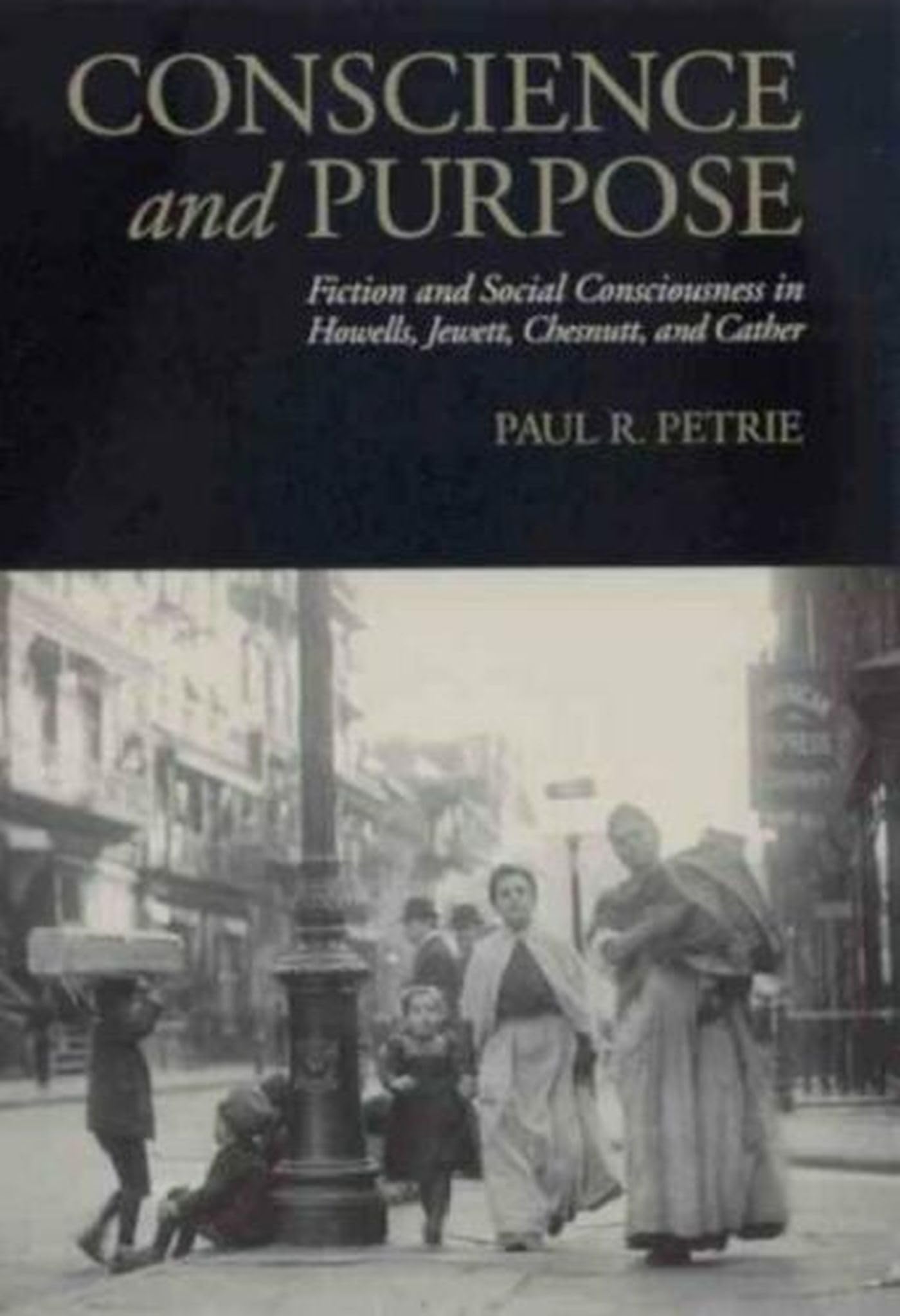
Conscience And Purpose: Fiction And Social Consciousness In Howells, Jewett, Chesnutt, And Cather (Studies In American Literary ,Used
Sold by Ergodebooks, an authorized reseller.
Returns accepted within 30 days | support@ergodebooks.com
Shipping Information
- Free Standard Shipping — United States only
- Processing Time: 3–5 business days
- Estimated Delivery: 6–10 business days after dispatch
- Double-boxed, fully insured & discreetly packaged
- Tracking number sent via email once dispatched
Returns & Refund
Returns accepted within 30 days of delivery.
Damaged or Defective Item
Free return shipping + replacement or full refund
Wrong Item Received
Free return shipping + replacement or full refund
Change of Mind
Return shipping at customer's expense · 25% restocking fee applies
Payment Option

Explores literature's social mission at the turn of the century as defined by William Dean Howells and practiced by him and others.In a series of influential essays that appeared in Harpers, W. D. Howells argued for literature as a vehicle for social change. Literature could and should, Howells suggested, mediate across divisions of class and region, fostering crosscultural sympathies that would lead to comprehensive social and ethical reform.Paul R. Petrie explores the legacy of Howellss beliefs as they manifest themselves in Howells fiction and in the works of three major American writersCharles W. Chesnutt, Sarah Orne Jewett, and Willa Cather. Each author struggled to adapt Howellss socialethical agenda for literature to his or her own aesthetic goals and to alternative conceptions of literary purpose. Jewett not only embraced Howellss sense of social mission but also extended it by documenting commonplace cultural realities in a language and vision that was spiritual and transcendent. Chesnutt sought to improve relations between Anglo readers and African Americans, but his work, such as The Conjure Woman, also questions literatures ability to repair those divides.Finally, Petrie shows how Cather, as she shifted from journalism to fiction, freed herself from Howellss influence. Alexanders Bridge (1912) and O Pioneers! (1913) both make reference to social and material realities but only as groundwork for character portrayals that are mythic and heroic. The result of Petries exploration is a refreshing reassessment of Howellss legacy and its impact on American literature and social history at the turn of the century.
⚠️ WARNING (California Proposition 65):
This product may contain chemicals known to the State of California to cause cancer, birth defects, or other reproductive harm.
For more information, please visit www.P65Warnings.ca.gov.