If you have any questions, you are always welcome to contact us. We'll get back to you as soon as possible, withing 24 hours on weekdays.
Customer service
All questions about your order, return and delivery must be sent to our customer service team by e-mail at yourstore@yourdomain.com
Sale & Press
If you are interested in selling our products, need more information about our brand or wish to make a collaboration, please contact us at press@yourdomain.com
Help
If you have any questions, you are always welcome to contact us. We'll get back to you as soon as possible, withing 24 hours on weekdays.
Customer service
All questions about your order, return and delivery must be sent to our customer service team by e-mail at yourstore@yourdomain.com
Sale & Press
If you are interested in selling our products, need more information about our brand or wish to make a collaboration, please contact us at press@yourdomain.com
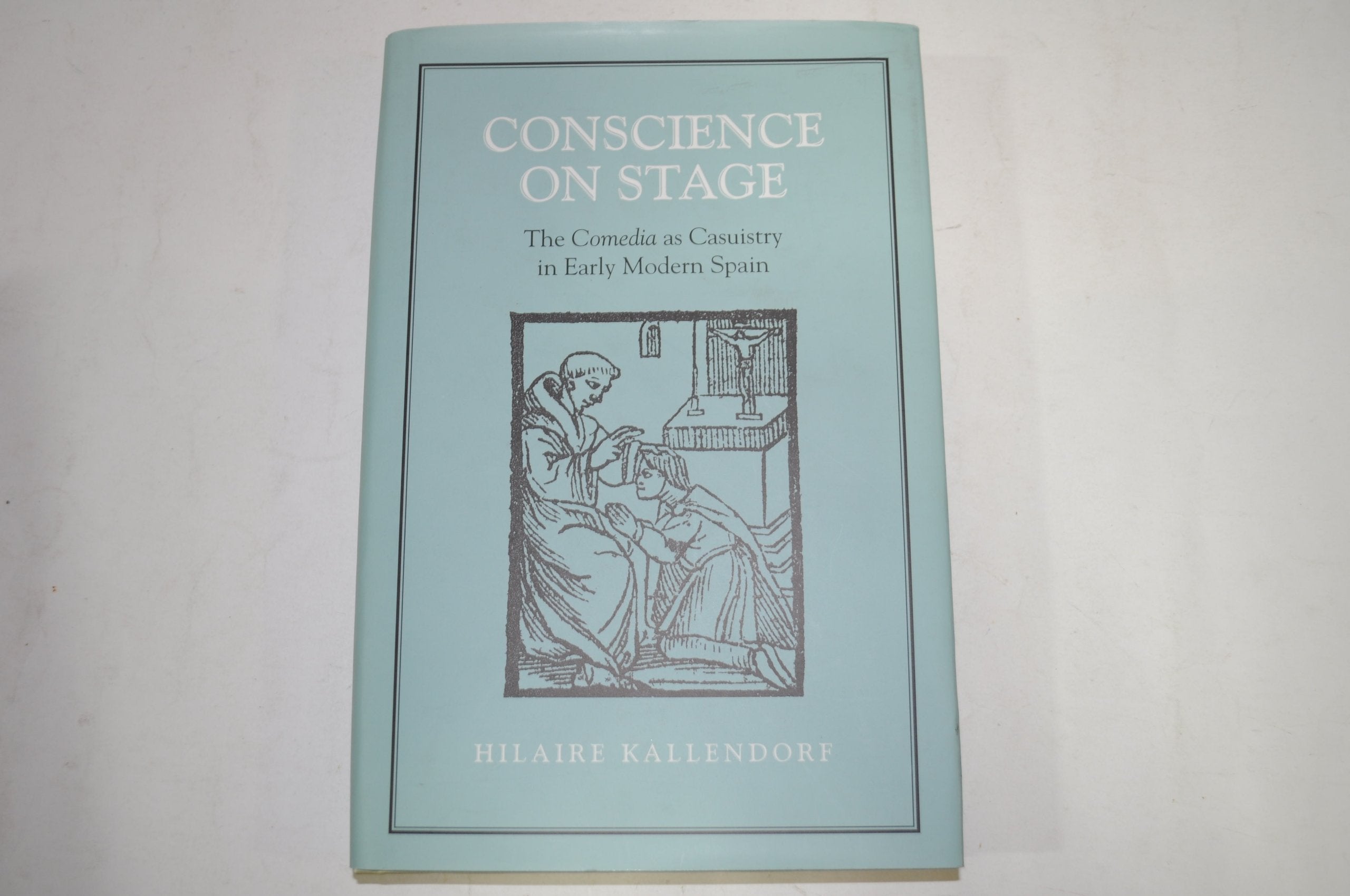
It is no accident that some variation of the question 'What should I do?' appears in over threequarters of the comedic plays of the Spanish Golden Age. Casuistical dialogue was a concern, even an obsession, of Spanish playwrights during the seventeenth century, many of whom were educated by Jesuit casuists. Conscience on Stage is a study of casuistry or case morality as the foundation for a poetics of seventeenthcentury Spanish comedias.Hilaire Kallendorf examines the Jesuit upbringing and casuistical education of major playwrights of the Spanish Golden Age, many of whom were also priests, and introduces the vocabulary of casuistry, as expressed in both confessors' manuals and in stage plays. Engaging issues of class, gender, and age to explore scenes of advicegiving and receiving, she demonstrates how the culturespecific construct of 'conscience' in early modern Spain can be recovered by means of a Foucauldian genealogy, which enlists the skills of philology at the service of a larger vision of the history of ideas. This study outlines and reiterates the relationship of theatre to casuistry, the Jesuit contributions to Spanish literary theory and practice, and the importance of casuistry for the study of early modern subjectivity.
⚠️ WARNING (California Proposition 65):
This product may contain chemicals known to the State of California to cause cancer,
birth defects, or other reproductive harm.
For MAP (Minimum Advertised Price) violations and Intellectual Property (IP) or Trademark concerns, please contact:
support@ergodebooks.com
⚠️ California Proposition 65 Warning: Some products sold on this website may expose you to chemicals known to the State of California to cause cancer, birth defects, or other reproductive harm. For more information, visit www.P65Warnings.ca.gov.