
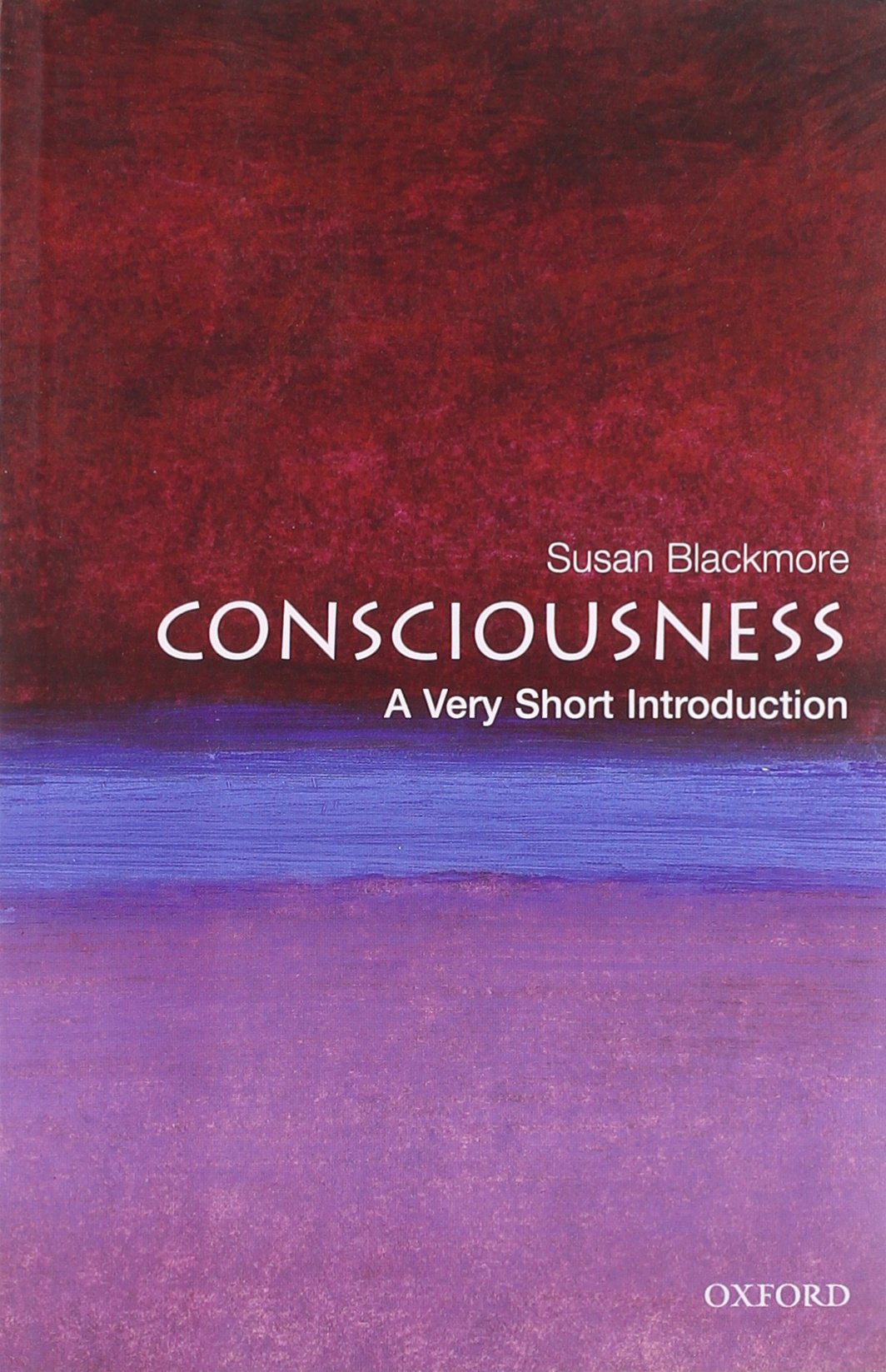
Title
Consciousness: A Very Short Introduction,Used
Sold by Ergodebooks, an authorized reseller.
Returns accepted within 30 days | support@ergodebooks.com
Shipping Information
- Free Standard Shipping — United States only
- Processing Time: 3–5 business days
- Estimated Delivery: 6–10 business days after dispatch
- Double-boxed, fully insured & discreetly packaged
- Tracking number sent via email once dispatched
Returns & Refund
Returns accepted within 30 days of delivery.
Damaged or Defective Item
Free return shipping + replacement or full refund
Wrong Item Received
Free return shipping + replacement or full refund
Change of Mind
Return shipping at customer's expense · 25% restocking fee applies
Payment Option

The Last Great Mystery For Science,' Consciousness Has Become A Controversial Topic. Consciousness: A Very Short Introduction Challenges Readers To Reconsider Key Concepts Such As Personality, Free Will, And The Soul. How Can A Physical Brain Create Our Experience Of The World? What Creates Our Identity? Do We Really Have Free Will? Could Consciousness Itself Be An Illusion? Exciting New Developments In Brain Science Are Opening Up These Debates, And The Field Has Now Expanded To Include Biologists, Neuroscientists, Psychologists, And Philosophers. This Book Clarifies The Potentially Confusing Arguments And Clearly Describes The Major Theories, With Illustrations And Lively Cartoons To Help Explain The Experiments. Topics Include Vision And Attention, Theories Of Self, Experiments On Action And Awareness, Altered States Of Consciousness, And The Effects Of Brain Damage And Drugs. This Lively, Engaging, And Authoritative Book Provides A Clear Overview Of The Subject That Combines The Perspectives Of Philosophy, Psychology, And Neuroscienceand Serves As A Muchneeded Launch Pad For Further Exploration Of This Complicated And Unsolved Issue.About The Series: Combining Authority With Wit, Accessibility, And Style, Very Short Introductions Offer An Introduction To Some Of Life'S Most Interesting Topics. Written By Experts For The Newcomer, They Demonstrate The Finest Contemporary Thinking About The Central Problems And Issues In Hundreds Of Key Topics, From Philosophy To Freud, Quantum Theory To Islam.
⚠️ WARNING (California Proposition 65):
This product may contain chemicals known to the State of California to cause cancer, birth defects, or other reproductive harm.
For more information, please visit www.P65Warnings.ca.gov.
- Q: How many pages does the book have? A: The book has one hundred sixty pages. This concise length makes it an accessible read for those new to the topic.
- Q: What is the binding type of this book? A: This book is available in paperback binding. This makes it lightweight and portable for easy reading.
- Q: What are the dimensions of the book? A: The book measures six point eighty-one inches in length, four point forty-one inches in height, and zero point thirty-one inches in width. These dimensions make it easy to fit in a bag or on a shelf.
- Q: Who is the author of this book? A: The author is Susan Blackmore. She is a well-known figure in the study of consciousness and psychology.
- Q: What topics does the book cover? A: The book covers topics like consciousness, free will, personality, and the brain. It also discusses theories of self and altered states of consciousness.
- Q: Is this book suitable for beginners? A: Yes, this book is suitable for beginners. It is designed as an introduction to complex topics in consciousness and psychology.
- Q: What age group is this book appropriate for? A: This book is appropriate for adults and older teens. It's ideal for anyone interested in psychology and philosophy.
- Q: How do I read this book effectively? A: To read this book effectively, take your time with each chapter. Consider taking notes on key concepts to deepen your understanding.
- Q: Are there illustrations in the book? A: Yes, the book contains illustrations and lively cartoons. These visuals help clarify complex theories and experiments.
- Q: What is the best way to store this book? A: Store this book in a cool, dry place. Keep it upright on a shelf to prevent bending or damage to the pages.
- Q: How do I keep the book in good condition? A: To keep the book in good condition, avoid exposing it to direct sunlight or moisture. Handle it carefully to prevent creasing.
- Q: Is this book safe for young readers? A: Yes, it is generally safe for young readers. However, some themes may be more suitable for older teens and adults.
- Q: What if I find a mistake in the book? A: If you find a mistake, you can contact the publisher for corrections. They appreciate feedback to improve future editions.
- Q: What is the main focus of the book? A: The main focus of the book is to explore the nature of consciousness. It challenges readers to think critically about their understanding of self and reality.
- Q: Can I use this book for academic purposes? A: Yes, this book can be used for academic purposes. It provides a solid foundation for discussions in psychology and philosophy courses.