If you have any questions, you are always welcome to contact us. We'll get back to you as soon as possible, withing 24 hours on weekdays.
Customer service
All questions about your order, return and delivery must be sent to our customer service team by e-mail at yourstore@yourdomain.com
Sale & Press
If you are interested in selling our products, need more information about our brand or wish to make a collaboration, please contact us at press@yourdomain.com
Help
If you have any questions, you are always welcome to contact us. We'll get back to you as soon as possible, withing 24 hours on weekdays.
Customer service
All questions about your order, return and delivery must be sent to our customer service team by e-mail at yourstore@yourdomain.com
Sale & Press
If you are interested in selling our products, need more information about our brand or wish to make a collaboration, please contact us at press@yourdomain.com
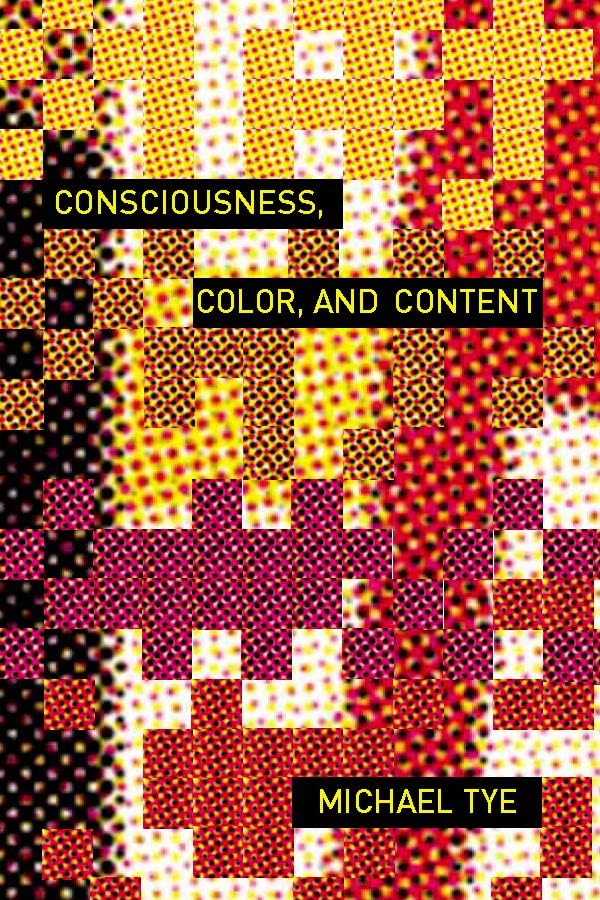
Experiences and feelings are inherently conscious states. There is something it is like to feel pain, to have an itch, to experience bright red. Philosophers call this sort of consciousness 'phenomenal consciousness.' Even though phenomenal consciousness seems to be a relatively primitive matter, something more widespread in nature than higherorder or reflective consciousness, it is deeply puzzling.In 1995 Michael Tye proposed a theory of phenomenal consciousness now known as representationalism. This book is, in part, devoted to a further development of that theory along with replies to common objections. Tye's focus is broader than representationalism, however. Two prominent challenges for any reductive theory of consciousness are the explanatory gap and the knowledge argument. In part I of this book, Tye suggests that these challenges are intimately related. The best strategy for dealing with the explanatory gap, he claims, is to consider it a kind of cognitive illusion. Part II of the book is devoted to representationalism. Part III connects representationalism with two more general issues. The first is the nature of color. Tye defends a commonsense, objectivist view of color and argues that such a view is compatible with modern color science. In the final chapter, Tye addresses the question of where on the phylogenetic scale phenomenal consciousness ceases, arguing that consciousness extends beyond the realm of vertebrates to such relatively simple creatures as the honeybee.
⚠️ WARNING (California Proposition 65):
This product may contain chemicals known to the State of California to cause cancer,
birth defects, or other reproductive harm.
For MAP (Minimum Advertised Price) violations and Intellectual Property (IP) or Trademark concerns, please contact:
support@ergodebooks.com
⚠️ California Proposition 65 Warning: Some products sold on this website may expose you to chemicals known to the State of California to cause cancer, birth defects, or other reproductive harm. For more information, visit www.P65Warnings.ca.gov.