If you have any questions, you are always welcome to contact us. We'll get back to you as soon as possible, withing 24 hours on weekdays.
Customer service
All questions about your order, return and delivery must be sent to our customer service team by e-mail at yourstore@yourdomain.com
Sale & Press
If you are interested in selling our products, need more information about our brand or wish to make a collaboration, please contact us at press@yourdomain.com
Help
If you have any questions, you are always welcome to contact us. We'll get back to you as soon as possible, withing 24 hours on weekdays.
Customer service
All questions about your order, return and delivery must be sent to our customer service team by e-mail at yourstore@yourdomain.com
Sale & Press
If you are interested in selling our products, need more information about our brand or wish to make a collaboration, please contact us at press@yourdomain.com
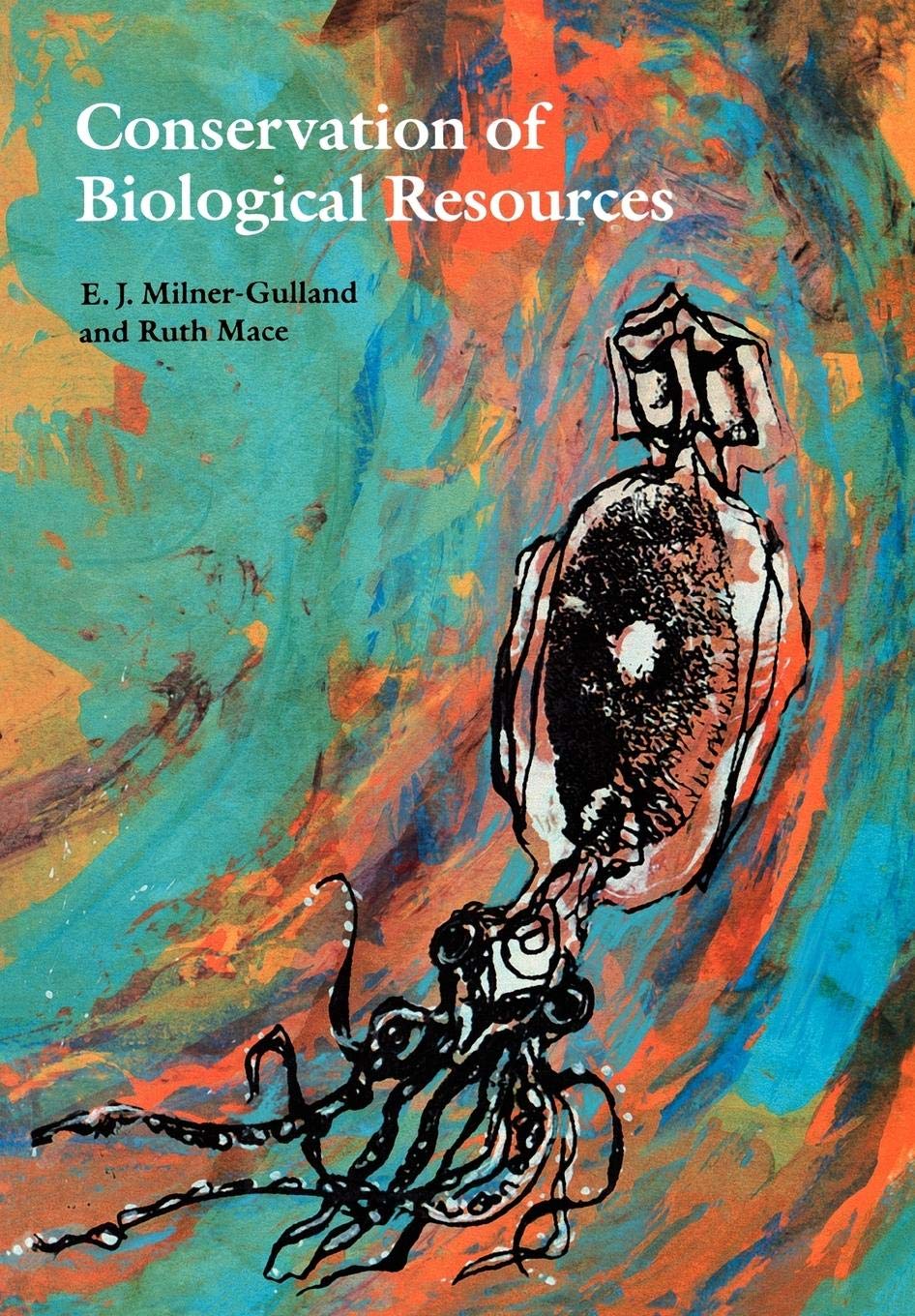
This book presents the issues surrounding the conservation of wild species and ecosystems used by people. It is aimed at final year undergraduate and master's students taking courses in conservation, environmental management, ecological economics and related subjects, as well as conservation professionals, including managers, policymakers and researchers. The structure of the book is ideal for a course in conservation, comprising a theoretical section written by the authors, and a set of ten contributed case studies intentionally diverse in discipline, geographical region and system of study. The theoretical section provides the knowledge that is needed to understand the issues, while the case studies can form the basis of seminars. Readers will emerge with a clear recognition of the difficulties of limiting the harvesting of biological resources to sustainable levels, and of the boundaries of sustainable use as a conservation tool.The authors, an ecologist and an anthropologist, have both worked on the conservation and sustainable use of wildlife for several years, including the ivory and rhino horn trades. The first book to examine the issues underlying the sustainable use debate in a fully interdisciplinary manner. Both the theoretical section and the case studies approach the issues using methods from economics, ecology, anthropology and other fields Designed as a course textbook, combining a theoretical section with invited case studies written by expert practitioners in the field Outlines the new direction that conservation biology (and thus conservation biologists) must take if it is to be successful
⚠️ WARNING (California Proposition 65):
This product may contain chemicals known to the State of California to cause cancer,
birth defects, or other reproductive harm.
For MAP (Minimum Advertised Price) violations and Intellectual Property (IP) or Trademark concerns, please contact:
support@ergodebooks.com
⚠️ California Proposition 65 Warning: Some products sold on this website may expose you to chemicals known to the State of California to cause cancer, birth defects, or other reproductive harm. For more information, visit www.P65Warnings.ca.gov.