
Title
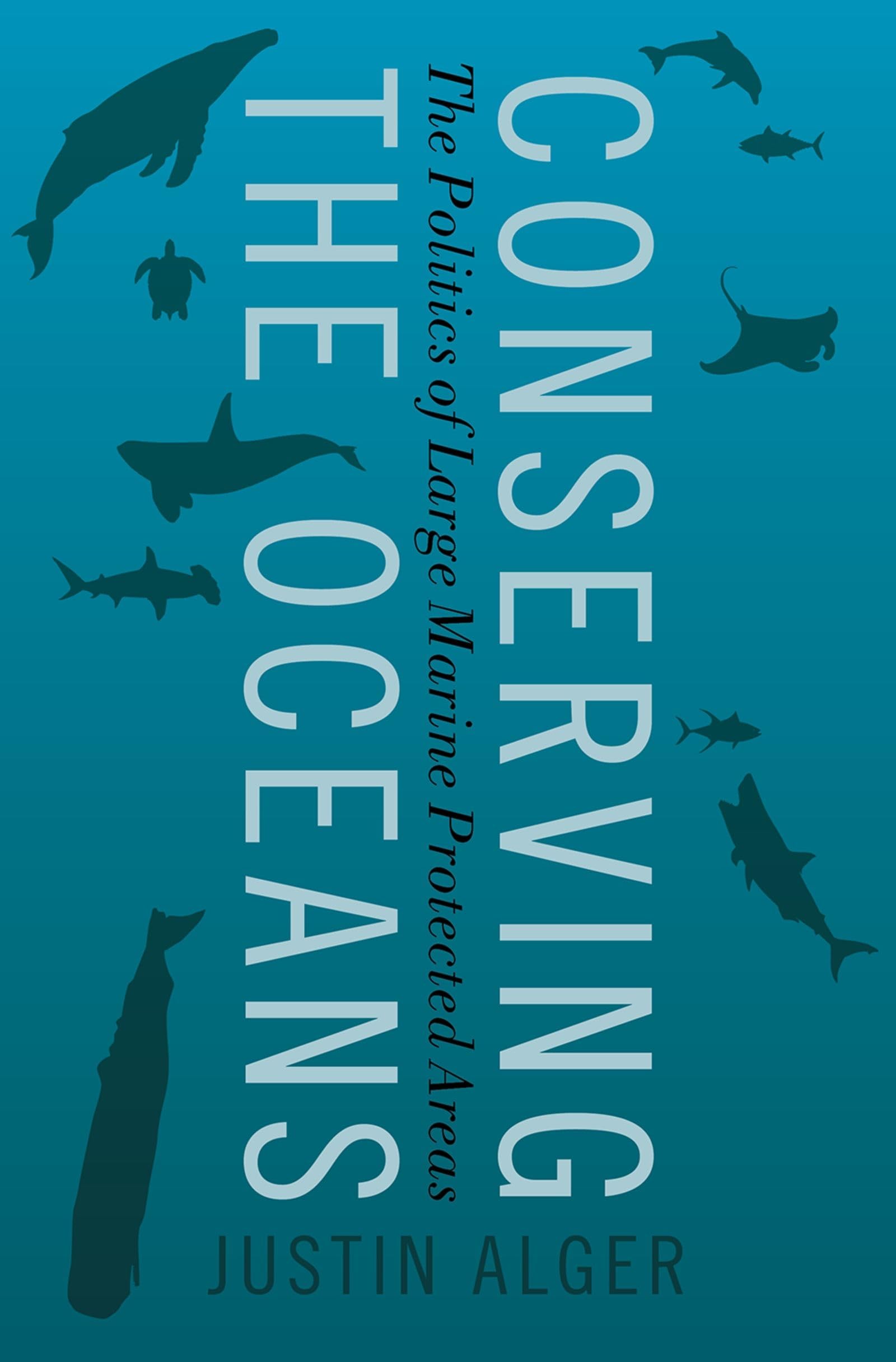
Conserving the Oceans: The Politics of Large Marine Protected Areas,Used
Sold by Ergodebooks, an authorized reseller.
Returns accepted within 30 days | support@ergodebooks.com
Shipping Information
- Free Standard Shipping — United States only
- Processing Time: 3–5 business days
- Estimated Delivery: 6–10 business days after dispatch
- Double-boxed, fully insured & discreetly packaged
- Tracking number sent via email once dispatched
Returns & Refund
Returns accepted within 30 days of delivery.
Damaged or Defective Item
Free return shipping + replacement or full refund
Wrong Item Received
Free return shipping + replacement or full refund
Change of Mind
Return shipping at customer's expense · 25% restocking fee applies
Payment Option

Large marine protected areas (MPAs) have emerged since the mid2000s as a popular state response to the overfishing, land runoff, and climate change causing the decline of the world's oceans. As of 2020, there were more than 14,000 MPAs in the world, most of them small, poorly managed, and often amounting to little more than "paper parks" that contribute little to ocean conservation or resource management. However, that is beginning to change. In recent years, governments, including the United States and United Kingdom, have turned their attention to protecting large swaths of ocean through MPAs hundreds of thousands of square kilometers in size.In this book, Justin Alger documents the efforts of activists and states to increase the pace and scale of global ocean protections, leading to a paradigm shift in how states conserve marine biodiversity. Through an analysis of domestic political economies, and based on three original MPA case studies located in the United States, Australia, and Palau, this book explains how states have protected millions of square kilometers of ocean space while remaining highly responsive to the interests of businesses. From the commercial fishing to ecotourism sectors, business heavily influences conservation policy, occasionally leading to robust protections but more often than not to businessasusual activity on the water.Conserving the Oceans examines the reach and the limits of business influence, examining how the domestic political economy of a given ocean space can reshape a global norm to better suit local economic realities. While recognizing important global progress and growing ambition to conserve ocean ecosystems, Alger provides a critical analysis of the processes by which global environmental norms become domestic policy. Ultimately, the book questions if we are still doing too little to prevent the worst impacts of the global environmental crisis despite the paradigm shift in global ocean conservation.
⚠️ WARNING (California Proposition 65):
This product may contain chemicals known to the State of California to cause cancer, birth defects, or other reproductive harm.
For more information, please visit www.P65Warnings.ca.gov.