
Title
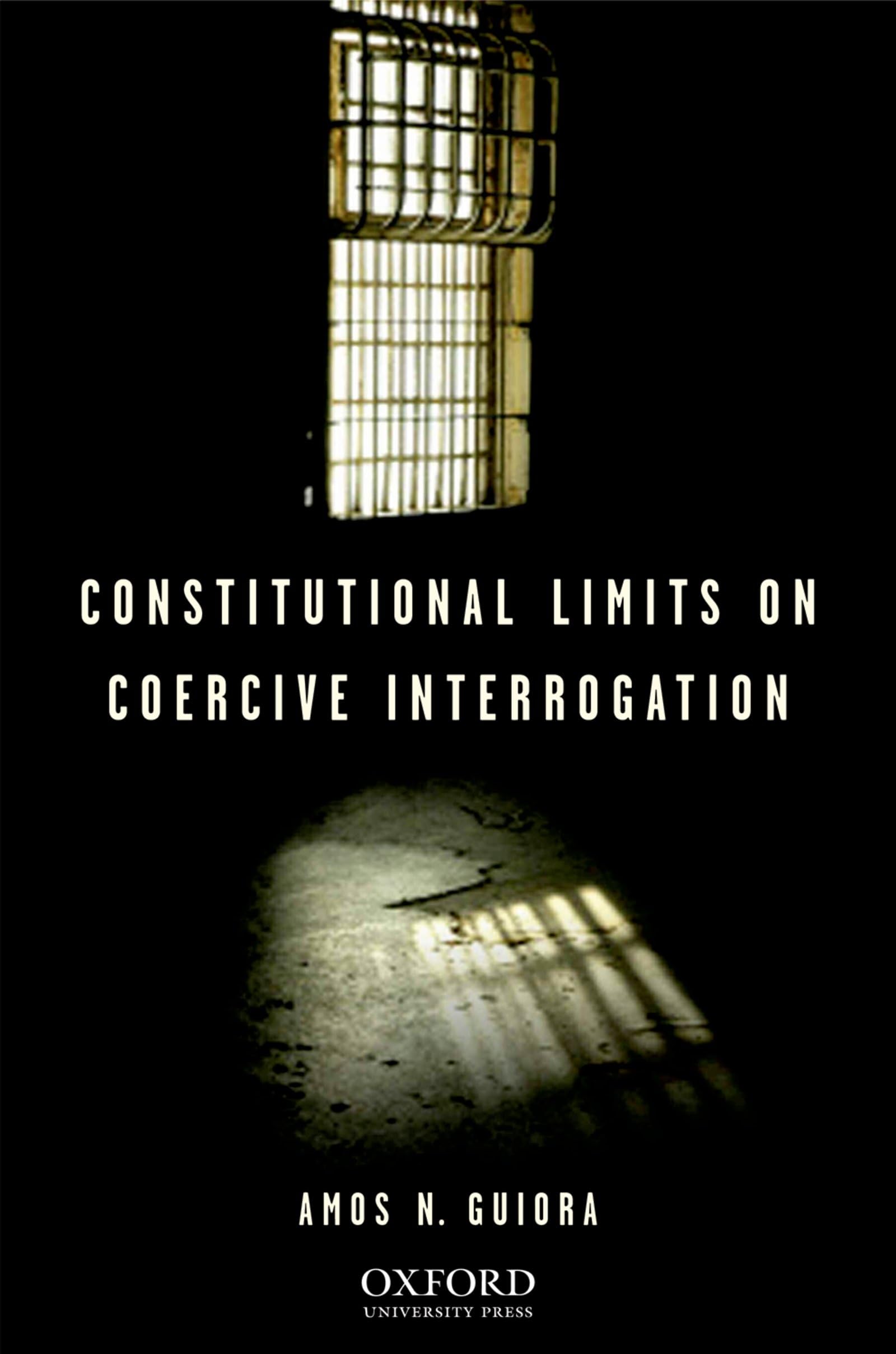
Constitutional Limits on Coercive Interrogation (Terrorism Second Series),Used
Sold by Ergodebooks, an authorized reseller.
Returns accepted within 30 days | support@ergodebooks.com
Shipping Information
- Free Standard Shipping — United States only
- Processing Time: 3–5 business days
- Estimated Delivery: 6–10 business days after dispatch
- Double-boxed, fully insured & discreetly packaged
- Tracking number sent via email once dispatched
Returns & Refund
Returns accepted within 30 days of delivery.
Damaged or Defective Item
Free return shipping + replacement or full refund
Wrong Item Received
Free return shipping + replacement or full refund
Change of Mind
Return shipping at customer's expense · 25% restocking fee applies
Payment Option

On September 11, 2001 terrorism instantly became the defining issue of our age. The resulting debates surrounding the inherent tension between national security interests and individual civil rights has focused national and international attention on how post9/11 detainees at Guantanamo Bay, Abu Ghraib, and around the world have been interrogated. All concerned agree that, while interrogation practices represent a crucial meeting ground between human rights and counterterrorism measures, the limits placed on interrogators are perhaps the most difficult to define for they determine how "far" a civil society is willing to go in fighting the exigencies that terror presents.In The Constitutional Limits of Coercive Investigation, Amos Guiora offers a theoretical analysis and a practical application of coercive interrogation, and in doing so, suggests developing and implementing a hybrid paradigm based on American criminal law, the Geneva Convention, and the Israeli model of trial as the most relevant judicial regime.Guiora offers a unique contribution to the public debate by creatively utilizing a historical analysis of the system of "justice" for AfricanAmericans in the Deep South of the past century to serve as a guide for the constitutional rights and protections which need to be granted or extended to an unprotected class. He then indicates which interrogation methods are within the boundaries of the law by both recommending protection of the detainees and providing interrogators with the tools required to protect America's vital interests.
⚠️ WARNING (California Proposition 65):
This product may contain chemicals known to the State of California to cause cancer, birth defects, or other reproductive harm.
For more information, please visit www.P65Warnings.ca.gov.