
Title
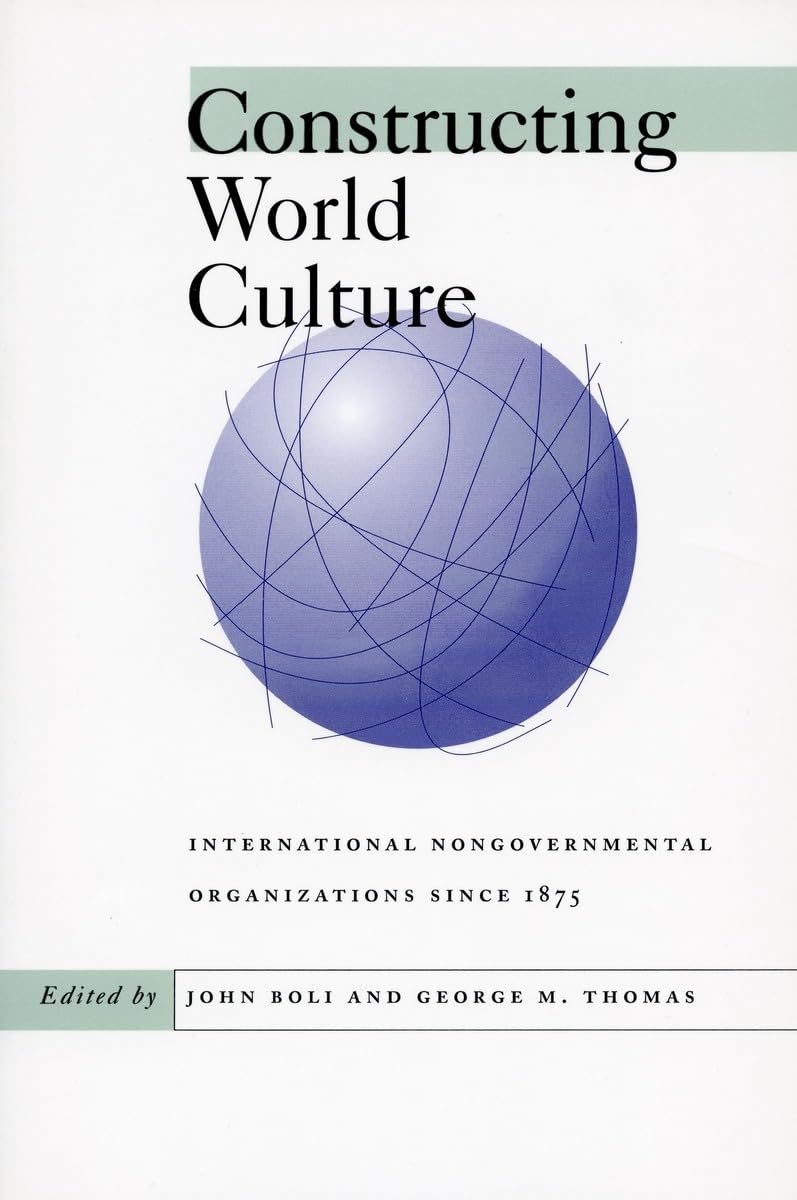
Constructing World Culture: International Nongovernmental Organizations Since 1875,New
Sold by Ergodebooks, an authorized reseller.
Returns accepted within 30 days | support@ergodebooks.com
Shipping Information
- Free Standard Shipping — United States only
- Processing Time: 3–5 business days
- Estimated Delivery: 6–10 business days after dispatch
- Double-boxed, fully insured & discreetly packaged
- Tracking number sent via email once dispatched
Returns & Refund
Returns accepted within 30 days of delivery.
Damaged or Defective Item
Free return shipping + replacement or full refund
Wrong Item Received
Free return shipping + replacement or full refund
Change of Mind
Return shipping at customer's expense · 25% restocking fee applies
Payment Option

This book illuminates the central role played by international nongovernmental organizations (INGOs) in the emergence and development of a comprehensive world polity. The contributors argue that the enormous proliferation of INGOs since 1875including international environmental organizations, human rights groups, bodies formed to regulate technical standards, and economic development organizations, among othersboth reflects and contributes to the spread of global institutions and cultural principles based on models of rationality, individualism, progress, and universalism. The contributors contrast this worldpolity perspective to other approaches to understanding globalization, including realist and neorealist analyses in the field of international relations, and worldsystem theory and interstate competition theory in sociology.The volume considers transnational organizing as a historical process of the creation of global rules and norms, changing over time, that have identifiable effects on social organization at the national and local levels. The chapters provide empirical support for this approach, identifying specific mechanisms that translate global cultural assumptions and prescriptions into local social activity, such as the creation of state agencies, the formulation of government policies, and the emergence of social movements. The first part of the book deals with social movement INGOs, including environmental groups, womens rights organizations, the Esperanto movement, and the International Red Cross. The second part treats technical and economic bodies, including the International Organization for Standardization, population policy groups, development organizations, and international professional science associations.
⚠️ WARNING (California Proposition 65):
This product may contain chemicals known to the State of California to cause cancer, birth defects, or other reproductive harm.
For more information, please visit www.P65Warnings.ca.gov.