If you have any questions, you are always welcome to contact us. We'll get back to you as soon as possible, withing 24 hours on weekdays.
Customer service
All questions about your order, return and delivery must be sent to our customer service team by e-mail at yourstore@yourdomain.com
Sale & Press
If you are interested in selling our products, need more information about our brand or wish to make a collaboration, please contact us at press@yourdomain.com
Help
If you have any questions, you are always welcome to contact us. We'll get back to you as soon as possible, withing 24 hours on weekdays.
Customer service
All questions about your order, return and delivery must be sent to our customer service team by e-mail at yourstore@yourdomain.com
Sale & Press
If you are interested in selling our products, need more information about our brand or wish to make a collaboration, please contact us at press@yourdomain.com
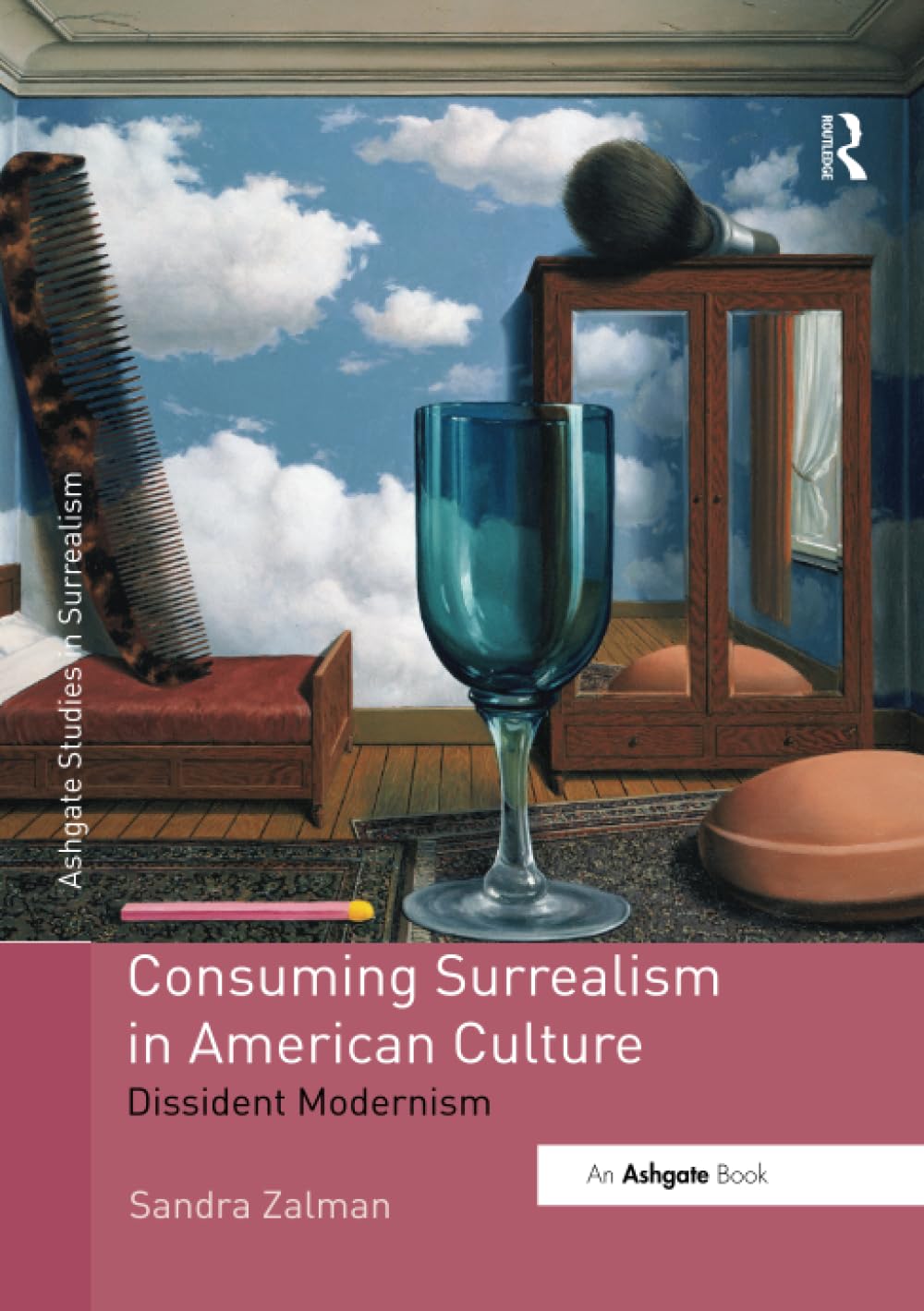
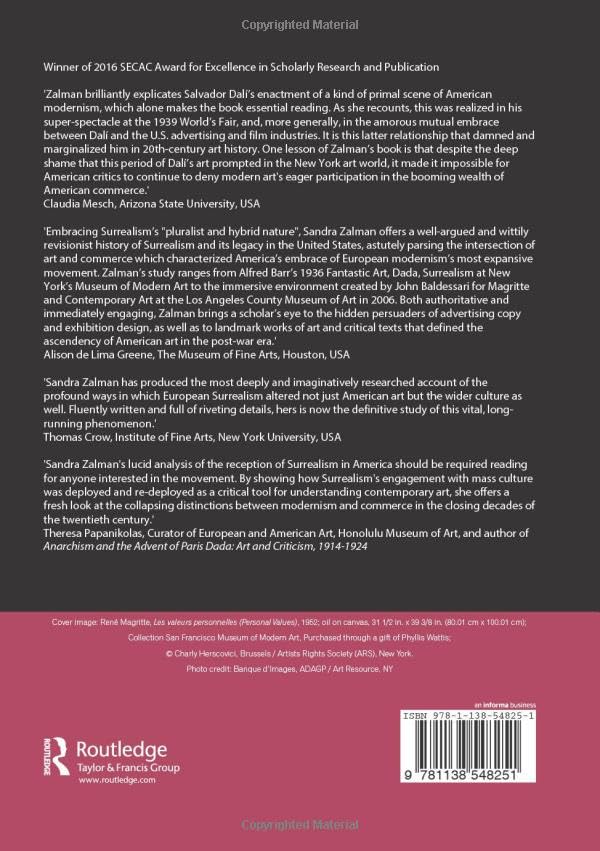
Consuming Surrealism in American Culture: Dissident Modernism argues that Surrealism worked as a powerful agitator to disrupt dominant ideas of modern art in the United States. Unlike standard accounts that focus on Surrealism in the U.S. during the 1940s as a point of departure for the ascendance of the New York School, this study contends that Surrealism has been integral to the development of American visual culture over the course of the twentieth century. Through analysis of Surrealism in both the museum and the marketplace, Sandra Zalman tackles Surrealisms multifaceted circulation as both elite and popular. Zalman shows how the American encounter with Surrealism was shaped by Alfred Barr, William Rubin and Rosalind Krauss as these influential curators mobilized Surrealism to compose, to concretize, or to unseat narratives of modern art in the 1930s, 1960s and 1980s alongside Surrealisms intersection with advertising, Magic Realism, Pop, and the rise of contemporary photography. As a popular avantgarde, Surrealism openly resisted art historical classification, forcing the supposedly distinct spheres of modernism and mass culture into conversation and challenging theories of modern art in which it did not fit, in large part because of its continued relevance to contemporary American culture.
⚠️ WARNING (California Proposition 65):
This product may contain chemicals known to the State of California to cause cancer,
birth defects, or other reproductive harm.
For MAP (Minimum Advertised Price) violations and Intellectual Property (IP) or Trademark concerns, please contact:
support@ergodebooks.com
⚠️ California Proposition 65 Warning: Some products sold on this website may expose you to chemicals known to the State of California to cause cancer, birth defects, or other reproductive harm. For more information, visit www.P65Warnings.ca.gov.