
Title
Contemporary Public Sculpture: Tradition, Transformation, and Controversy,Used
Sold by Ergodebooks, an authorized reseller.
Returns accepted within 30 days | support@ergodebooks.com
Shipping Information
- Free Standard Shipping — United States only
- Processing Time: 3–5 business days
- Estimated Delivery: 6–10 business days after dispatch
- Double-boxed, fully insured & discreetly packaged
- Tracking number sent via email once dispatched
Returns & Refund
Returns accepted within 30 days of delivery.
Damaged or Defective Item
Free return shipping + replacement or full refund
Wrong Item Received
Free return shipping + replacement or full refund
Change of Mind
Return shipping at customer's expense · 25% restocking fee applies
Payment Option

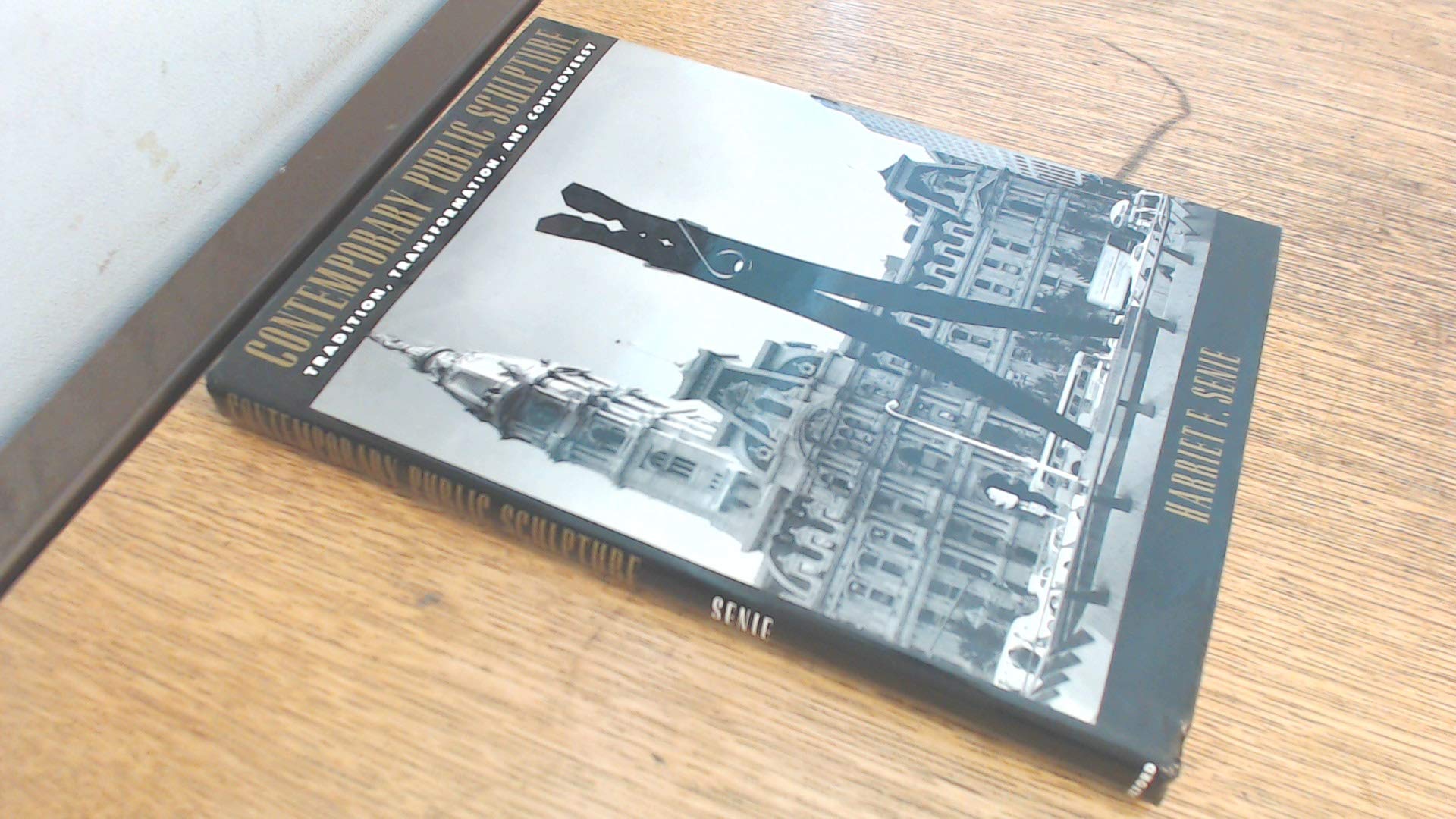
In the twentieth century, public sculpture has changed almost beyond recognition. Works inspired by classical and renaissance traditionsimposing equestrian monuments and triumphal archeshave been replaced by works such as Claes Oldenburg's Clothespin and Christo's Running Fence. This break from tradition has led to radically different approaches to public sculpturebut not without bitter controversy in the art community and the general public.Contemporary Public Sculpture offers the first comprehensive look at the development of contemporary public sculpture. Beginning with the revival of public sculpture in the 1960s, with the work of Picasso, Calder, Moore, Nevelson, and others, Senie traces the various developments that defined a new civic art which substituted the artist's fame for public content and sparked debates about cost, the role of government, and the place of public art in a democratic society. She shows how the growing irrelevance of traditional memorials resulted in new approach to the genre defined by Maya Lin's Vietnam Veteran's Memorial, which set out to "heal a nation" rather than glorify a military event by honoring victims rather than heroes; and how dissatisfaction with modern "glass box" architecture and its surrounding barren urban spaces led architectural firms like like Skidmore, Owings, & Merrill to use art to enliven both. Senie discusses how the earthworks of Robert Smithson and others inspired public sculpture that brought various landscape elements into urban sites; and she explores works by George Sugarman and Scott Burton that combine sculpture and furniture, changing the very idea of public art by creating a stage for public life. Finally, she examines the controversies that arise when citizens (including press and politicians) confront publicly funded worksuch as Joel Shapiro's socalled "Headless Gumby" or Serra's Tilted Arcthat defies their sense of what public sculpture should be.Illustrated with over a hundred halftones, this overview of contemporary public sculpture provides a clear understanding of why it is there, why it looks the way it does, and what is really at stake in the continuing public art controversy.
⚠️ WARNING (California Proposition 65):
This product may contain chemicals known to the State of California to cause cancer, birth defects, or other reproductive harm.
For more information, please visit www.P65Warnings.ca.gov.